
Hanoi Travel Blog - Hanoi Introduction & Information
Cat Cat Village Sapa Vietnam – Best 10+ Things To Do & Ultimate Travel Guide
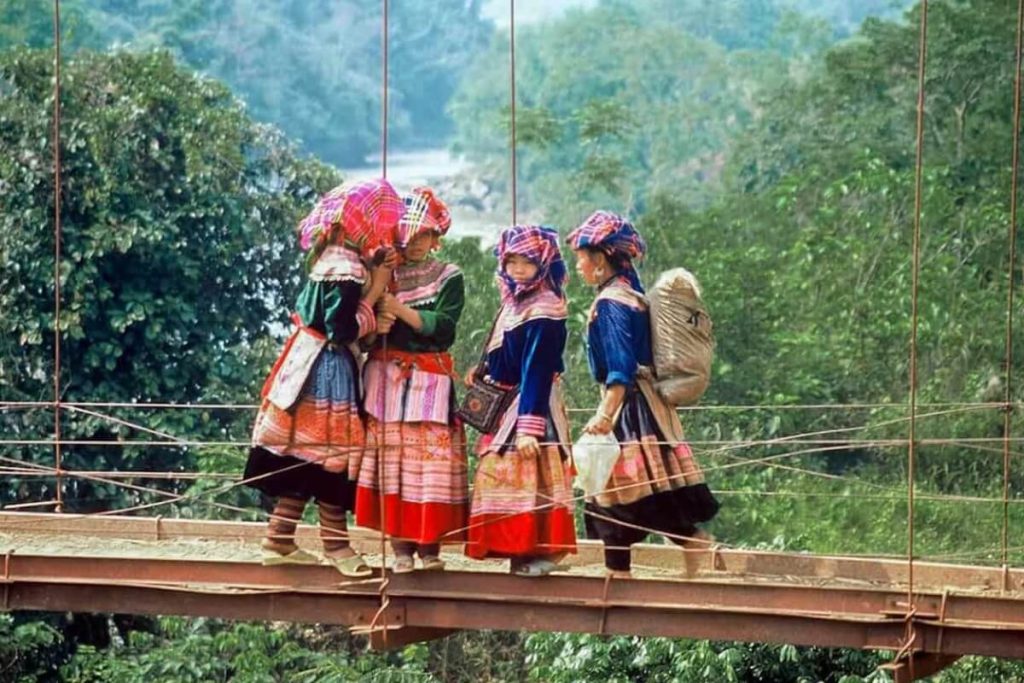
20
Dec
Dec
Let’s together with Hanoi Local Tour discover Cat Cat Village Vietnam, with this in-depth travel guide. Learn about Cat Cat Village Sapa Vietnam’s culture, history, best time to visit, activities, and practical tips for luxury and mid-range travelers seeking authentic experiences in Northern Vietnam.
Cat Cat Village – A Timeless Cultural Gem in Northern Vietnam Tours
Located at the foot of the Hoang Lien Son mountain range, Cat Cat Village is one of the most visited ethnic villages in Northern Vietnam and a highlight of any journey to Sapa. Known internationally as Cat Cat Village Sapa Vietnam, this traditional Hmong settlement offers travelers a rare opportunity to experience indigenous culture, mountain scenery, and centuries-old craftsmanship in one compact yet immersive destination.
Unlike remote villages that require days of trekking, Cat Cat Village Vietnam is easily accessible, making it ideal for international visitors who value comfort, cultural depth, and well-curated travel experiences. As a leading cat cat tourism village, it strikes a balance between authenticity and visitor-friendly infrastructure, making it suitable for travelers
Where Is Cat Cat Village Located?
Cat Cat Village is situated approximately 2 kilometers southwest of Sapa town center, nestled in a lush valley overlooking rice terraces and cascading waterfalls. The village’s location allows visitors to enjoy sweeping mountain views while remaining close to high-quality hotels, restaurants, and transport services.

Thanks to its proximity, Cat Cat Village Sapa Vietnam is often the first cultural stop for travelers exploring Northwest Vietnam, especially those arriving from Hanoi via overnight train or luxury limousine.
What Makes Cat Cat Village Sapa Vietnam Special?
What distinguishes Cat Cat Village from other ethnic villages in Vietnam is its accessibility combined with strong cultural preservation. While tourism has modernized parts of the village, traditional wooden houses, stone paths, and communal spaces remain intact.
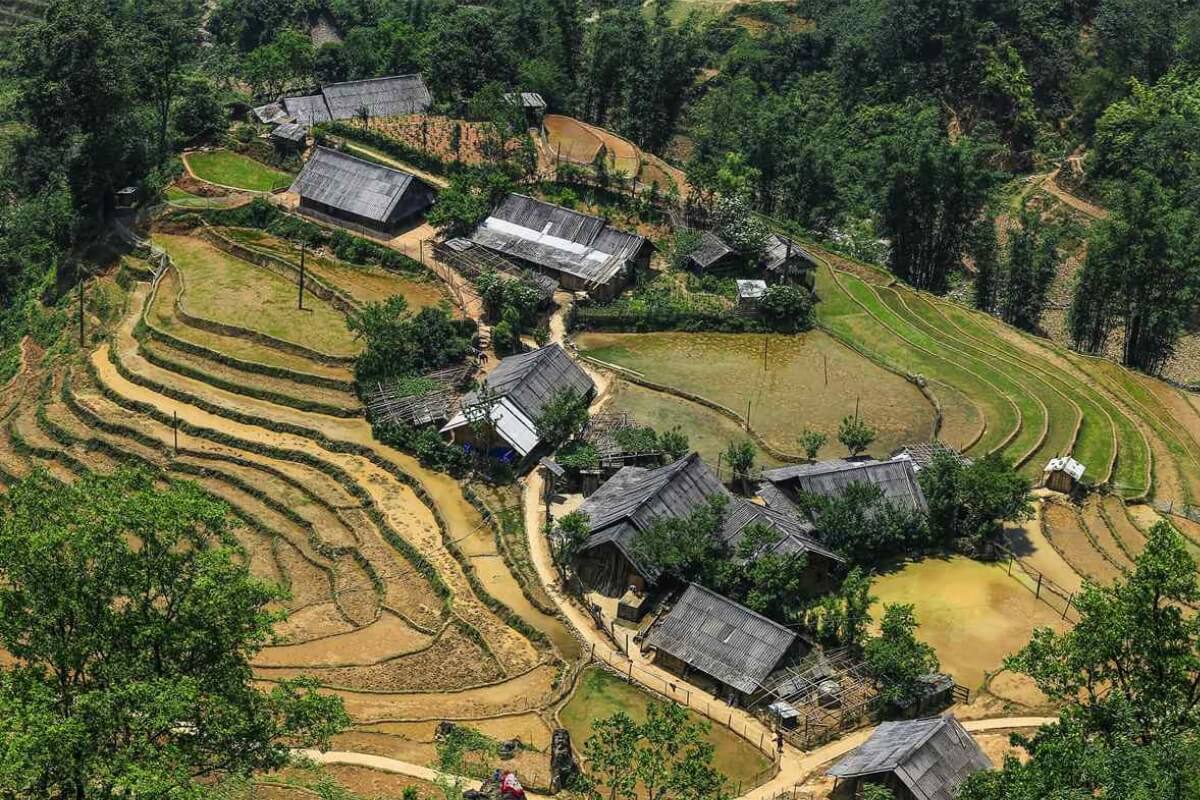
Visitors to this cat cat tourism village can witness daily life unfold—women weaving brocade fabrics by hand, elders crafting silver jewelry, and children playing along terraced fields. The visual harmony between human settlement and mountain landscape makes Cat Cat Village Sapa Vietnam exceptionally photogenic.
The History and Cultural Roots of Cat Cat Tourism Village
Cat Cat Village was established in the mid-19th century by the Black Hmong ethnic group, who settled in the area due to its fertile land and abundant water resources. The name “Cat Cat” is believed to originate from a French colonial-era designation, though the village’s identity remains deeply rooted in Hmong traditions.
For generations, local families have preserved their way of life through farming, weaving, silversmithing, and spiritual rituals tied closely to nature. Today, Cat Cat Village Vietnam serves as a living cultural museum, where ancient customs coexist with carefully managed tourism.
Traditional Architecture in Cat Cat Village
The architecture of Cat Cat Village Vietnam reflects the Hmong people’s adaptation to mountainous terrain and seasonal weather. Houses are built from wood and stone, with low roofs designed to retain warmth during winter. Interiors are simple yet functional, often centered around a hearth that serves as the heart of family life.
Walking through the village feels like stepping back in time, as modern construction is kept minimal to preserve the village’s original character.
Cultural Performances and Folk Traditions
Throughout the day, cultural performances take place in designated areas of Cat Cat Village. Traditional Hmong music, bamboo dances, and ceremonial reenactments offer insight into the community’s spiritual beliefs and seasonal festivals.
These performances are thoughtfully curated to educate visitors while respecting cultural integrity, reinforcing Cat Cat Village Vietnam’s reputation as a responsible cat cat tourism village.
Make your visit to Cat Cat Village Sapa Vietnam, truly memorable with our professionally designed Hanoi Sapa Tours. These itineraries combine scenic mountain travel, cultural village experiences, and premium accommodation for a well-balanced journey.
Best Time to Visit Cat Cat Village Sapa Vietnam
Cat Cat Village is accessible year-round, but each season offers a different experience.
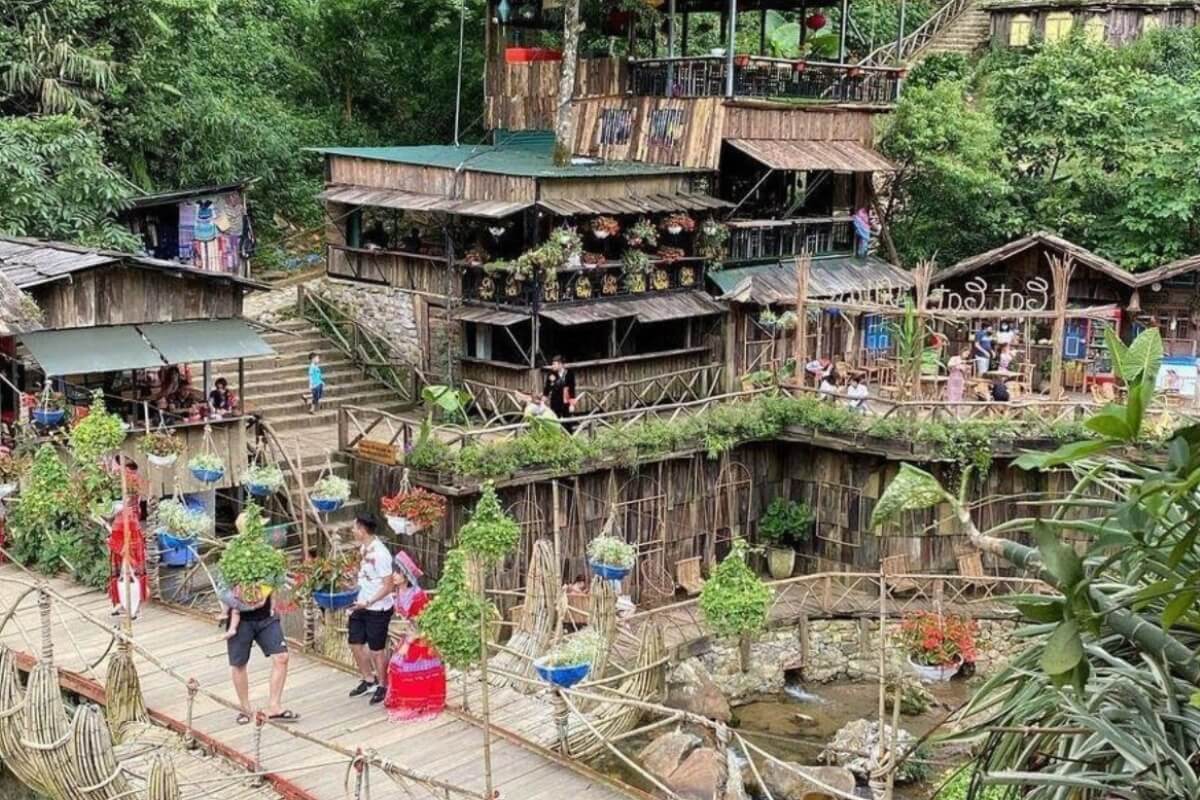
From March to May, the weather is mild and flowers bloom across the valley, creating ideal conditions for photography. September to November is another prime period, as rice terraces turn golden during harvest season. Winter months bring mist and cooler temperatures, adding a mystical atmosphere to Cat Cat Village Vietnam, though visibility may be limited.
For comfort-focused travelers, spring and autumn provide the best balance of scenery and climate.
How to Visit Cat Cat Village from Hanoi
Visiting Cat Cat Village from Hanoi is straightforward and comfortable, especially for international travelers seeking a balance between efficiency, scenery, and quality services. As Cat Cat Village is located just outside Sapa, the journey from Hanoi is typically completed in two stages: Hanoi to Sapa, followed by a short transfer to the village.
Traveling from Hanoi to Sapa
The most popular option for reaching Sapa from Hanoi is by luxury limousine van. This door-to-door service takes approximately 5.5 to 6 hours and is well-suited to travelers staying in 3-star to luxury hotels. Limousine vans offer spacious seating, air-conditioning, Wi-Fi, and scheduled rest stops, making the journey comfortable and efficient.
Another favored option is the overnight train from Hanoi to Lao Cai. This classic travel choice appeals to travelers who prefer to sleep during transit and wake up in the northern highlands. Trains typically depart late in the evening and arrive early in the morning. From Lao Cai Station, a private car or shuttle transfer of about one hour brings visitors to Sapa town. This option is often preferred by travelers who value privacy, nostalgia, and a relaxed travel rhythm.
From Sapa Town to Cat Cat Village
Once in Sapa, reaching Cat Cat Village Sapa Vietnam is quick and easy. The village is located approximately 2 kilometers from the town center, making it accessible on foot, by taxi, or by electric shuttle. Walking is a popular choice for those who enjoy scenic routes, as the downhill path offers sweeping views of the valley and surrounding mountains.
For travelers who prefer not to walk, taxis and electric carts provide a comfortable alternative, especially for families, senior travelers, or those returning uphill after visiting the village. The short transfer ensures that Cat Cat Village Vietnam can be explored without physical strain.
Top 10+ Things to Do in Cat Cat Village
Visiting Cat Cat Village is more than a short sightseeing stop—it is an immersive cultural and scenic experience that reveals the heart of ethnic life in the Sapa highlands. Below are the top things to do in Cat Cat Village that international travelers consistently find enriching, memorable, and well-suited to a half-day itinerary.
Walk Through a Traditional Hmong Mountain Village

One of the most rewarding things to do in Cat Cat Village is simply walking through its stone-paved paths. The village layout leads you downhill through wooden houses, terraced fields, and bamboo groves, offering a natural introduction to Black Hmong village life. This slow-paced walk allows visitors to absorb the atmosphere, architecture, and daily rhythms that define Cat Cat Village Vietnam.
Admire the Traditional Architecture in Cat Cat Village

Cat Cat Village Sapa Vietnam is known for its distinctive wooden houses built on stone foundations. These homes reflect centuries of adaptation to mountain climates and steep terrain. Exploring both inhabited homes and preserved cultural houses gives visitors valuable insight into how architecture supports family life, farming, and seasonal living in the highlands.
Visit the Iconic Cat Cat Waterfall

The Cat Cat Waterfall is one of the village’s most photographed landmarks and a must-see attraction. Located toward the lower end of the village, the waterfall flows year-round and plays a vital role in local agriculture. Viewing platforms around the falls provide excellent vantage points for photography while highlighting the close relationship between nature and daily life in this cat cat tourism village.
Observe Traditional Hmong Weaving and Indigo Dyeing
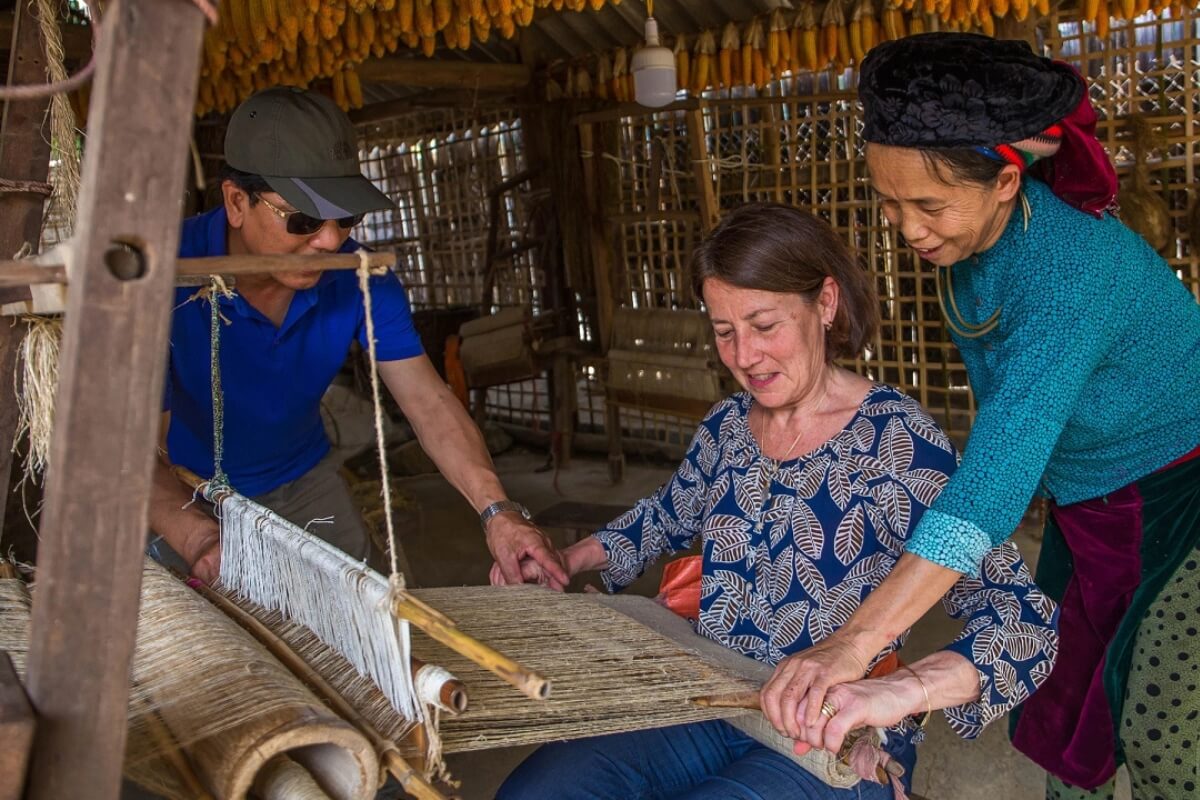
Watching local women weave textiles by hand is a highlight for many visitors. In Cat Cat Village Vietnam, traditional looms are still used to produce indigo-dyed hemp fabrics decorated with intricate embroidery. Observing this process offers a deeper appreciation of the skill, patience, and symbolism behind Hmong clothing traditions.
Explore Silver Jewelry and Handicraft Workshops
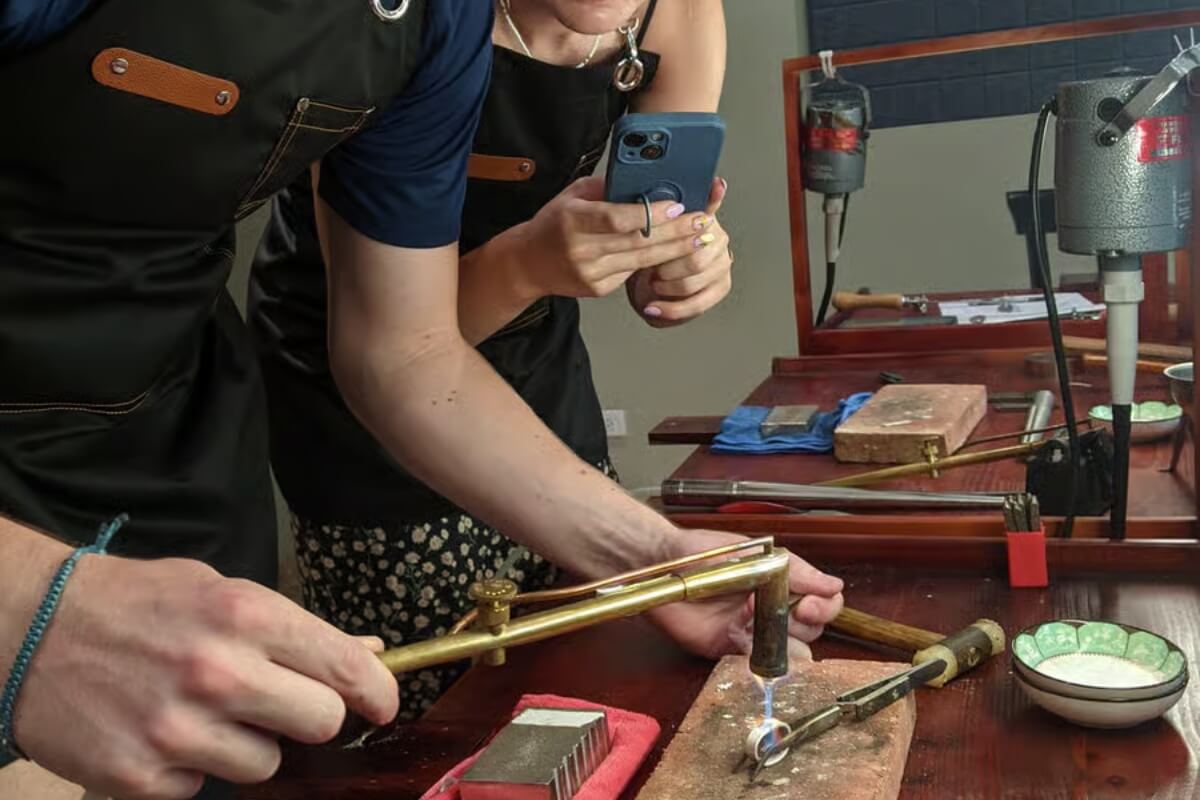
Silver crafting is another important cultural tradition in Cat Cat Village Sapa Vietnam. Visitors can see artisans shaping bracelets, necklaces, and ceremonial items, each carrying cultural meaning related to protection, prosperity, and identity. Purchasing these items directly from artisans supports local livelihoods and sustainable tourism.
Watch Traditional Cultural Performances

Cultural performances are among the most engaging things to do in Cat Cat Tourism Village. Scheduled shows often include traditional Hmong music, bamboo dances, and reenactments of folk rituals. These performances are designed to be educational and accessible, making them especially valuable for international travelers unfamiliar with Vietnam’s ethnic diversity.
Enjoy Panoramic Views of Rice Terraces and Valleys

Cat Cat Village is set within a dramatic mountain valley, and several viewpoints along the walking route offer sweeping views of terraced rice fields and surrounding peaks. Depending on the season, visitors can see vibrant green paddies or golden harvest landscapes, making Cat Cat Village Vietnam a favorite destination for photographers and nature lovers.
Explore the Local Cuisine of Cat Cat Village
Exploring local cuisine is an essential part of visiting Cat Cat Village Vietnam. Small family-run eateries and village kitchens serve traditional Hmong and Northwest Vietnamese dishes prepared using fresh, locally sourced ingredients. Meals are simple yet deeply flavorful, reflecting mountain cooking traditions shaped by climate and geography.

Visitors to Cat Cat Village Sapa Vietnam can expect to encounter dishes such as grilled pork marinated with forest herbs, stir-fried seasonal vegetables, bamboo-tube rice, and homemade corn wine. Sharing a meal in the village provides cultural insight beyond sightseeing, as food plays a central role in community life and hospitality.
Frequently Asked Questions About Cat Cat Village

How long should I spend visiting Cat Cat Village?
Most visitors spend between 2 to 3 hours exploring Cat Cat Village Sapa Vietnam at a relaxed pace. This timeframe allows enough time to walk through the village, visit cultural display houses, watch traditional performances, enjoy the waterfall, and interact with local artisans. Travelers who enjoy photography or prefer a slower pace may wish to allow up to half a day.
Is Cat Cat Village worth visiting?
Yes, Cat Cat Village is widely considered worth visiting, particularly for first-time travelers to Sapa. It offers a gentle introduction to the culture of the Black Hmong people without requiring long treks or overnight stays. As a well-managed cat cat tourism village, it balances authenticity with comfort
Is Cat Cat Village authentic or too touristy?
Cat Cat Village Vietnam is a working village that has adapted to tourism rather than a staged attraction. While it is more developed than remote villages, many families still live and work there, practicing traditional crafts and agriculture. Tourism supports local livelihoods, and when visited respectfully, Cat Cat Village Sapa Vietnam offers genuine cultural insight despite its popularity.
What is the best time to visit Cat Cat Village?
The best time to visit Cat Cat Village is from March to May and September to November, when weather conditions are mild and the landscape is at its most scenic. Spring brings flowers and fresh greenery, while autumn showcases golden rice terraces. Early morning or late afternoon visits are recommended to avoid crowds and enjoy softer natural light.
What should I wear when visiting Cat Cat Village?
Visitors should wear comfortable walking shoes with good grip, as stone paths can be uneven and slippery after rain. Modest clothing that covers shoulders and knees is recommended to show respect for local culture. During cooler months, layered clothing is advised due to changing mountain temperatures.
Can I take photos in Cat Cat Village?
Yes, photography is allowed and encouraged, as Cat Cat Village Vietnam is highly photogenic. However, visitors should always ask permission before photographing local residents, especially children. Respectful photography contributes to positive cultural exchange and ethical tourism practices.
Is Cat Cat Village suitable for children?
Cat Cat Village is generally suitable for children, particularly older children who enjoy walking and cultural exploration. Parents should supervise children closely due to sloping paths and stone steps. Many families appreciate the educational value of learning about ethnic cultures in a safe environment.
How much is the entrance fee to Cat Cat Village?
Cat Cat Village charges a regulated entrance fee, which contributes to village maintenance, infrastructure, and cultural preservation. Prices may vary slightly by season and policy updates, so it is best to confirm locally or through a tour operator.
Can I buy authentic souvenirs in Cat Cat Village?
Yes. Cat Cat Village Sapa Vietnam is an excellent place to purchase authentic, handmade souvenirs such as woven textiles, embroidered garments, and silver jewelry. Buying directly from artisans ensures better quality and supports the local economy.
Is Cat Cat Village accessible during the rainy season?
Yes, Cat Cat Village Vietnam remains open year-round, including during the rainy season from May to August. While rain enhances the greenery, paths can be slippery, so extra caution and proper footwear are essential. Guided visits are recommended during this period for safety and comfort
Can Cat Cat Village be visited as a day trip from Hanoi?
Technically yes, but it is not recommended. The journey from Hanoi to Sapa takes 5.5 to 8 hours one way. Most travelers visit Cat Cat Village as part of an overnight or multi-day Sapa itinerary to fully enjoy the experience without rushing.
Is Cat Cat Village included in most Sapa tours?
Yes. Cat Cat Village is commonly included in Sapa cultural tours, especially those designed for first-time visitors. Many itineraries offered by Hanoi-based tour operators integrate Cat Cat Village with Fansipan, Muong Hoa Valley, or light trekking experiences.
Ready to explore the cultural heart of Northern Vietnam in comfort and depth? Let Hanoi Local Tour be your trusted travel partner. From curated city experiences to immersive cultural journeys beyond Hanoi, our team specializes in authentic, well-paced itineraries designed for international travelers who value quality, insight, and seamless service.
Visit our Hanoi Local Tour homepage: https://www.hanoilocaltour.com/ to discover expertly crafted travel experiences that connect you with Vietnam’s culture, landscapes, and people—thoughtfully and responsibly.