
Hanoi Travel Blog - Hanoi Introduction & Information
Hanoi Corporate Tour: Rain Plan & Indoor Backup

09
Oct
Oct
A rainy forecast does not tell a company organiser which room is available, who can approve a change or how the group will reach the alternative programme. Those details need to be agreed before departure. A Hanoi corporate tour rain plan is useful when it connects weather monitoring to a real operational choice.
Build the backup around the outing’s purpose. A cultural introduction may need an alternative visit; a structured company activity may need a reserved room and a different task. “Go indoors if it rains” is not a complete plan. The organiser needs an approved option, a decision point, a cost arrangement and a message for participants.
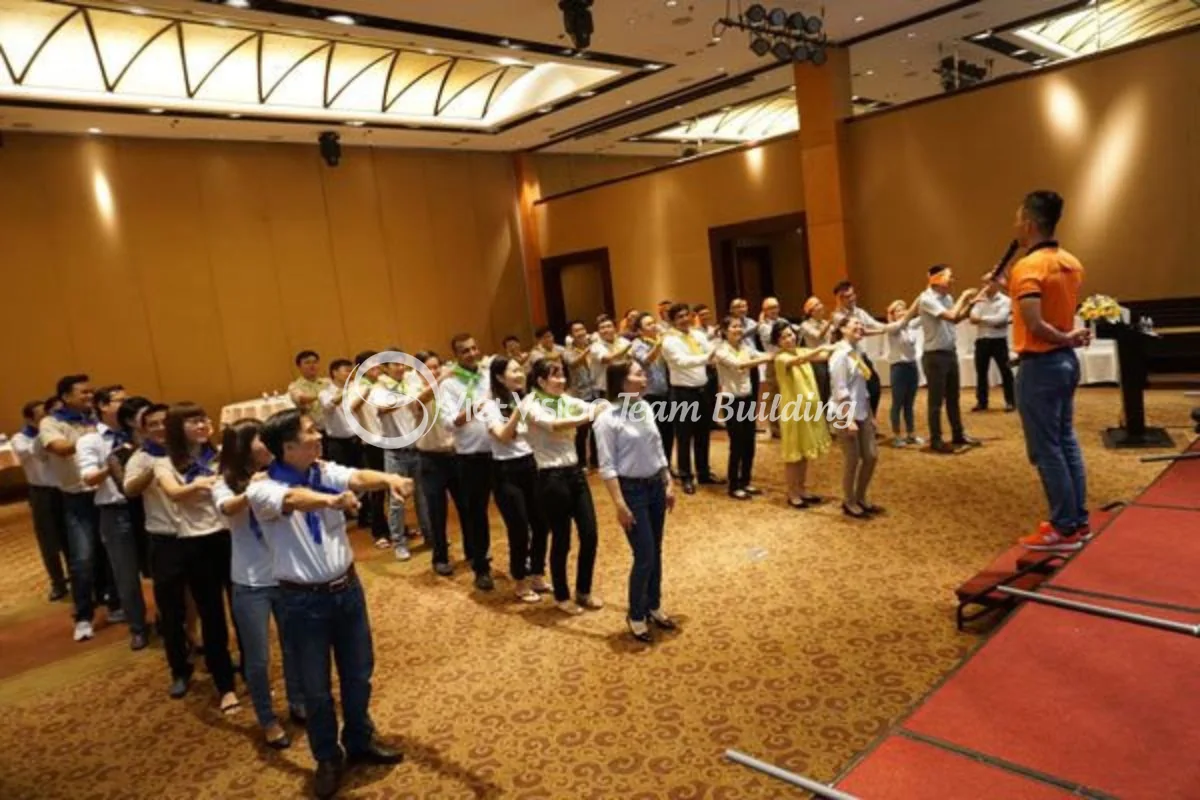
If the outing includes a Viet Vision Team Building programme, discuss the indoor activity scope while the travel operator checks the sightseeing alternative. Ask the activity team to explain the revised task, equipment and participation arrangements. The tour and activity plans should use the same decision time and return deadline; an indoor suggestion needs booking-specific confirmation before it becomes an agreed backup.
Define What Each Option Is Meant To Preserve
Start with the main programme and identify its essential purpose. Is the group discovering Hanoi, talking informally or completing a cooperative activity? The backup should preserve the most important part where possible. It does not have to reproduce every outdoor element in a different setting.
For illustration, an outdoor activity built around movement between stations could become a seated cooperative task, if that still serves the company objective and the supplier has designed it. Moving the same physical challenge into a smaller room without redesigning it changes the available space and can create unsuitable conditions. Ask the delivery team what changes, not just where the group will go.
Keep a no-activity option in the discussion when the alternative cannot meet the necessary conditions. That may mean modifying the sightseeing programme, using an agreed indoor visit or following the booking’s postponement or cancellation arrangements. Continuing the original activity should not be treated as the only acceptable outcome.
Verify The Backup Space Before Calling It A Backup
Ask whether the indoor space is reserved, temporarily held or only suggested. Confirm the exact area, access time, permitted use and the date when any hold expires. If another event can take the room before your decision point, record that limitation rather than presenting it as a guaranteed alternative.
Request the usable layout for your planned task. The room’s marketing capacity may describe theatre seating or a dinner setup, while your activity needs tables, circulation and room for materials. Do not substitute that figure for a task-specific check. Verify access to toilets, seating, entrances and the arrangement for participants who need a lower-movement option.
Hanoi Local Tour’s Hanoi team-building venue guide can help begin the venue discussion. The next step is to confirm a specific space and its conditions with the operator and venue for your date. A place listed as suitable for events is not, by itself, a room reservation or confirmation that your activity is permitted.
Put Plan A And Plan B In The Same Table
Use the following structure with actual supplier information. The entries describe questions to settle, not commitments from any particular venue or operator.
| Planning Item | Plan A | Plan B |
|---|---|---|
| Main purpose | State the outdoor visit or activity objective | State what the alternative preserves and what it drops |
| Space | Approved outdoor area and access conditions | Named indoor room or visit, with reservation status |
| Programme | Tasks, instructions and closing process | Redesigned tasks and any revised duration |
| Transfers | Original pickup and loading points | Revised route and loading arrangements |
| Equipment | Materials and setup responsibility | What can be reused, replaced or omitted |
| Cost | Approved inclusions and commitments | Hold fee, alternative fee and approval limit |
| Decision | Proceed only under agreed operating conditions | Named decision owner and last practical change time |
The last practical change time should follow the real logistics: room release, vehicle routing, staff movement and preparation. It is not a universal weather threshold. Obtain the delivery team’s and venue’s operating advice, and follow official warnings or restrictions that apply. A forecast check is one input; it does not replace an assessment of the actual conditions.
Assign The Decision And Communication Roles
Name who monitors updates, who checks venue availability and who can approve extra spending. The company contact may approve scope or budget, while the operational team and venue manage the conditions under which their services can proceed. Clarify these responsibilities in advance so a spending decision is not confused with an instruction to continue an unsuitable activity.
For example, the supplier might need the indoor decision before dispatching equipment, while the venue’s hold expires earlier. In that case the organiser needs an earlier decision point, not an assurance that the team will “see how it looks on arrival”. The dates and times must be agreed for the actual booking.
Prepare one participant message that explains the changed meeting point, time, clothing or personal items and what the revised programme will involve. Do not send a detailed operational debate to the group. Give the guide, activity lead and company contact one consistent version so participants are not redirected through conflicting messages.
If conditions change after departure, use the agreed escalation contact. Record the new instruction and make sure every vehicle or subgroup receives it before splitting routes. A destination change without a shared attendance check can make an otherwise sensible backup difficult to manage.
Agree The Cost Of Changing Plans
Separate the cost of holding an alternative from the cost of using it. Ask whether admissions, transport, meals, materials and staffing change under Plan B, and what happens to commitments made for Plan A. Request the supplier’s written terms instead of assuming an unused service will be refunded.
Have the company identify an approval limit and a person available to authorise a variation. If an alternative exceeds that limit, the delivery team needs another approved option. Do not rely on obtaining a retrospective approval after a venue or supplier has already incurred the expense.
For the separately delivered activity, Viet Vision Team Building’s contingency planning guide offers a Vietnamese-language framework for reviewing backup responsibilities and operational risks. Use it as a planning reference, then obtain a booking-specific plan from the responsible suppliers. It does not confirm the availability or suitability of an indoor space for your group.
Rehearse The Switch Before The Group Arrives
A short desk review can expose gaps. Ask the guide, activity lead and company contact to describe what they would do if Plan B were selected. Where does the vehicle go? Who checks the room? What happens to the equipment? When do participants receive the message? Which person confirms that everyone has reached the new meeting point?
Then check the backup materials against the actual task. A revised seated programme may need tables, pens or another instruction method even when the outdoor version did not. Confirm setup access and the time to clear the room. Avoid adding an unplanned competition simply to fill spare indoor time.
After the outing, record which option was used, when the decision was made and what changed in delivery or cost. These facts help the company improve its next plan. They are more useful than calling a last-minute change seamless without examining the handovers.

Questions About Rain Backups
Is An Indoor Venue List Enough For A Rain Plan?
No. Confirm the specific space, reservation status, permitted programme, access time and cost. A shortlist is an early research step.
Should We Wait Until The Group Arrives To Decide?
Only if the agreed room, transport and setup arrangements genuinely allow that timing. Set the decision point from the actual logistical commitments and operating advice.
Can The Same Outdoor Games Be Used Indoors?
Sometimes an activity can be adapted, but the supplier must review space, movement, equipment and participation. An indoor location alone does not make the original design suitable.
This guide was prepared with AI-assisted drafting by Viet Vision Team Building. To plan the sightseeing alternative, ask our Hanoi Tours travel experts to confirm the proposed route and backup arrangements before approving the outing.