
Hanoi Travel Blog - Hanoi Introduction & Information
Vietnam Overnight Sleeper Train – Best Routes, Ticket Prices & How to Book Updated 2026
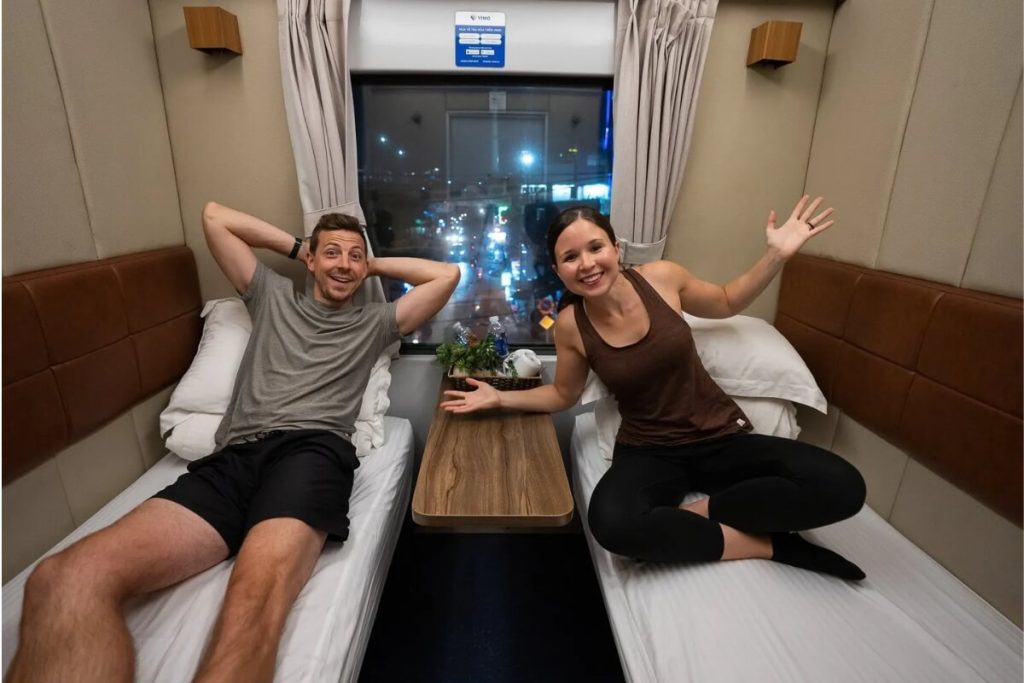
03
Mar
Mar
Traveling through Vietnam by rail is more than transportation — it is an immersive cultural experience. For international travelers seeking comfort, authenticity, and efficiency, the Vietnam overnight sleeper train offers a unique way to explore the country’s most iconic destinations while maximizing time and minimizing transit stress.
This in-depth guide is written by travel experts at Hanoi Local Tour to provide reliable, experience-based insights for discerning travelers who expect comfort, safety, and well-organized logistics.
Why Choose a Vietnam Overnight Sleeper Train?
The Vietnam sleeper train combines practicality with romance. Unlike short domestic flights, overnight rail journeys allow you to travel long distances while resting comfortably in a private cabin. You arrive in your destination city refreshed and ready to explore — without losing valuable daylight hours.
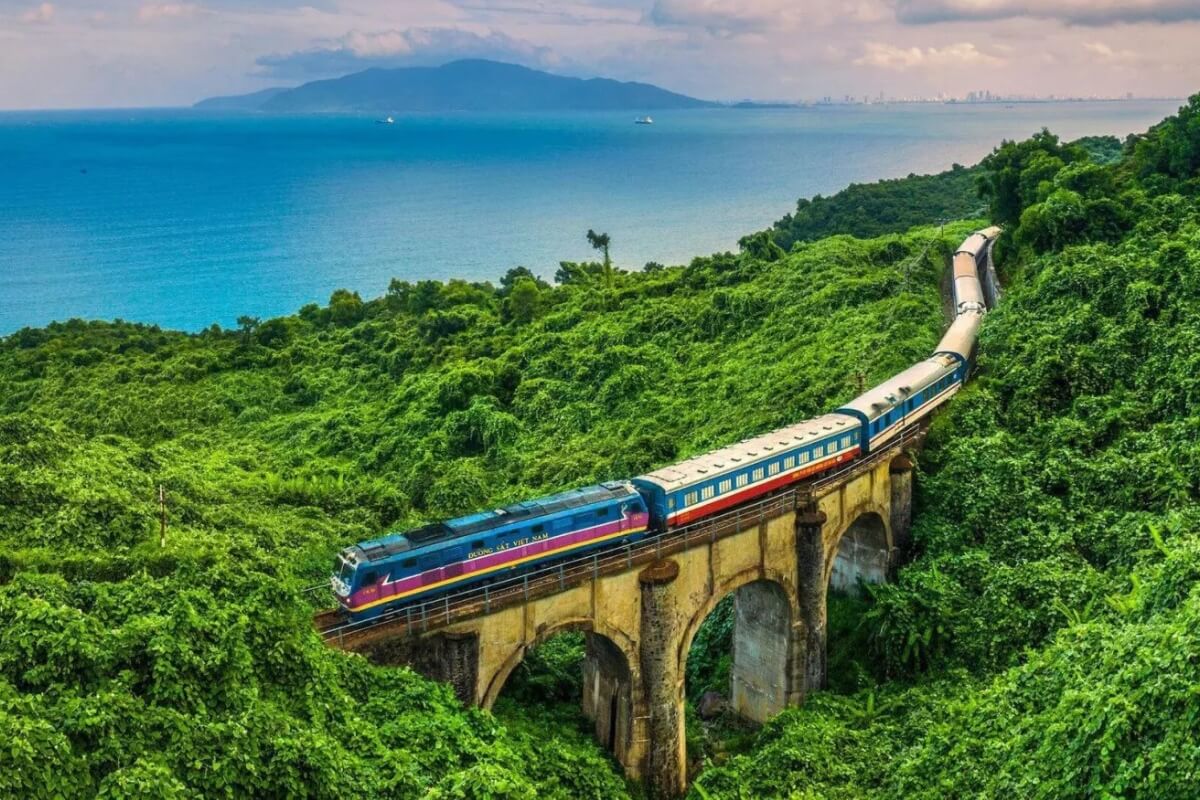
For international guests, sleeper cabins provide suitable comfort levels, privacy, and air conditioning. Soft sleeper berths are particularly popular among couples, solo travelers, and small groups seeking a smooth, stress-free experience.
Additionally, rail travel offers something flights cannot: the landscape. As the overnight train in Vietnam glides along coastal lines, rice paddies, mountain passes, and small towns, it reveals the country’s authentic rhythm of life.
How Many Cabin Types on the Vietnam Sleeper Train
When booking an overnight train in Vietnam, understanding cabin categories is essential for comfort.
Soft Sleeper (4-Berth Cabin)
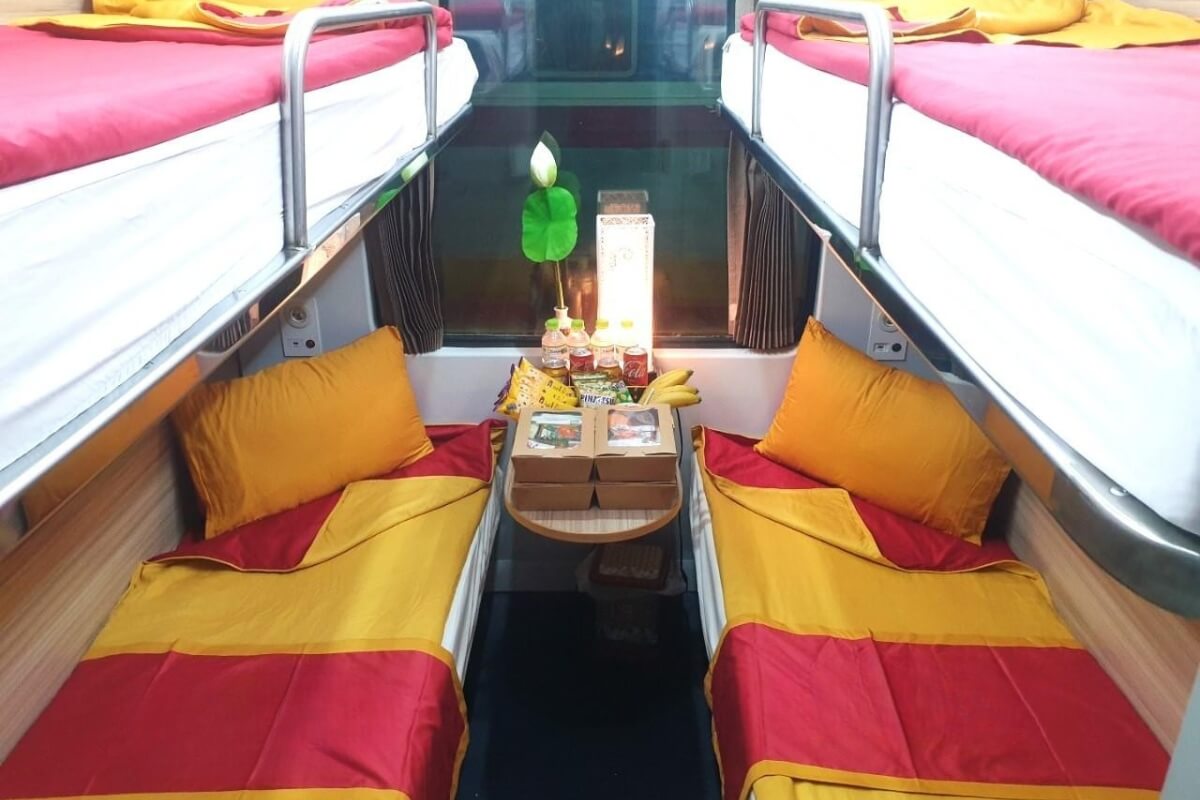
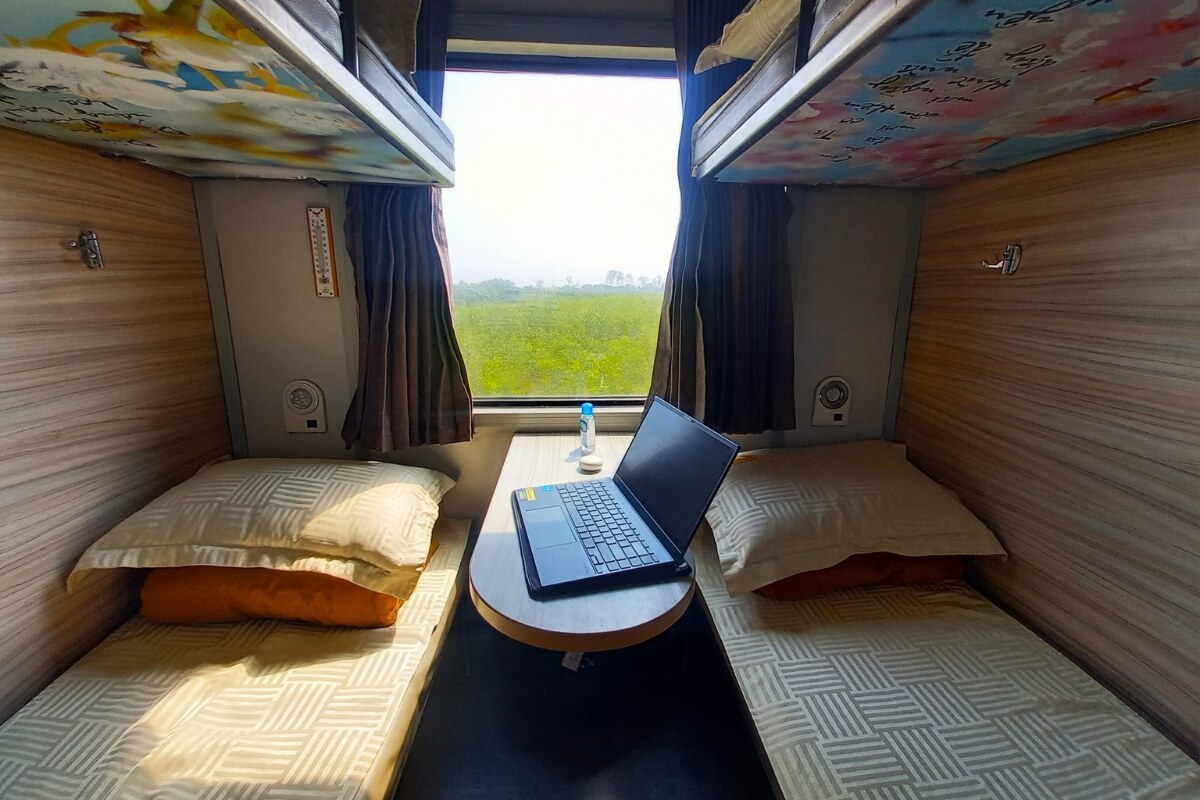
This is the most recommended option for international travelers. Each cabin contains four berths (two upper, two lower), air conditioning, bedding, reading lights, and a lockable door. Soft sleeper cabins are ideal for couples or small groups and provide a good balance between comfort and price.
VIP Sleeper (2-Berth Cabin)
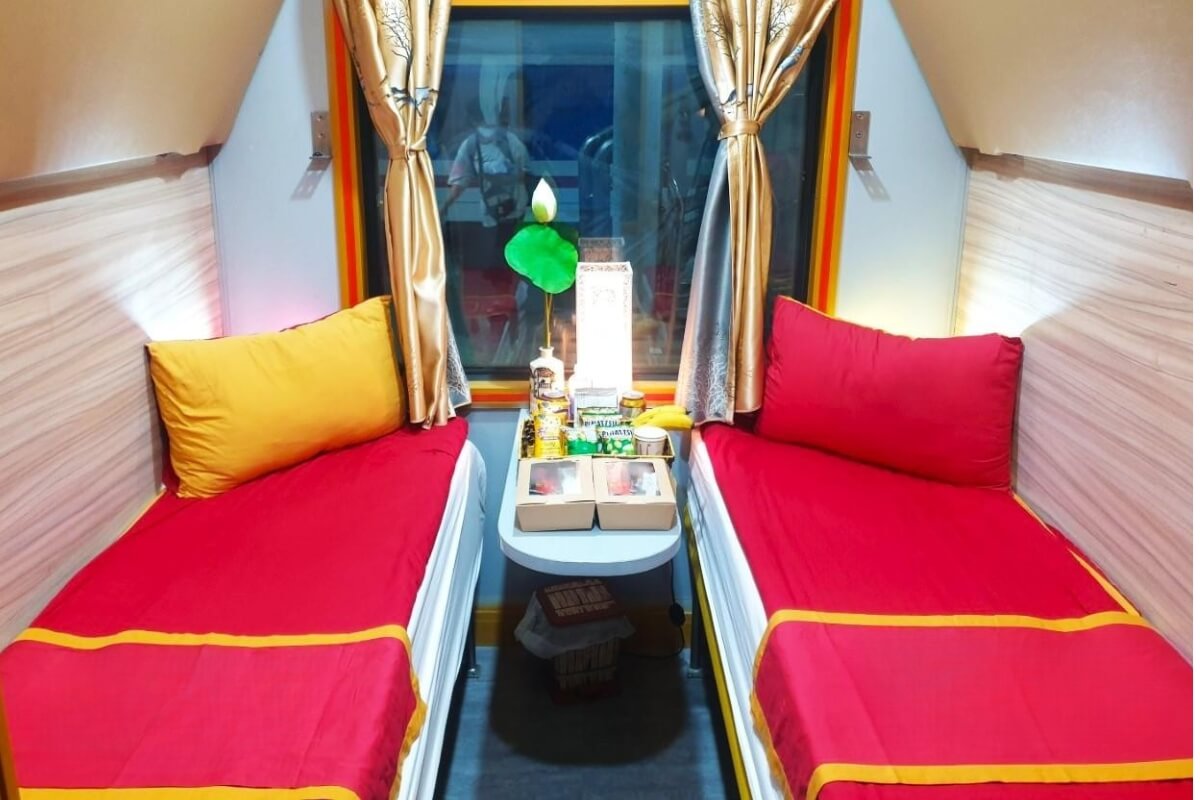
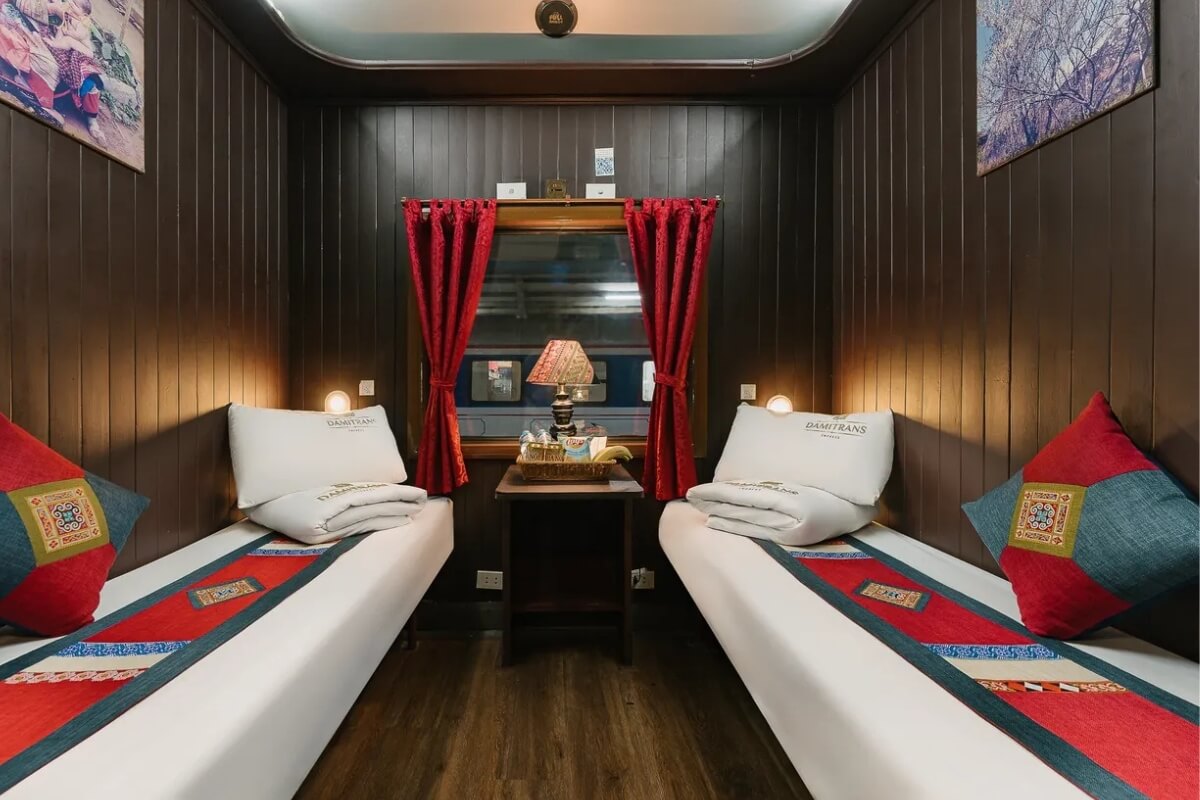
Some private operators offer upgraded cabins with only two berths. These provide more space, enhanced bedding, and improved decor. If privacy is important, this is the premium Vietnam sleeper train experience.
Hard Sleeper (6-Berth Cabin)
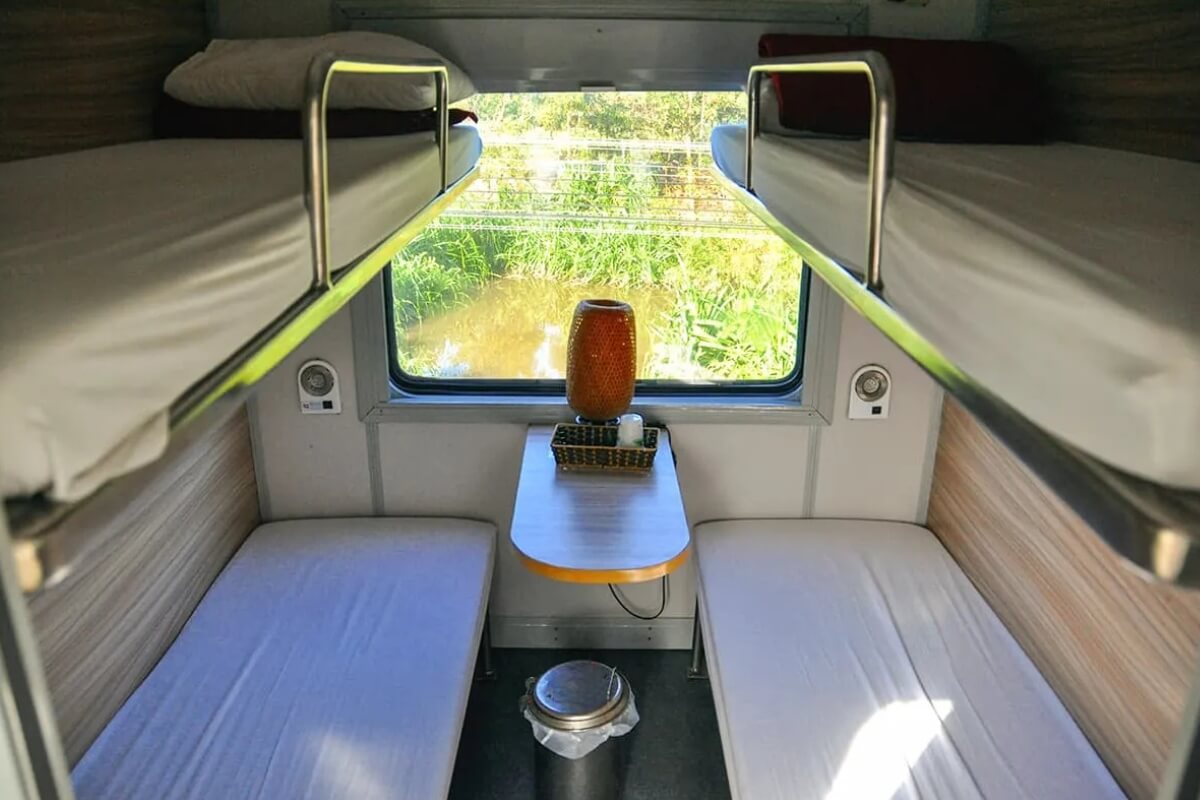
This budget option has six berths and firmer mattresses. While still air-conditioned, it is less spacious and may feel crowded for travelers accustomed to 3-star hotels and above.
For guests of Hanoi Local Tour, we typically recommend booking the full 4-berth cabin privately for optimal comfort.
Most Popular Overnight Train Routes in Vietnam
1. Hanoi to Sapa – Overnight Sleeper Train (via Lao Cai)
- Distance: Approximately 296 km (Hanoi to Lao Cai railway line)
- Travel Time: Around 7.5 – 8.5 hours by overnight train
- Departure Station: Hanoi Railway Station (120 Le Duan Street, Hoan Kiem District)
- Arrival Station: Lao Cai Railway Station (Khanh Yen Street, Lao Cai City)
Departure & Arrival Schedule
All overnight trains to Sapa depart from Hanoi Railway Station, located in central Hanoi.
Typical departure time: Between 21:30 and 22:40 daily.
Passengers usually board 30–45 minutes before departure. The train departs late enough to allow dinner in Hanoi before boarding.
Arrival time at Lao Cai Railway Station: Between 05:25 and 06:30 the following morning.
The total rail journey lasts approximately 7.5 to 8.5 hours, making it one of the most comfortable overnight segments in the country. The timing is ideal: travelers sleep through most of the trip and arrive early enough to begin exploring Sapa by mid-morning.
Because arrival is early, many hotels in Sapa offer luggage storage or optional early check-in arrangements.
Cabin Types & Pricing
The Hanoi – Lao Cai route offers a range of sleeper cabin categories. While trains are operated by Vietnam Railways, several private operators attach upgraded carriages to the same train, offering improved interiors and service standards.
- 4-Berth Soft Sleeper (Most Popular Option): Approximately USD 30 – 45 per person, depending on season and operator.
- Premium 4-Berth Sleeper (Upgraded Carriages): Approximately USD 40 – 55 per person.
- 2-Berth VIP Private Cabin: Approximately USD 85 – 120 per cabin (not per person).
Arrival Logistics
Upon arrival at Lao Cai Railway Station in the early morning, passengers disembark directly onto the platform. There is no baggage claim area—luggage remains with you inside the cabin throughout the journey.
Sapa town is located approximately 33–35 kilometers from Lao Cai.
Transfer options include:
- Shared shuttle bus: USD 6 – 10 per person
- Private car transfer: USD 20 – 35 per vehicle
- Hotel-arranged transfer (recommended for convenience)
Travel time from Lao Cai to Sapa typically ranges between 45 and 60 minutes, depending on road and weather conditions. The route climbs steadily into the Hoang Lien Son mountain range, offering scenic views of valleys and terraced landscapes at sunrise.
2. Hanoi to Hue – The Most Recommended Cultural Train Route
- Distance: Approximately 688–720 km (depending on train service)
- Travel Time: 12.5 to 14 hours
- Departure Station: Hanoi Railway Station (120 Le Duan Street)
- Arrival Station: Hue Railway Station (2 Bui Thi Xuan Street)
The Hanoi–Hue segment is widely considered the best introduction to the Vietnam overnight sleeper train experience. It connects the political capital with the former imperial capital and fits seamlessly into a north-to-central Vietnam itinerary.
Departure & Arrival Schedule
Most overnight departures from Hanoi are between 19:30 and 22:00. Popular train numbers include SE1, SE3, and SE19 (train codes may vary by season).
Arrival in Hue usually occurs between 08:30 and 11:00 the following morning.
This timing is highly practical. Travelers can enjoy dinner in Hanoi, board the overnight train in Vietnam, sleep comfortably, and arrive in Hue with enough time for late-morning sightseeing or hotel check-in.
Cabin Types & Pricing (Per Person)
- 4-berth soft sleeper: USD 48 – 68
- 2-berth VIP sleeper (private operator cabins attached to national trains): USD 75 – 100
- 6-berth hard sleeper: USD 35 – 50
Prices increase during high season (October to April), Vietnamese holidays, and weekends. Booking at least 2 weeks in advance is recommended for soft-sleeper availability.
Arrival Logistics
Hue Railway Station is centrally located. Taxi transfer to most 3–5 star hotels in the city center takes 5–10 minutes, costing approximately USD 3–6.
Many hotels allow early luggage storage if rooms are not yet ready.
3. Hanoi to Da Nang – The Scenic Coastal Overnight Train Journey
- Distance: Approximately 790 km
- Travel Time: 15 to 16.5 hours
- Departure Station: Hanoi Railway Station
- Arrival Station: Da Nang Railway Station (791 Hai Phong Street)
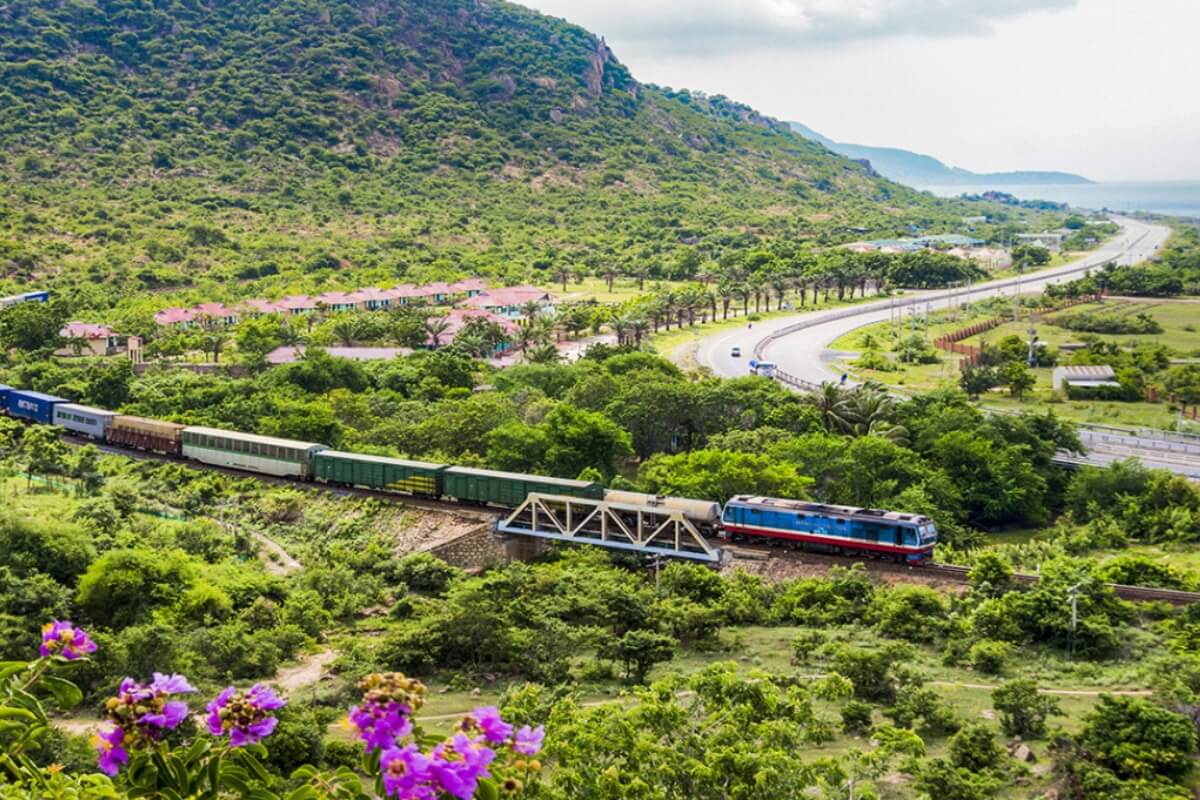
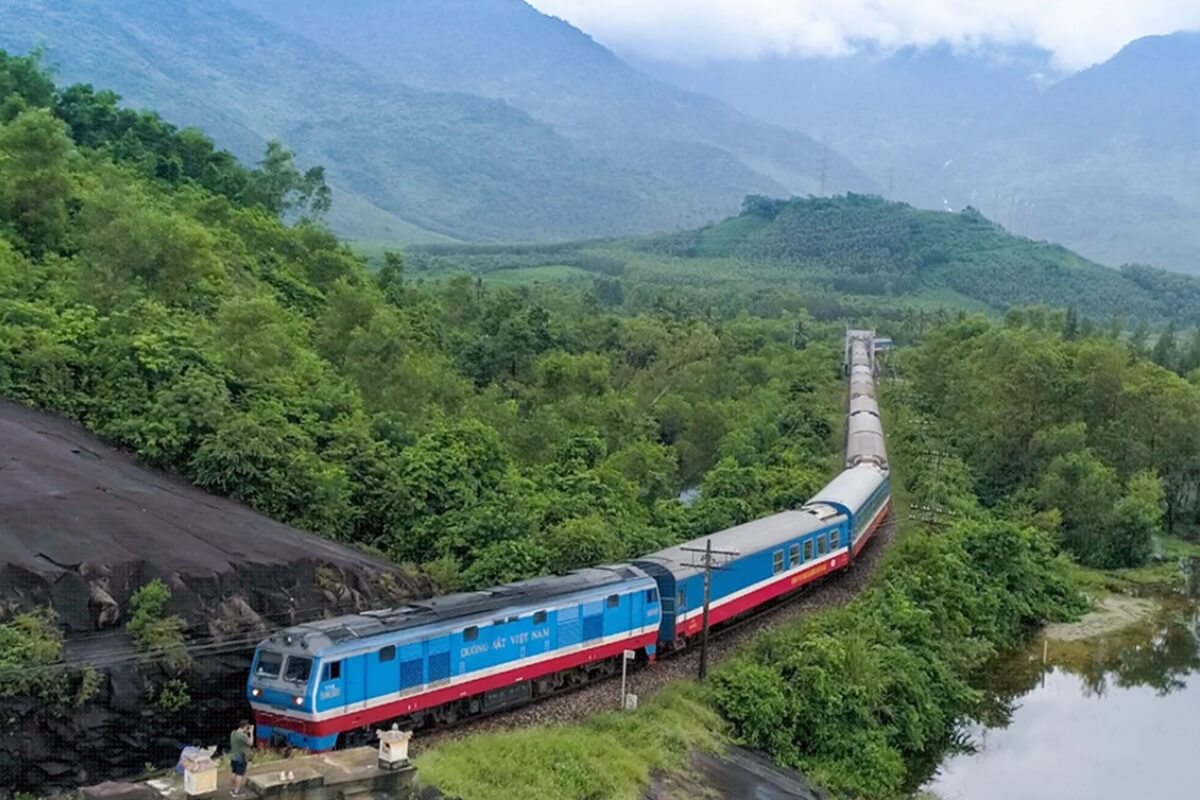
This is one of the most scenic routes on the entire Vietnam sleeper train network. The train travels along central Vietnam’s coastline and passes near the famous Hai Van coastal stretch.
Departure & Arrival Schedule
Evening departures typically occur between 18:00 and 20:30.
Arrival in Da Nang usually ranges between 09:00 and 11:30 the next morning.
Although slightly longer than the Hanoi–Hue journey, this Vietnam overnight sleeper train route is very manageable in soft sleeper class.

Cabin Pricing (Per Person)
- 4-berth soft sleeper: USD 52 – 75
- 2-berth VIP sleeper: USD 85 – 115
- 6-berth hard sleeper: USD 40 – 55
Ticket prices fluctuate depending on train quality, air-conditioning carriage type, and demand levels.
Arrival Logistics
Da Nang Railway Station is centrally positioned within the city.
- Taxi to My Khe Beach area: 10–15 minutes (USD 5–8)
- Transfer to Hoi An: 30–45 minutes (USD 15–20 private car)
Because arrival is mid-morning, hotel check-in is typically smooth, especially for guests staying in 4–5 star beachfront resorts.
4. Ho Chi Minh City to Nha Trang – Short Southern Overnight Train Route
- Distance: Approximately 410–450 km
- Travel Time: 8 to 9 hours
- Departure Station: Saigon Railway Station (1 Nguyen Thong Street)
- Arrival Station: Nha Trang Railway Station (17 Thai Nguyen Street)
This is the most convenient overnight train in Vietnam for travelers exploring southern coastal destinations.
Departure & Arrival Schedule
Most overnight trains depart Ho Chi Minh City between 20:00 and 22:30.
Arrival in Nha Trang is typically between 04:30 and 06:30 the following morning.
Because of early arrival, arranging early check-in or breakfast access with your hotel is strongly recommended.
Cabin Pricing (Per Person)
- 4-berth soft sleeper: USD 42 – 60
- 2-berth VIP sleeper: USD 70 – 95
- 6-berth hard sleeper: USD 30 – 45
This shorter Vietnam sleeper train journey is ideal for travelers who want to save a hotel night without spending 14–16 hours onboard.
Arrival Logistics
Nha Trang Railway Station is only 5–10 minutes by taxi to most beachfront hotels. Taxi fare typically ranges from USD 3 to 6.
5. Hanoi to Ho Chi Minh City – The Full North–South Train Experience
- Distance: Approximately 1,726 km
- Travel Time: 32 to 36 hours
- Departure Station: Hanoi Railway Station
- Arrival Station: Saigon Railway Station
This is the longest continuous Vietnam overnight sleeper train journey, covering the entire north–south corridor.
While technically possible in one booking, most travelers divide the route into segments (Hanoi–Hue, Hue–Da Nang, or Da Nang–Nha Trang) to avoid spending more than one night onboard.
Schedule Overview
Departure usually occurs in the evening from Hanoi.
Arrival in Ho Chi Minh City takes place approximately 1.5 days later.
Cabin Pricing (Full Journey, Per Person)
- 4-berth soft sleeper: USD 95 – 135
- 2-berth VIP sleeper: USD 140 – 180
Given the length, this option is recommended mainly for rail enthusiasts or slow-travel advocates.
Practical Boarding & Travel Notes for the Vietnam Overnight Sleeper Train
1. Arriving at the Railway Station
Vietnam’s major departure stations are centrally located:
- Hanoi Railway Station
- Da Nang Railway Station
- Saigon Railway Station
- Hue Railway Station
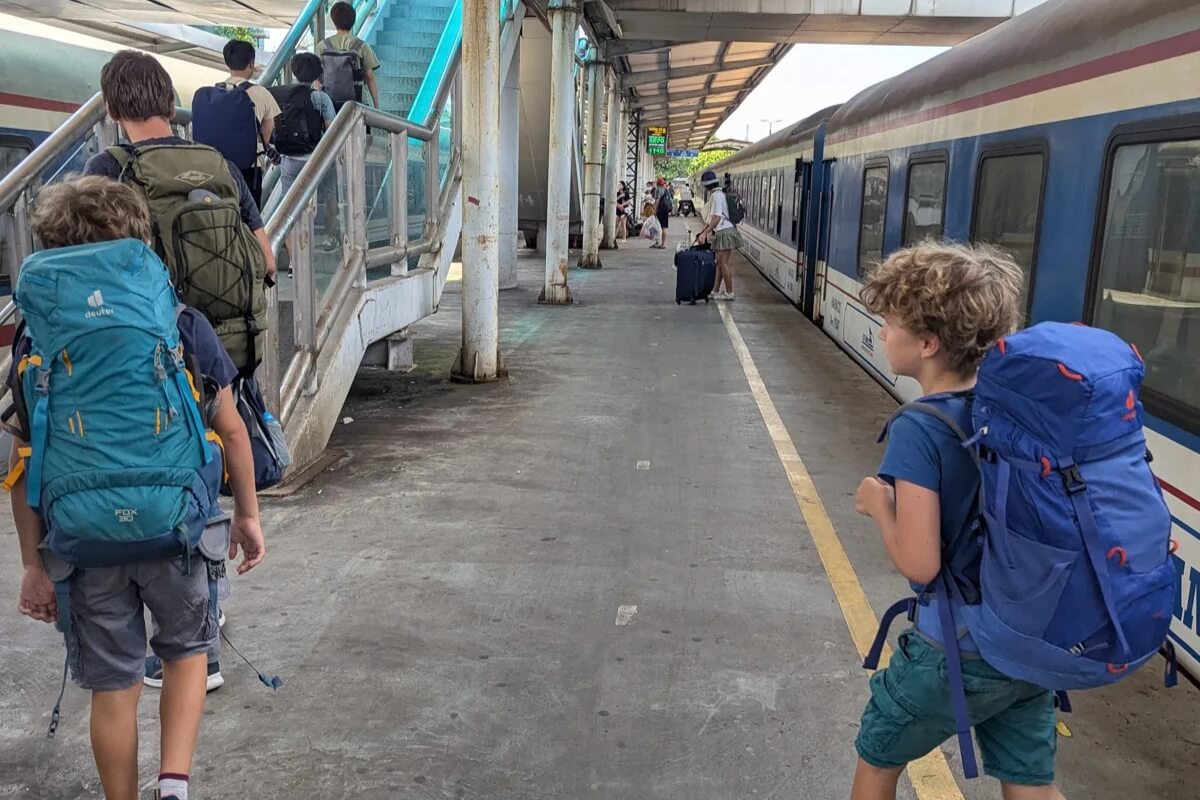
You should arrive 45–60 minutes before departure. Although the boarding process is simpler than air travel, stations can become crowded in the evening when multiple overnight trains depart.
Upon arrival:
- Check the large electronic departure board for your train number (for example, SE1, SE3, SE21, etc.).
- Confirm your platform number. Platforms are sometimes announced 20–30 minutes before departure.
- Keep your passport accessible, as ticket inspectors may verify identification before boarding.
Unlike airports, there is no baggage security screening, but ticket control at the platform entrance is standard.
Taxi drop-off areas are directly in front of station entrances, and most 3–5 star hotels can arrange reliable transfers.
2. Understanding Your Ticket & Carriage Information
Every Vietnam sleeper train ticket contains four important details:
- Train number
- Departure date and time
- Carriage number
- Cabin and berth number
Carriages are numbered clearly on the exterior. Station staff and onboard attendants can assist if needed.
On popular routes, private upgraded carriages may be attached to standard trains. These offer improved bedding and interior design but follow the same boarding procedure as national railway carriages.
3. Cabin Layout & Space Management
The most recommended option for international travelers is the 4-berth soft sleeper cabin.
Each cabin typically includes:
- Two lower berths and two upper berths
- Clean mattress, pillow, and blanket
- Air conditioning (centralized control)
- Individual reading lights
- Small fold-down table
- One or two power outlets (220V)
Cabins are compact but functional. Lower berths provide easier access and extra luggage storage underneath. Upper berths require climbing a small ladder.
For couples or privacy-focused travelers, booking the entire cabin is strongly advised. While the overnight train in Vietnam is generally safe, private cabins offer greater comfort and uninterrupted rest.
4. Luggage & Storage Guidelines
There is no formal luggage limit comparable to airlines. However, practical space inside a sleeper cabin is limited.
- Medium suitcases fit under the lower berth.
- Carry-on bags can be placed overhead.
- Oversized luggage may need to be positioned in cabin corners.
It is advisable to pack a small overnight bag with essentials and keep large luggage stored for the duration of the trip.
5. What to Bring for a Comfortable Journey
Although bedding is provided, experienced travelers on the Vietnam overnight sleeper train often bring:
- Passport and printed/digital ticket
- Portable power bank
- Eye mask and earplugs (corridor noise and rail vibration are normal)
- Light snacks and bottled water
- Basic toiletries
- Comfortable sleepwear
Dining cars are available on some north–south routes, but food options are simple. For shorter overnight routes, catering services may be limited late at night.
Having dinner before boarding is recommended.
6. Safety & Security Onboard
The Vietnam sleeper train network is considered safe for international visitors.
Cabins can be locked from the inside. Train attendants regularly monitor the corridor throughout the night. Still, basic precautions are recommended:
- Keep passports and valuables near your pillow in a secure pouch
- Lock cabin doors while sleeping
- Avoid leaving electronics unattended in shared spaces
Train movement is steady but may include occasional vibration, braking sounds, or station announcements.
7. Temperature & Comfort Considerations
Air conditioning operates throughout the night. In some cases, cabins may feel cooler after midnight.
Bringing a light sweater or scarf is advisable, even during warmer months.
During winter (December–February), northern routes can feel noticeably colder, particularly on Hanoi departures.
8. Restroom & Hygiene Facilities
Each sleeper carriage includes shared restroom facilities at both ends.
Facilities usually include:
- Western-style toilet (in most soft sleeper carriages)
- Basic sink with running water
- Mirror
Conditions are functional rather than luxurious. Bringing personal tissues and hand sanitizer is recommended.
Early morning hours before arrival are typically the busiest time for restroom use.
9. Nighttime Journey Experience
Once the train departs, corridor lights remain dimmed overnight.
Major stops are brief and often occur while passengers are asleep. Announcements are minimal.
Most overnight trains in Vietnam last between 8 and 16 hours, depending on the route. Soft sleeper cabins provide reasonable comfort for uninterrupted rest.
For longer routes (14+ hours), some travelers wake naturally at sunrise to enjoy countryside views from the window.
10. Arrival Procedures at Destination
Upon arrival:
- Passengers disembark directly onto the platform.
- There is no baggage claim system; you retrieve your luggage from your cabin.
- Station exits are clearly marked.
Major city stations are centrally located and accessible by taxi within 5–15 minutes to most hotels.
If arriving early (for example, 5:00–7:00 AM), arrange early check-in or luggage storage in advance with your hotel.
11. Seasonal & Peak Travel Considerations
The Vietnam overnight sleeper train operates daily throughout the year. However:
- October to April is high season.
- Vietnamese public holidays and Tet sell out quickly.
- Weekend departures fill faster than midweek.
Booking 2–3 weeks in advance is advisable during peak travel periods.
12. Is the Overnight Train in Vietnam Worth It?
For well-planned itineraries, the Vietnam sleeper train transforms travel time into rest time. Instead of losing a full day in transit, you sleep comfortably and arrive ready to explore.
With proper preparation, realistic expectations, and the right cabin selection, the overnight train in Vietnam is a safe, efficient, and culturally immersive way to travel between Vietnam’s most iconic destinations. Visit our official website https://www.hanoilocaltour.com/ to have suggestions about vietnam train journey from our travel expert today!