Hanoi Tourist Attractions - Best Places to Visit in Hanoi, Hanoi Travel Blog - Hanoi Introduction & Information
Muong Coc Community Tourism Village – Experience Authentic Muong Culture Near Hanoi
23
Oct
Oct
What if you could spend a day in northern Vietnam doing more than visiting famous landmarks? Imagine harvesting lotus flowers alongside local farmers, preparing traditional dishes with ingredients gathered from the countryside, learning about medicinal herbs, and ending the afternoon listening to traditional music with members of a local community.
This is the experience that awaits visitors at Muong Coc Community Tourism Village. At this countryside destination, nature, agricultural activities and the cultural traditions of the Muong ethnic community come together.
Located approximately 60 kilometres from central Hanoi, Muong Coc lies in My Duc Commune, within a landscape of green valleys, limestone mountains, rice fields and peaceful villages. Often described as a miniature version of Vietnam’s northwestern countryside, the area offers a refreshing contrast to the busy streets and modern buildings of the capital.
Yet the appeal of Muong Coc village extends beyond its scenery. Here, visitors can discover aspects of everyday life through hands-on activities, traditional food, local knowledge and cultural exchanges with residents.
For international travellers looking for meaningful experiences in Hanoi tours, this is an opportunity to approach Vietnamese culture from a different perspective. Rather than observing local traditions from a distance, you can participate in activities shaped by the agricultural environment and cultural heritage of the community.
Whether you are interested in traditional cuisine, rural life, cultural discovery or a relaxing escape into nature, Muong Coc offers a different way to experience northern Vietnam.
Where Is Muong Coc Community Tourism Village?
Muong Coc Community Tourism Village is located in My Duc Commune, approximately 60 kilometres from central Hanoi. Depending on traffic and the exact starting point, the journey generally takes around one to two hours by road.
The surrounding landscape combines green valleys, limestone hills, agricultural fields, lotus ponds and small villages. This mixture of natural scenery and traditional rural life gives the area a distinctive character compared with Hanoi’s urban environment.
For travellers staying in Hanoi, the location makes Muong Coc a potential destination for a full-day countryside excursion without requiring an overnight stay.
The journey also provides a gradual transition from city life to rural Vietnam. As the urban landscape gives way to open fields and quieter roads, visitors begin to experience a different rhythm of life.
Unlike a conventional sightseeing destination centred on a single monument, Muong Coc is best understood through the combination of its landscape, community and cultural activities.
The exact experiences available can vary according to the season, agricultural conditions and the programme arranged by local hosts. Travellers should therefore confirm the itinerary and activity schedule before visiting.
What Makes Muong Coc Village Special?
Many destinations near Hanoi offer beautiful countryside, but Muong Coc stands out for the opportunity to combine outdoor experiences with direct participation in local activities.
The village’s community-based tourism approach introduces visitors to aspects of Muong culture through farming, food preparation, traditional knowledge, music and hospitality.
Experience Everyday Life in a Muong Community
One of the most rewarding aspects of visiting Muong Coc is the opportunity to gain a closer understanding of how local traditions connect with everyday life.
Rather than limiting the experience to photographs and sightseeing, visitors may be invited to participate in practical activities alongside local hosts.
These experiences can include harvesting seasonal produce, preparing traditional dishes, learning about herbs and joining cultural activities.
The value lies in the process itself. Harvesting lotus seeds, for example, offers a glimpse into how local ingredients are collected and prepared. Learning to cook a traditional dish provides insight into the ingredients, techniques and knowledge passed between generations.
For international travellers, these interactions can make cultural discovery more personal and memorable.
They also encourage a more thoughtful approach to travel, in which visitors take time to learn about the people and traditions behind a destination rather than simply moving from one attraction to another.
Discover the Cultural Heritage of the Muong People
The Muong are one of Vietnam’s officially recognised ethnic groups, with distinctive traditions, language, music, cuisine and cultural practices.
Their cultural heritage is closely connected to community life and the surrounding natural environment. Agricultural activities, traditional foods, folk music and knowledge of local plants all contribute to the identity of Muong communities.
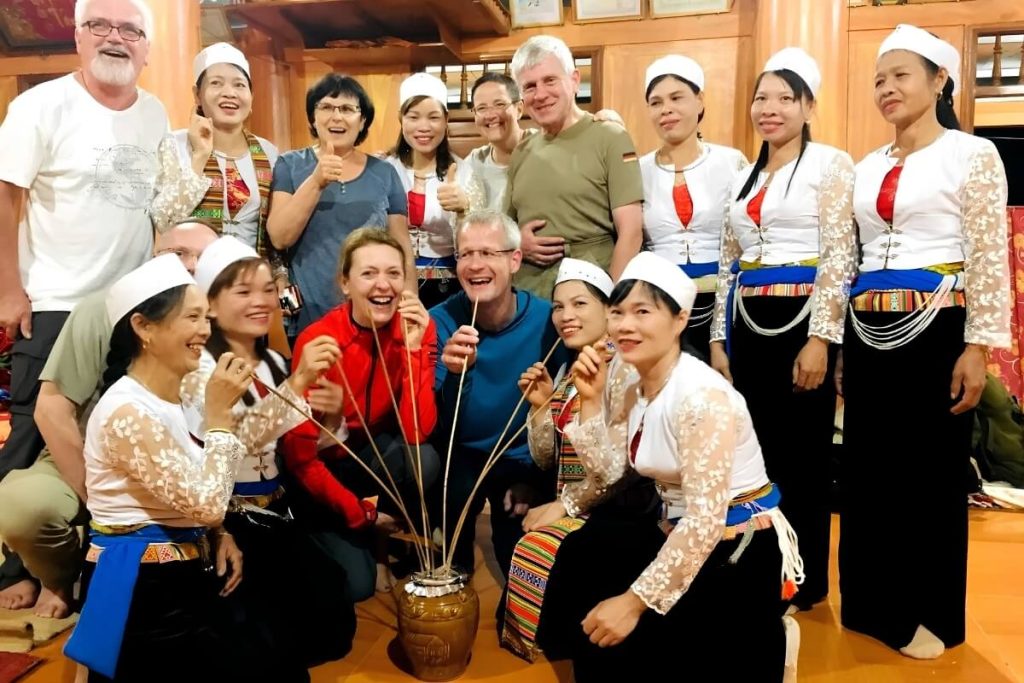
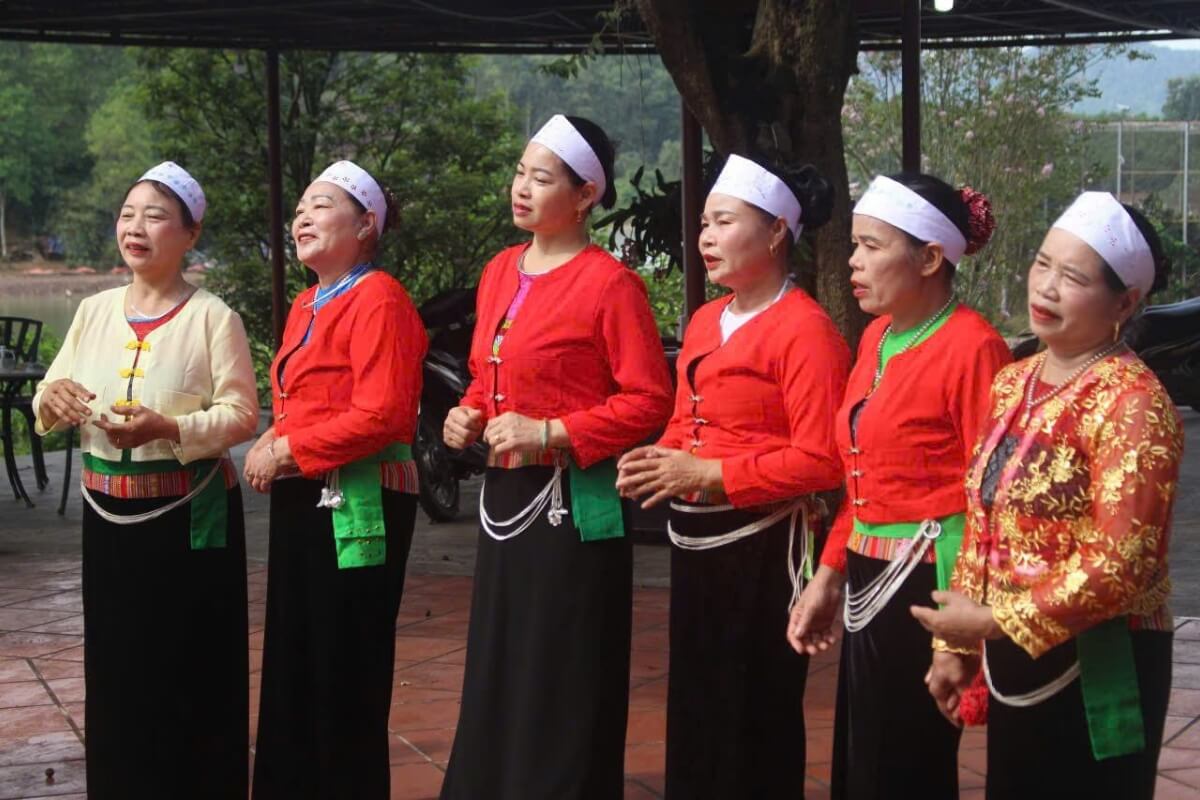
At Muong Coc village, cultural experiences may introduce visitors to traditional clothing, basic Muong expressions, gong music and local customs.
These activities provide an accessible introduction to the community’s heritage, especially for travellers who have limited time in northern Vietnam.
It is important, however, to remember that Muong culture is diverse and cannot be fully represented by a single village visit. A day in Muong Coc offers a starting point for understanding local traditions, rather than a complete picture of every aspect of Muong life.
Approaching the experience with curiosity and respect helps create a more meaningful exchange between visitors and hosts.
Things to Do at Muong Coc Community Tourism Village
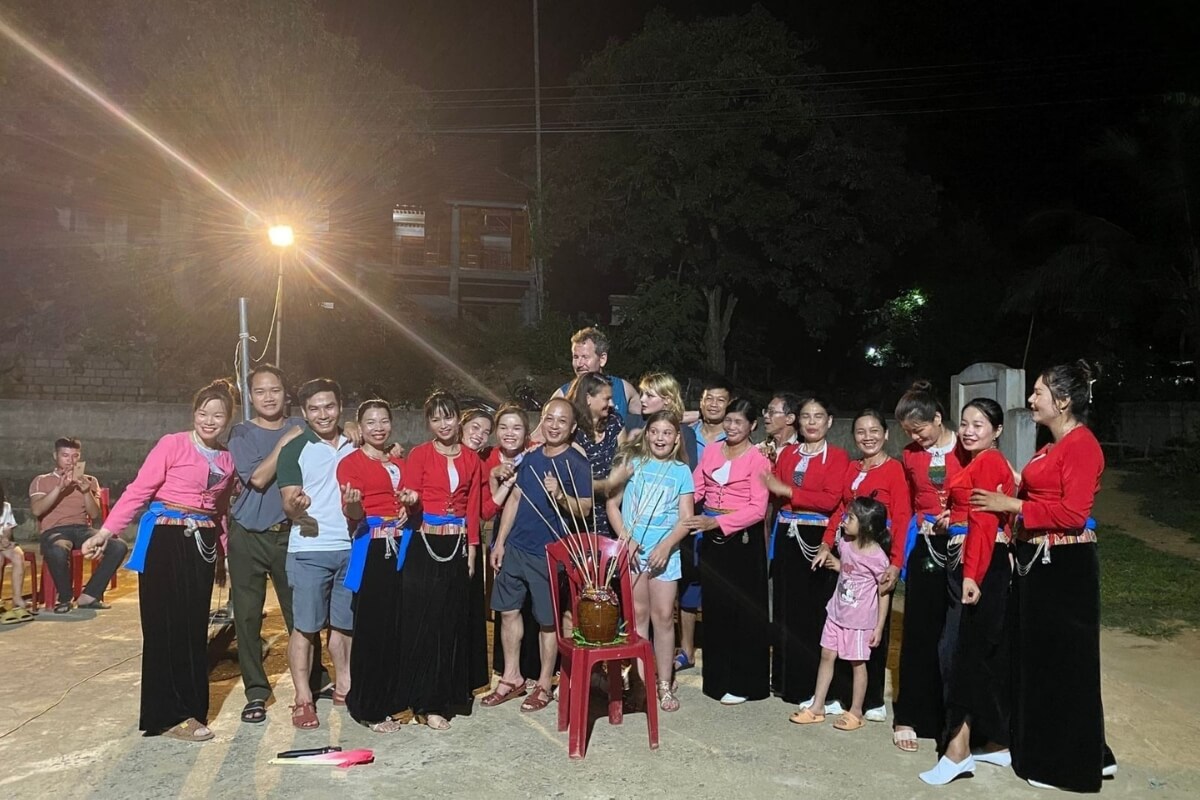
The best way to explore Muong Coc is to choose activities that allow you to engage with both the countryside and its cultural traditions.
Depending on the programme and season, a visit can combine agricultural experiences, cooking, traditional crafts, herbal wellness and local performances.
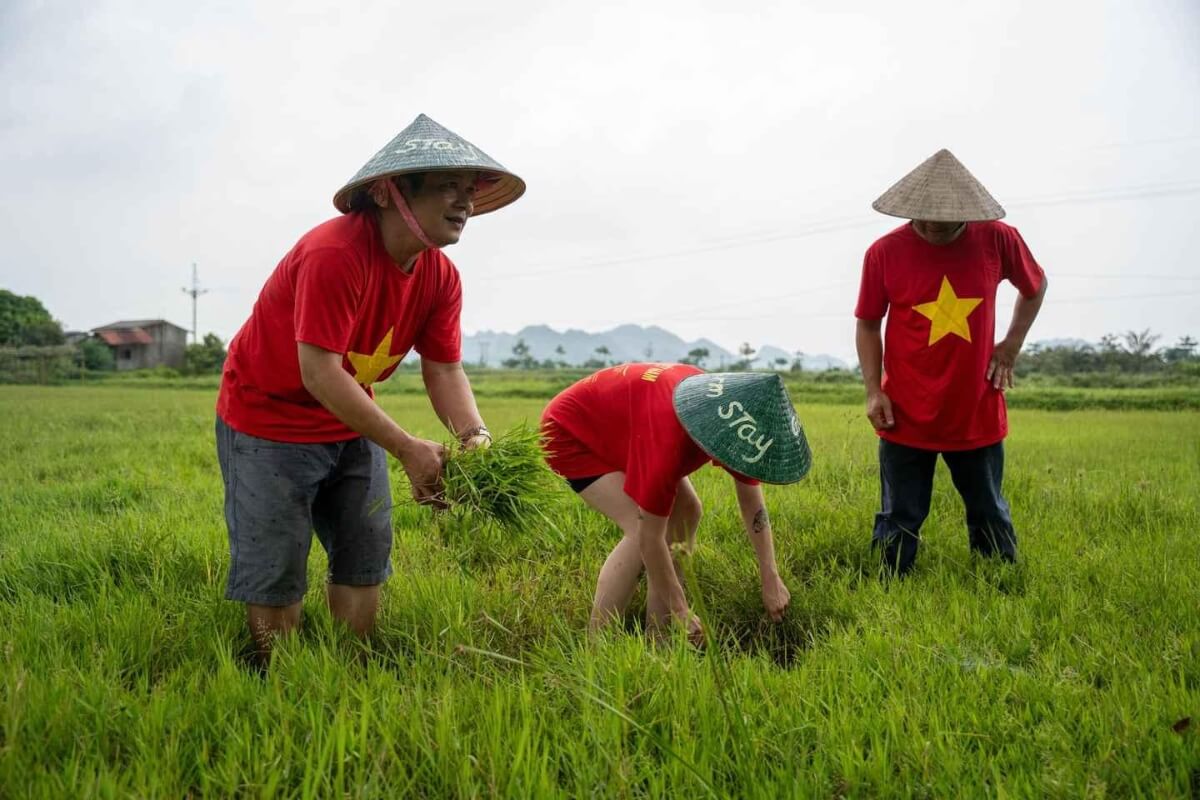
1. Experience Farm Life and Harvest Seasonal Produce
For many visitors, the chance to experience farm life is one of the most memorable parts of a trip to Muong Coc Community Tourism Village.
Instead of simply looking at the countryside, you can take part in selected agricultural activities and learn how local produce moves from the field or garden to the dining table.
One example is lotus harvesting. During the appropriate season, visitors may join local farmers at a lotus pond to collect flowers and learn how lotus seeds are prepared for cooking.
The process can involve several stages, from harvesting the flowers to removing the seeds, preparing them and using them in traditional dishes such as sweet lotus seed soup.
These activities reveal the amount of work behind ingredients that may otherwise appear ordinary on a restaurant menu.
Other seasonal experiences may include picking fruit in the garden or helping with planting and harvesting crops. The available activities depend on the agricultural calendar, so not every experience will be offered throughout the year.
For travellers accustomed to urban life, this hands-on introduction to farming provides a refreshing change of pace. It is also an enjoyable option for couples, families and curious food lovers who want to understand more about rural life in Vietnam.
2. Learn to Cook Traditional Muong Dishes
Food is one of the most accessible ways to understand a culture, and cooking is often more revealing than simply tasting a finished dish.
At Muong Coc, cooking experiences can introduce visitors to traditional ingredients, preparation methods and the knowledge local cooks have developed over generations.
Depending on the programme, you may learn how to prepare pickled wild bamboo shoots with chilli, steam black glutinous rice or cook rice inside bamboo tubes.
Another traditional technique involves clamping fish or chicken between bamboo sticks and grilling it over hot coals. The method demonstrates how locally available materials can become practical cooking tools.
Visitors may also have the opportunity to prepare Muong Coc banana cakes, a rustic local-style treat, or learn how certain dipping sauces are made.
The experience is not simply about following a recipe. Local hosts can explain where ingredients come from, how they are prepared and why particular flavours are important in regional cuisine.
For international visitors, this is an opportunity to discover dishes that may be unfamiliar outside the region and learn techniques that can be adapted at home.
If you have food allergies or dietary restrictions, inform the organiser before the activity so that ingredients and preparation arrangements can be discussed in advance.
3. Enjoy a Traditional Muong Lunch
After a morning of harvesting and cooking, sharing a meal is a natural way to bring the experience together.
A traditional meal at Muong Coc may feature dishes prepared from local ingredients, including rice, vegetables, bamboo shoots and other regional produce.
Depending on the menu, visitors may encounter bamboo-tube rice, black glutinous rice, grilled fish or chicken and seasonal specialties.
Each dish offers a glimpse into the relationship between local food and the surrounding environment. Ingredients are shaped by what grows in the area, while preparation methods reflect practical knowledge and culinary traditions passed down through families.
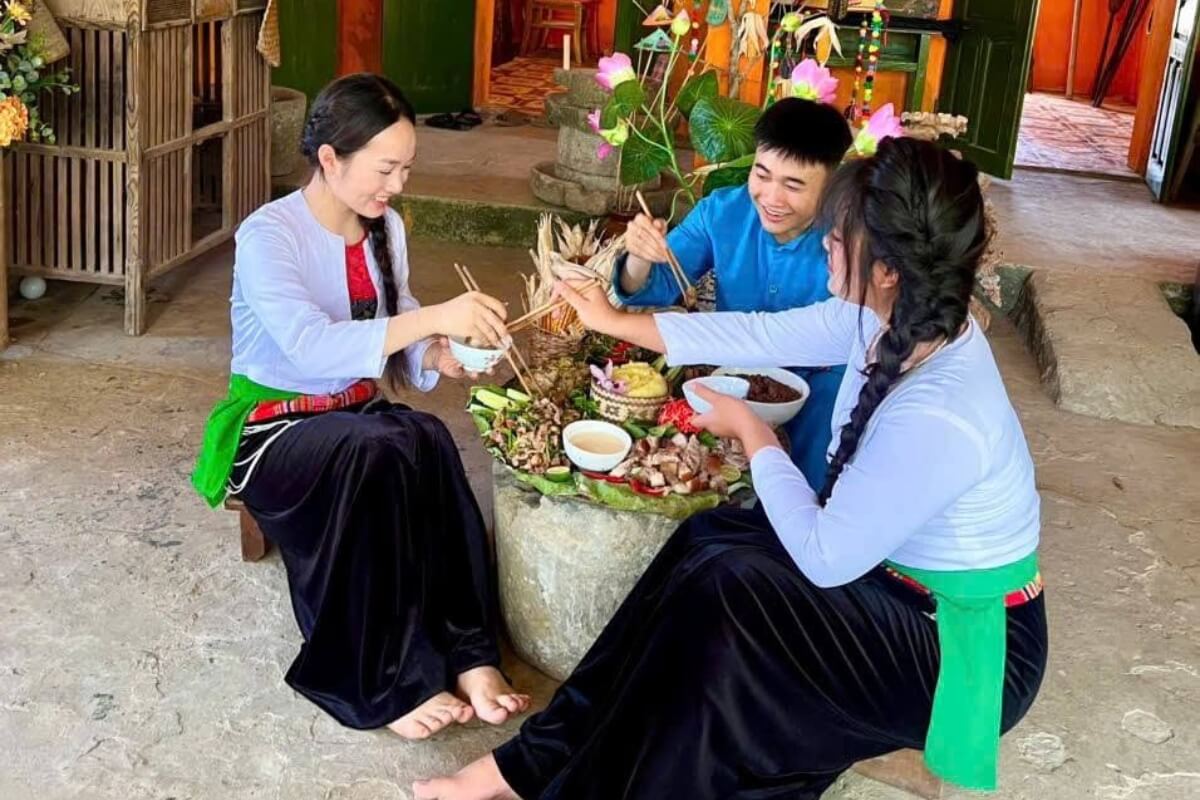
Sharing a meal also creates an opportunity to connect with the hosts and other visitors in a relaxed setting.
For travellers who enjoy discovering a destination through its cuisine, this can become one of the highlights of the day.
Rather than treating lunch as a short break between activities, take time to ask about unfamiliar dishes and learn how they are traditionally served.
4. Discover Traditional Herbal Knowledge
The natural environment around Muong Coc is also connected to local knowledge of medicinal plants and herbs.
Depending on the activities offered, visitors may explore a garden, learn about selected plants and discover how some herbs are traditionally prepared for everyday use.
A guided introduction can explain how leaves and other plant materials are collected, dried and prepared for traditional herbal drinks or remedies.
For travellers interested in wellness and traditional knowledge, this experience provides a different perspective on the relationship between communities and their environment.
It is important to distinguish cultural learning from medical advice. Traditional remedies may have a long history of use, but their effectiveness and safety are not necessarily established by modern clinical evidence. Visitors should not treat a demonstration as a substitute for professional medical care.
The emphasis is on understanding local knowledge and its cultural context.
5. Relax with a Traditional Herbal Foot Soak
After a day of outdoor activities, a herbal foot soak can provide a relaxing end to the experience.
At participating farmstays, visitors may be offered a wooden tub containing warm water and selected herbs, sometimes in a peaceful garden setting near a lotus pond.
The experience is designed around relaxation rather than physical exertion. It gives guests time to sit back, reflect on the day and enjoy a quieter moment before returning to Hanoi.
For travellers who prefer a balanced itinerary, combining cultural activities with a little downtime can make the experience more comfortable.
If you have sensitive skin, allergies or other concerns about herbal ingredients, ask the host about the contents of the soak before participating.
6. Learn Basic Muong Expressions and Try Traditional Clothing
Cultural exchange at Muong Coc may also include an introduction to the Muong language and traditional clothing.
Learning a few basic greetings can be a simple but enjoyable way to connect with local hosts. Even a short language session helps visitors appreciate that a community’s identity is expressed not only through architecture and food but also through the words people use in everyday life.
Traditional clothing provides another perspective on cultural heritage.
Visitors may have the opportunity to try garments featuring distinctive designs and woven details, including traditional outfits associated with Muong women.
These activities are particularly enjoyable for travellers interested in photography and cultural history. They are most rewarding when accompanied by explanations of the clothing’s design, use and significance.
As with all cultural experiences, follow the host’s guidance and ask permission before photographing local residents.
7. Listen to Traditional Gong Music and Join Cultural Activities
Music and community celebrations are important elements of Muong cultural heritage.
Depending on the programme, visitors to Muong Coc may enjoy traditional gong performances presented by local performers or artisans.
The experience can become more interactive when guests are invited to try playing the gongs or join simple group dances.
Some programmes may also include an introduction to rượu cần, a traditional fermented rice wine associated with communal drinking customs in several ethnic communities in Vietnam’s Central Highlands and other cultural settings. Visitors should ask local hosts about the particular tradition being presented and its significance to the community.
The atmosphere is often informal and welcoming, creating an opportunity for visitors and hosts to share an experience through music and movement.
For international travellers, these moments can offer a more personal connection with the destination than sightseeing alone.
Cultural performances should nevertheless be understood in their local context. Each community has its own customs, and not every ritual or musical tradition is intended for public participation.
Muong Coc Community Tourism Village and Sustainable Travel
Community-based tourism can provide a valuable way for travellers to learn about local culture while supporting experiences organised by residents.
At Muong Coc, activities centred on farming, food, traditional knowledge and cultural exchange can help visitors understand how the surrounding landscape shapes community life.
When thoughtfully organised, these experiences can also create opportunities for local hosts, guides, farmers, cooks and artisans to share their knowledge and receive income from tourism.
However, the quality of a community tourism experience depends on how it is managed. Travellers can make more responsible choices by booking through organisers who work with local residents, asking about the people involved in delivering activities and following guidance on cultural etiquette.
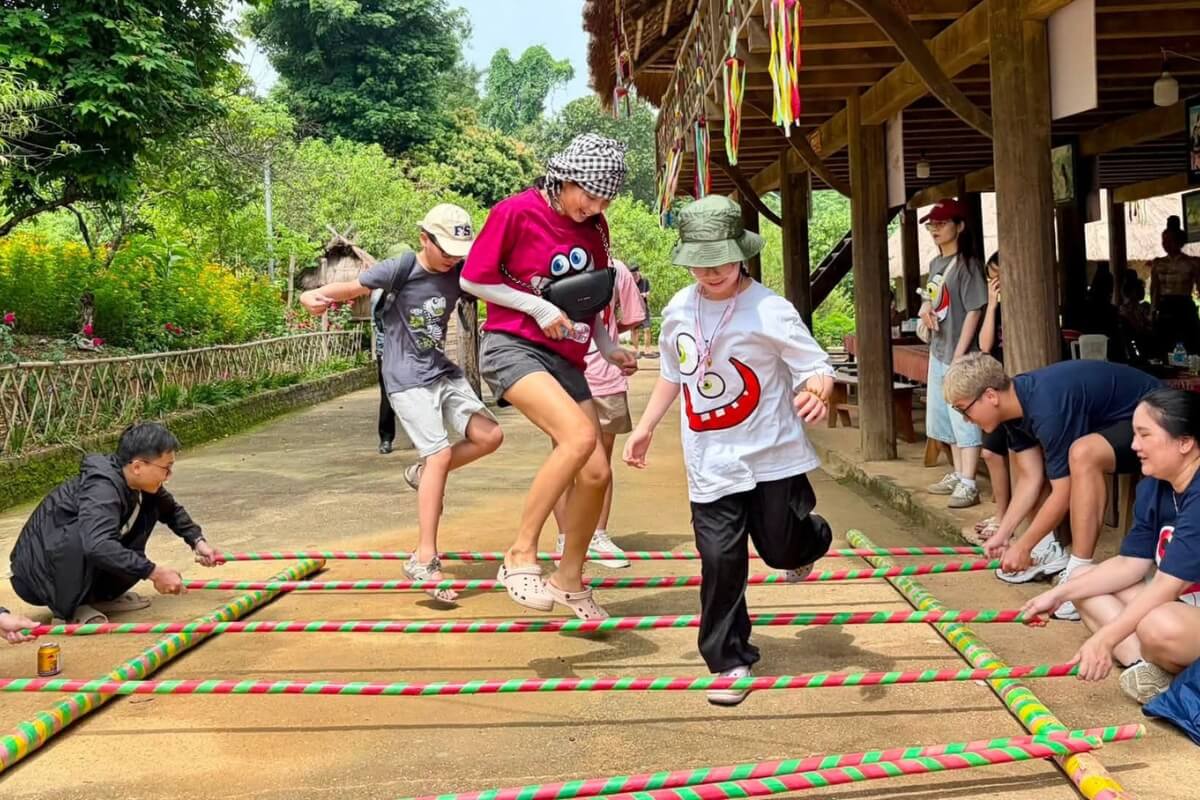
Respectful travel also means recognising that the village is a living community rather than a theme park.
Ask permission before taking photographs, avoid entering private areas without an invitation and follow local instructions during cultural activities. Purchase local products where appropriate and show appreciation for the time and knowledge shared by your hosts.
These small actions can help create a more positive experience for both visitors and residents.
How to Plan a Day Trip to Muong Coc from Hanoi
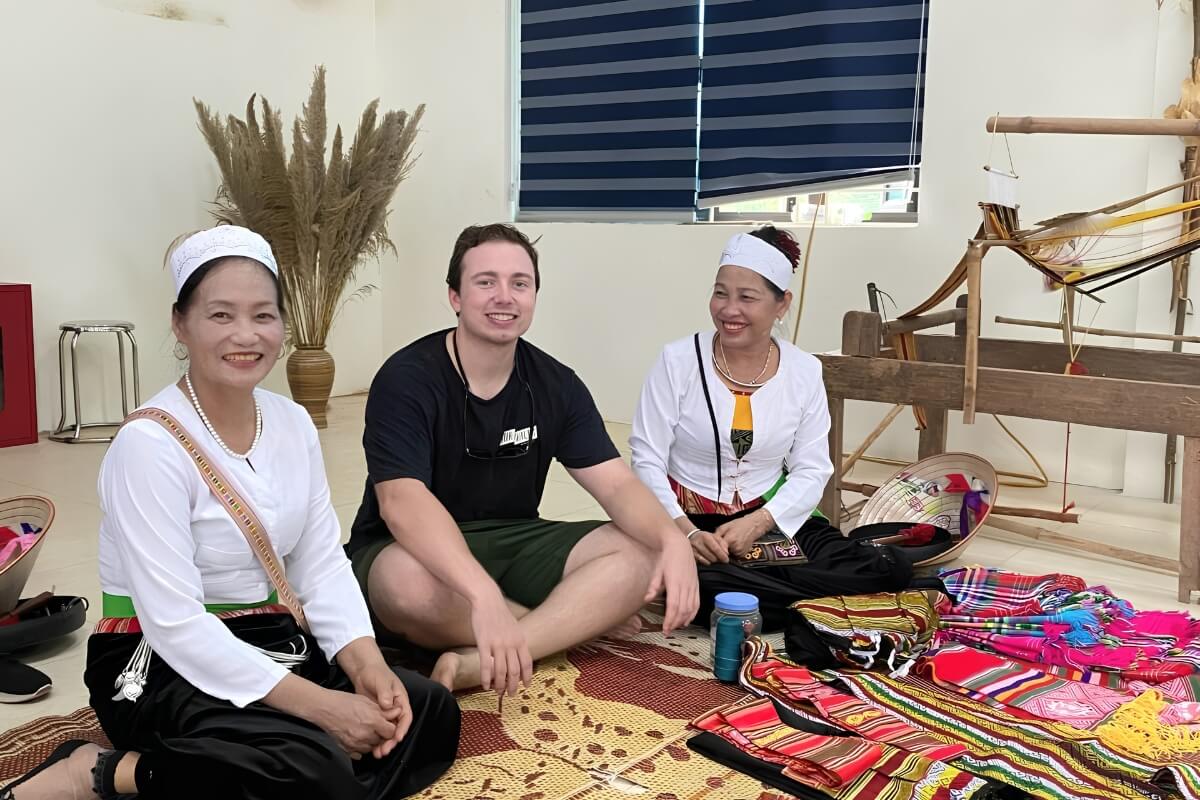
Muong Coc’s location makes it a potential full-day excursion from Hanoi. A little preparation will help you enjoy the experience without feeling rushed.
How to Get to Muong Coc Village
Muong Coc is approximately 60 kilometres from central Hanoi. Travelling by private car or organised tour is generally a convenient option, particularly if your itinerary includes a farmstay, several activities or a countryside lunch.
Travel time varies with traffic, the exact departure point and road conditions. Allow sufficient time for the journey in both directions, especially during weekends and public holidays.
If you are booking an organised experience, confirm the pickup location, departure time, return arrangements and whether transportation is included in the price.
Independent travellers should verify the precise destination and access arrangements with their local host before setting off.
What Is the Best Time to Visit Muong Coc?
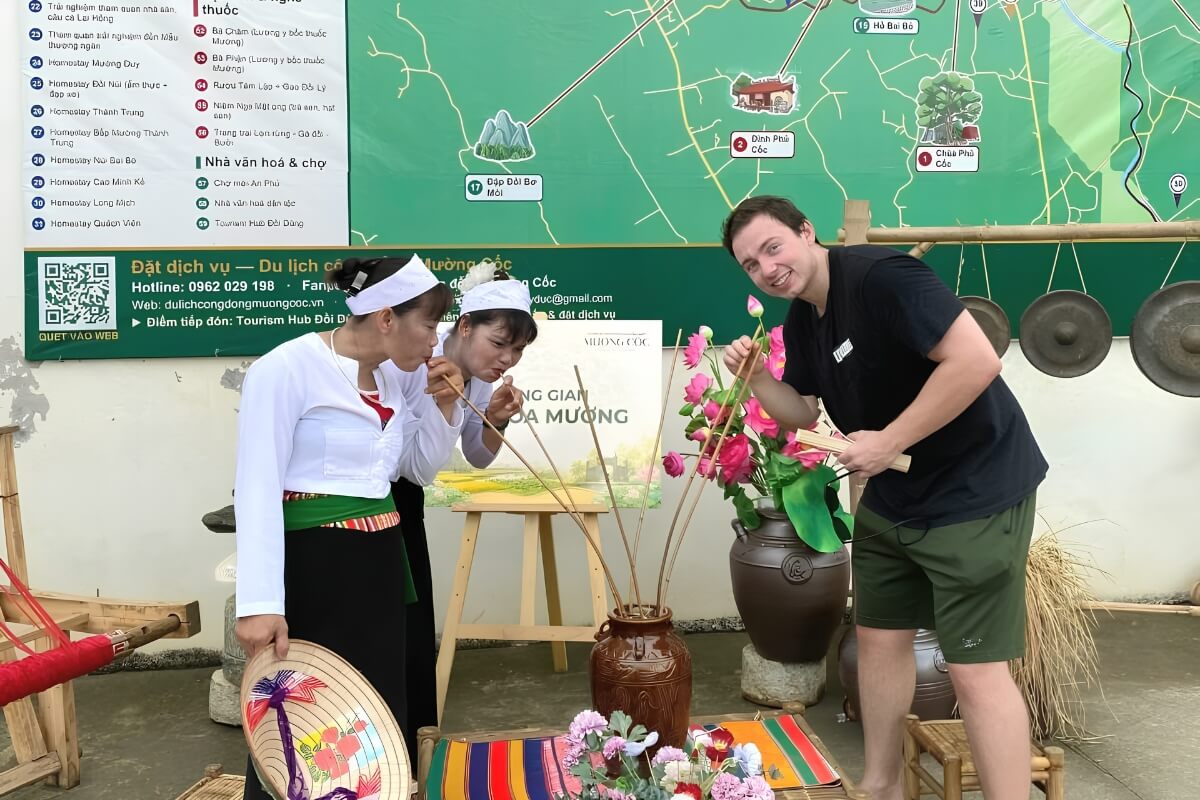
The best time to visit depends on the activities you want to experience.
Seasonal farming experiences, such as lotus harvesting and fruit picking, depend on the growing cycle of the relevant plants. If a particular activity is important to you, contact the organiser before booking to check whether it will be available on your chosen date.
Spring and autumn can be pleasant periods for exploring the countryside, although northern Vietnam’s weather varies from year to year.
Summer brings lush greenery but can also be hot, humid and rainy. Outdoor activities may need to be adjusted according to conditions.
For the most rewarding experience, choose a programme that matches both the season and your interests rather than expecting every activity to be available throughout the year.
What Should You Bring?
Comfortable clothing and shoes are useful for a day that may include walking, gardening, harvesting or cooking.
Bring sun protection, drinking water and a light rain jacket when the forecast suggests changing conditions. If you expect to take part in farm activities, wear clothes that you do not mind getting dirty.
A change of clothing may be helpful if your programme includes working around a lotus pond or other wet environments.
You may also want to bring cash for small purchases, although payment arrangements should be confirmed with the organiser in advance.
Is Muong Coc Suitable for Families and Older Travellers?
Muong Coc can appeal to a broad range of travellers because the experience combines relatively gentle activities with opportunities for deeper cultural discovery.
Families may enjoy cooking, fruit picking and learning about rural life together. Couples can appreciate the countryside setting and the chance to share a meal prepared with local hosts. Older travellers may prefer a programme that focuses on cultural activities, food and relaxation rather than strenuous outdoor pursuits.
The suitability of the experience depends on the specific itinerary, mobility requirements and available facilities. Ask the organiser about walking distances, seating, restroom access and any physical demands before booking if these factors are important to your group.
Muong Coc Village vs. Other Day Trips from Hanoi
Hanoi is surrounded by destinations offering different types of countryside and cultural experiences. Choosing the right one depends on whether you prefer traditional architecture, outdoor activities, ethnic culture or a hands-on introduction to rural life.
Duong Lam Ancient Village is a strong option for travellers interested in historic houses, village lanes and traditional northern Vietnamese architecture.
Ba Vi National Park appeals to visitors who want forest scenery, mountain landscapes, walking and historical remains.
The Vietnam National Village for Ethnic Culture and Tourism offers an introduction to the architecture and traditions of Vietnam’s ethnic communities through cultural spaces and organised activities.
Muong Coc village is particularly attractive if you want to participate in everyday activities rather than simply observe them. Farming, cooking, herbal experiences and cultural exchange can make the visit feel more interactive and personal.
If you have already explored Hanoi’s major attractions and want to spend a day learning about local life, Muong Coc is worth considering as part of your countryside itinerary.
Frequently Asked Questions About Muong Coc Community Tourism Village
Where Is Muong Coc Community Tourism Village Located?
Muong Coc Community Tourism Village is located in My Duc Commune, approximately 60 kilometres from central Hanoi. The surrounding area features green valleys, limestone mountains, agricultural land and villages associated with the Muong ethnic community.
What Can You Do at Muong Coc Village?
Depending on the season and the programme available, visitors may participate in farm activities, harvest lotus flowers or other produce, learn to cook traditional dishes, discover local herbal knowledge, enjoy a herbal foot soak and experience Muong cultural activities such as language introductions and gong performances.
Can You Visit Muong Coc on a Day Trip from Hanoi?
Yes. Muong Coc is close enough to Hanoi to be considered for a full-day excursion. The exact duration depends on traffic, transportation arrangements and the activities included. Confirm the itinerary with your organiser before booking.
What Is Muong Coc Known For?
Muong Coc is known for its countryside landscape and community-based experiences introducing visitors to aspects of Muong culture and rural life. These may include traditional food, farming activities, local knowledge and cultural performances.
Can Visitors Experience Muong Culture at Muong Coc?
Visitors may be able to learn about Muong traditions through local food, language introductions, traditional clothing and music, depending on the programme. These experiences offer an introduction to the community’s heritage rather than a complete representation of all Muong cultural practices.
Is Muong Coc Suitable for International Travellers?
Muong Coc can be a good choice for international travellers interested in cultural discovery, countryside scenery and hands-on activities. Before booking, confirm the language support, transportation, activity schedule and facilities available.
What Should I Know Before Booking a Muong Coc Tour?
Check what the tour includes, whether transportation and meals are provided, which activities are available on your chosen date and whether any additional charges apply. If you have dietary requirements, mobility concerns or specific interests, communicate them to the organiser before confirming your booking.
Experience the Countryside Beyond Hanoi with Hanoi Local Tour
A visit to Muong Coc offers a different way to explore northern Vietnam. Instead of spending the entire day moving between attractions, you can slow down, take part in rural activities, discover traditional flavours and learn about the cultural knowledge that connects a community to its surroundings.
From harvesting seasonal produce and preparing local dishes to discovering traditional music and enjoying a quiet herbal foot soak, the experience brings together several dimensions of countryside life.
For travellers who want more than a conventional sightseeing itinerary, Muong Coc Community Tourism Village offers an opportunity to approach Vietnam through its people, food and traditions.
Planning a trip to Hanoi? Explore the cultural and countryside experiences available through Hanoi Local Tour https://www.hanoilocaltour.com/ and discover more ways to experience the region beyond the capital.
Sometimes, the most meaningful journeys begin when you stop being a spectator and start taking part.