
Hanoi Tourist Attractions - Best Places to Visit in Hanoi, Hanoi Travel Blog - Hanoi Introduction & Information
Luxury Vietnam Travel Budget 2027 – What Does a Private Journey Really Cost?
23
Sep
Sep
The difficult part of budgeting for a high-end Vietnam trip is not finding an expensive hotel. It is understanding what the final price actually includes. Two itineraries can both promise five-star accommodation and private touring, yet differ by thousands of dollars because of room category, guide quality, transfer arrangements, cruise cabins and the amount of support provided during the journey.
Our Vietnam-based team regularly sees travellers arrive with one of two assumptions: either Vietnam should remain inexpensive at every level, or a luxury holiday must cost as much as one in Western Europe. Neither is entirely accurate. Vietnam can deliver excellent value, but genuinely seamless private travel still requires a realistic budget.
This luxury Vietnam travel budget is designed for couples, families and mature travellers planning a private trip in 2027. The figures below are planning ranges in US dollars, not fixed quotations. Hotel rates, airfares and availability change by season, booking date and itinerary.
The Short Answer: How Much Should You Budget?
For a well-designed private journey with five-star hotels, private airport transfers, a dedicated vehicle and guide on touring days, expect approximately:
| Travel style | Estimated cost per person per day | What it generally covers |
| Premium private | US$250–350 | Good five-star hotels, private touring on selected days and comfortable transfers |
| Private luxury | US$350–600 | Strong five-star hotels, private guides and vehicles, curated dining and higher-quality experiences |
| High luxury | US$600–1,000+ | Landmark hotels, premium room categories, exclusive experiences and more intensive personal support |
| Ultra-luxury | US$1,000+ | Top suites or villas, private aviation or yacht elements, buyouts and highly customised access |
International flights are normally excluded. The most useful starting point for a luxury Vietnam travel budget is US$350–600 per person per day, based on two people sharing. Families may reduce the per-person cost when sharing vehicles and guides, although larger suites and connecting rooms can quickly increase accommodation costs.
For most couples, calculate a luxury Vietnam travel budget from the desired experience first, then adjust it against the total afterwards, rather than building it from hotel star ratings alone.
Sample Budgets for 7, 10 and 14 Days
The following totals are realistic planning estimates for private luxury travel, excluding international flights and personal shopping.
| Trip length | Private luxury estimate per person | High-luxury estimate per person |
| 7 days | US$2,450–4,200 | US$4,200–7,000+ |
| 10 days | US$3,500–6,000 | US$6,000–10,000+ |
| 14 days | US$4,900–8,400 | US$8,400–14,000+ |
These totals assume double occupancy. A solo traveller usually pays more because hotel rooms, guides and vehicles are no longer divided between two guests. Conversely, a group of four adults may achieve better value on transport and guiding without sacrificing privacy.
No honest luxury Vietnam travel budget can promise one universal figure. A ten-day Hanoi–Ha Long–Hoi An itinerary is usually less expensive than a ten-day journey involving Con Dao, remote mountain lodges, private villas and several domestic flights.
Accommodation: Usually the Largest Variable
Accommodation can account for 35–50% of the land budget. The hotel name matters, but the room category matters just as much.
As a planning guide for 2027:
- Established five-star city hotels may begin around US$180–350 per room per night.
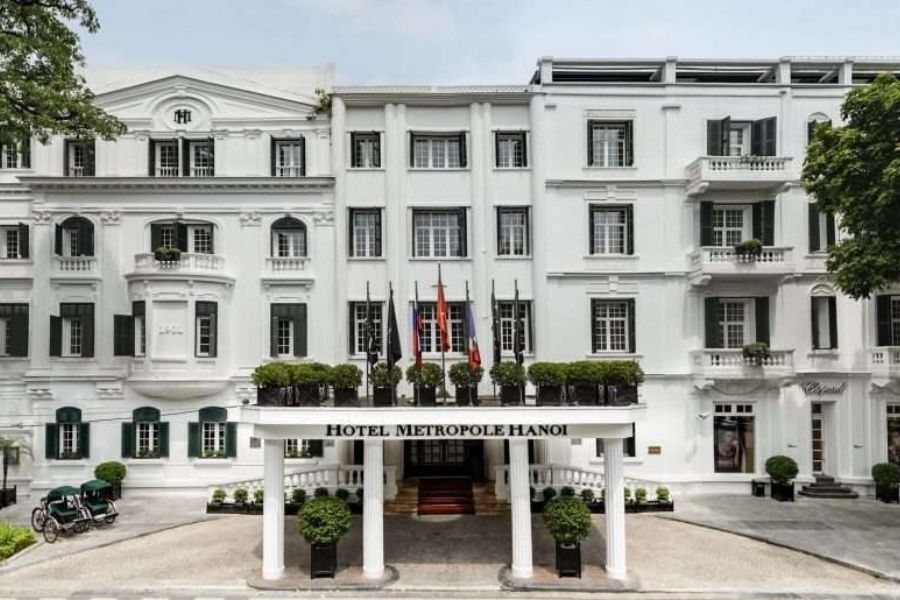
- Landmark luxury hotels commonly fall around US$350–700 or more.
- Premium beach resorts may range from US$400 to over US$1,000 per night.
- Pool villas, multi-bedroom residences and signature suites can exceed US$1,500 per night.
Taxes, breakfast and flexible cancellation are not always included in the first rate displayed online. During Christmas, New Year, Tet and major local events, compulsory dinners or minimum stays may also apply.
When comparing hotels, a luxury Vietnam travel budget needs to use the final payable rate, including taxes and required supplements, rather than the most attractive rate shown in search results.
From our experience planning multi-stop trips, the most common mistake is selecting the highest room category in every destination. That often consumes the luxury Vietnam travel budget without improving the overall journey. A better approach is to choose one or two standout stays-perhaps a heritage hotel in Hanoi or a private pool villa on the coast-then use well-located entry-level rooms at other five-star properties.
What Is Worth Paying Extra for at a Hotel?
Pay more for a view when the view is central to the experience, such as Ha Long Bay, a beachfront resort or a river-facing heritage stay. Club access can also be worthwhile for families or travellers who expect to spend time at the hotel.
Upgrading purely for additional floor space is less valuable when the itinerary involves full touring days. Always compare the exact benefits: breakfast, lounge access, laundry, airport transfer, early check-in and cancellation terms.
Private Guides and Vehicles
A private guide and vehicle are among the best uses of a luxury Vietnam travel budget, especially in Hanoi, Hue, Hoi An and Ho Chi Minh City. The benefit is not simply avoiding a group. A strong guide adjusts the pace, interprets cultural context and coordinates practical details throughout the day.
For planning purposes, private guiding with a suitable vehicle may cost approximately US$150–320 per day, depending on destination, duration, vehicle type, guide language and group size. Specialist guides or less common languages generally cost more.
Airport transfers may range from roughly US$30–100 per vehicle, while longer intercity transfers can cost US$120–350 or more. Late-night arrivals, premium vehicles, remote locations and holiday periods can change the rate.
We do not recommend automatically booking the largest luxury vehicle. In historic districts and narrow streets, a comfortable mid-sized vehicle can be more practical. The right vehicle is the one that fits the travellers, luggage and route-not the one with the most impressive marketing name.
A balanced luxury Vietnam travel budget therefore treats guiding and transport as practical service decisions, not status upgrades that must always use the most expensive option.
Domestic Flights
Vietnam is long and narrow, so most ten-day or fourteen-day itineraries require at least one domestic flight. Economy fares can range from around US$70–250 per person per sector once checked baggage and a sensible fare class is included. Business-class fares may be considerably higher.
Short domestic business-class flights are not always the best upgrade. Priority check-in, lounge access and additional baggage can be useful, but the onboard experience is brief. Travellers working within a defined luxury Vietnam travel budget may receive more value by keeping economy flights and spending the difference on a better hotel, guide or cruise cabin.
Allow contingency time when connecting to an international departure. A beautifully planned trip can end badly if a tight same-day domestic connection is disrupted by weather or operational changes.
Cruises and Luxury Trains
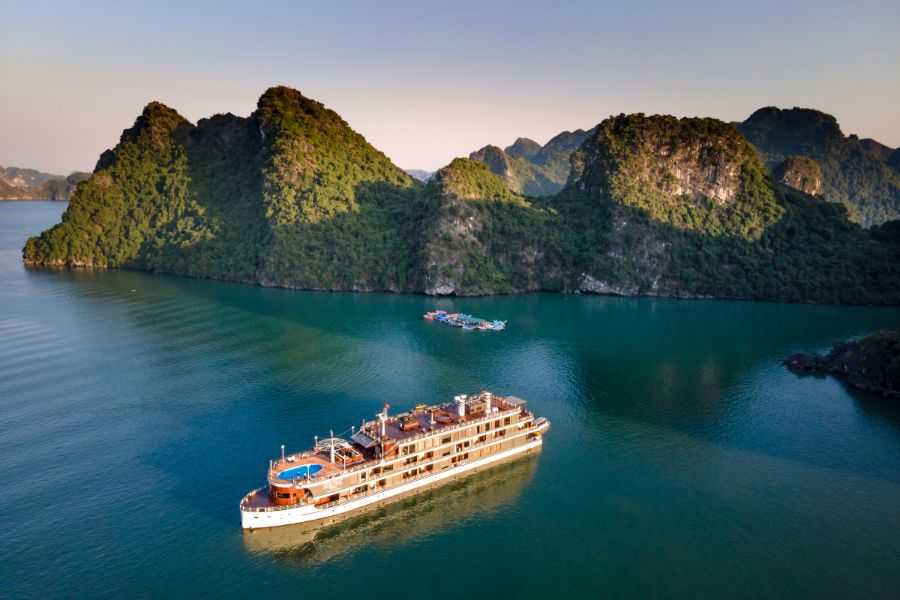
Ha Long Bay and Lan Ha Bay cruises vary widely in vessel quality, cabin size, route and service. A premium overnight cabin might cost US$300–800 for two people, while top suites and private charter arrangements can go much higher. Check whether transfers, drinks, kayaking, spa treatments and private dining are included.
For rail travel, a standard overnight sleeper and a dedicated luxury train are completely different products. Luxury rail journeys can include private cabins, all meals, drinks, guided excursions and multi-day accommodation. They should be treated as a major experience within the luxury Vietnam travel budget, not compared only with the price of a flight or regular train ticket.
The honest question is whether the journey itself matters to you. If the purpose is simply reaching the next city quickly, fly. If slow travel, scenery and onboard service are central to the holiday, the higher rail cost may be justified.
Food and Dining
Vietnam offers exceptional food at almost every price level. A bowl of pho and an elaborate tasting menu can both belong in the same luxury trip.
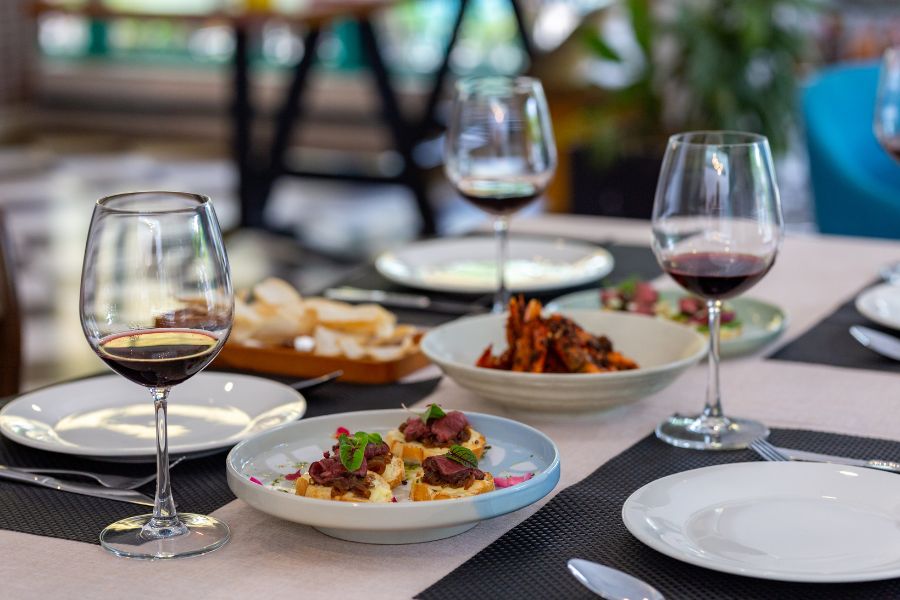
As a broad guide:
- Casual local meal: US$5–15 per person
- Polished Vietnamese restaurant: US$20–50 per person
- Fine-dining or tasting menu: US$80–200+ per person
- Premium hotel dining with wine: highly variable and often above local restaurant pricing
A realistic luxury Vietnam travel budget should not assume every dinner needs to be formal. After a full day of touring, many travellers genuinely prefer a relaxed local restaurant. We usually recommend reserving elaborate dining for one or two meaningful evenings rather than turning every meal into a scheduled event.
Alcohol is one area where costs rise quickly. Imported wine and spirits can significantly increase a restaurant bill, particularly in luxury hotels and resorts.
Experiences and Entrance Fees
Standard museum and heritage-site entrance fees are relatively modest. The higher costs come from private access, specialist hosts, premium boats, seaplane flights, wellness programs, photography sessions or experiences requiring exclusive arrangements.
Budget approximately US$50–150 per person for a high-quality private food, craft or cultural experience. More specialised activities can run into several hundred dollars per person, while private charters and aviation experiences can cost substantially more.
This is where personal priorities should shape the luxury Vietnam travel budget. A food-focused couple may value a chef-led experience, while a family may gain more from a flexible private boat and guide. Do not add expensive activities simply because they appear in a sample itinerary.
What Commonly Gets Left Out of the First Estimate?
The following costs regularly surprise travellers:
- Visa or entry-related expenses where applicable
- Travel insurance
- Tips for guides, drivers and cruise staff
- Spa treatments and resort activities
- Imported drinks
- Laundry
- Early check-in or late check-out
- Seasonal supplements and compulsory gala dinners
- Additional baggage on domestic flights
- Credit-card or currency-conversion charges
- Private transfers not clearly included in the itinerary
We recommend keeping a contingency of 10–15% above the confirmed trip price. It allows for personal choices, schedule changes, and experiences discovered during the journey.
Keeping these items visible makes a luxury Vietnam travel budget more accurate and prevents small extras from becoming an unpleasant surprise at the end of the trip.
Any trustworthy luxury Vietnam travel budget should clearly separate included services, optional upgrades and personal expenses.
Where Spending More Makes a Noticeable Difference
Hotel Location
A well-located hotel reduces transfer time and makes free evenings easier. In Hanoi and Ho Chi Minh City, this can be more valuable than a larger room far from the places you want to visit.
A Strong Private Guide
The difference between a guide who recites facts and one who reads the group, explains context and solves problems is significant. This is rarely the right place to choose the cheapest option.
The Right Cruise Cabin
On an overnight cruise, cabin position, balcony, noise and view directly affect the experience. Ask for the vessel name and cabin category, not simply “five-star cruise.”
Reliable On-Trip Support
When a flight changes or weather affects a boat, access to a responsive local team matters. Support is part of the product even when everything runs smoothly.
Where You Can Save Without Making the Trip Feel Cheap
Use economy class for short domestic flights when schedules are convenient. Mix formal dining with excellent local restaurants. Choose entry-level rooms in hotels where public areas, service and location are the main attraction. Limit private guiding to days when interpretation adds real value, and leave selected afternoons free.
We often prepare two versions of the same itinerary: one with every attractive upgrade, and another that protects the experiences guests care about most. The second version is usually better. A disciplined luxury Vietnam travel budget creates contrast; it does not try to make every hour equally expensive.
Seasonal Factors That Change the Price
December and January can be busy, particularly around Christmas and New Year. Tet creates limited availability and operational changes. Beach destinations have their own peak periods, while local public holidays can affect transport and resort occupancy.
Booking earlier improves choice but does not guarantee the lowest rate. Flexible hotel policies may cost more than non-refundable offers, yet they can protect a substantial investment if plans change.
For a multi-generational family or a trip requiring connecting rooms, begin planning nine to twelve months ahead. Couples with flexible dates may have more room to compare options six to nine months before departure. The timing of payment also matters: some cruises, villas, and special experiences require non-refundable deposits.
These conditions should be built into the luxury Vietnam travel budget from the beginning rather than added after the preferred hotels have been selected.
How to Request an Accurate Quote
Provide more than destinations and dates. A travel planner needs to know:
- Number and age of travellers
- Preferred room configuration
- Approximate spending range
- Desired hotel style
- Mobility or dietary requirements
- Preferred pace
- Experiences worth prioritising
- Whether domestic flights should be economy or business class
- Special occasions
It is also useful to explain what you do not value. If spa treatments, formal dining or nightlife are unimportant, the budget can be redirected toward private cultural access, a better cruise or additional space for the family.
Because season, hotel category and itinerary complexity all affect the final figure, Vietnam Luxury Tourism’s travel experts can prepare a realistic proposal based on the way you actually want to travel.
A detailed request produces a more accurate luxury Vietnam travel budget and reduces the cycle of quoting, removing and replacing services.
The final luxury Vietnam travel budget should clearly reflect what matters to the travellers, not simply reproduce the most expensive version of a standard itinerary.
Frequently Asked Questions
Is Vietnam Expensive for Luxury Travellers?
Vietnam often provides strong value compared with many long-haul luxury destinations, particularly for private guiding, local dining and high-quality city hotels. However, top resorts, villas, cruises and exclusive transport can reach international luxury pricing.
Is US$350 Per Person Per Day Enough?
It can be a realistic starting point for two people sharing good five-star accommodation with private services on selected days. Peak-season travel, landmark hotels and premium room categories may require more. Your luxury Vietnam travel budget should also leave room for personal expenses and optional experiences.
Should International Flights Be Included?
Most land-tour estimates exclude flights to and from Vietnam. Always confirm whether domestic flights are included, as wording differs between operators.
How Much Should We Tip?
Tipping is discretionary but appreciated in tourism. The appropriate amount depends on group size, service quality and trip length. Ask for current guidance before travelling and keep cash available for guides, drivers and cruise staff.
Can Families Reduce the Per-Person Cost?
Families can share guides and vehicles, which may reduce the per-person cost. Accommodation can work in the opposite direction when connecting rooms or multi-bedroom villas are required.
Final Thoughts
The best luxury trip is not the itinerary with the largest total. It is the one where spending reflects personal priorities. Pay for the hotel location that saves time, the guide who adds genuine understanding, the cabin that improves an overnight journey, and the support team that can respond when plans change.
Use US$350–600 per person per day as an initial private-luxury range, then adjust for season, room category and special experiences. Keep a 10–15% contingency and insist on a clear list of inclusions.
The purpose of a luxury Vietnam travel budget is not to remove spontaneity. It is to make the important parts secure enough that you can enjoy the journey without constantly calculating what comes next.