
Hanoi Travel Blog - Hanoi Introduction & Information
Vietnam Ranks Among the Top 10 Most Beloved Countries in the World in 2026
15
Oct
Oct
Vietnam has earned a place among the world’s most beloved travel destinations in 2026, ranking 10th in the Condé Nast Traveler Readers’ Choice Awards with an impressive score of 92.99. The recognition reflects international travelers’ growing appreciation for Vietnam’s extraordinary landscapes, centuries-old cultural heritage, distinctive cuisine, and the warmth of its people.
From the historic streets of Hanoi and the spectacular limestone formations of Ha Long Bay to the lantern-lit lanes of Hoi An and the tropical beaches of Phu Quoc, Vietnam offers a remarkable variety of experiences within one country. Visitors can explore ancient temples, cruise through peaceful waterways, discover traditional crafts, sample regional specialties, and experience everyday Vietnamese life. For travelers eager to discover the capital’s rich heritage, vibrant street food scene, and hidden cultural gems, exploring Hanoi tours is an excellent way to experience the authentic charm of northern Vietnam.
Vietnam Ranks 10th in Condé Nast Traveler’s 2026 Readers’ Choice Awards
Vietnam has been named the 10th most beloved country in the world in the 2026 Readers’ Choice Awards published by Condé Nast Traveler, a renowned American travel magazine.
Announced on October 6, 2026, the ranking awarded Vietnam a score of 92.99, placing it among 20 countries selected by the magazine’s readers. The results recognize destinations that have made a lasting impression on travelers through their distinctive character and overall appeal.
The top 10 countries in the 2026 ranking were Japan, Italy, Ireland, Cambodia, Spain, Portugal, France, Greece, Panama, and Vietnam.
Vietnam’s position is particularly encouraging for a country whose appeal extends across several different travel styles. It attracts visitors interested in cultural discovery, culinary adventures, nature, coastal relaxation, and journeys through historic cities and rural communities.
The award also matters because Vietnam isn’t defined by a single iconic attraction. Instead, its appeal emerges from the relationship between its landscapes, traditions, regional identities, cuisine, and contemporary way of life.
Why Is Vietnam One of the World’s Most Beloved Travel Destinations?
Vietnam’s international appeal comes from the diversity of experiences available across its regions. The country combines vibrant urban centers with peaceful countryside, dramatic mountains with tropical islands, and historic architecture with a dynamic contemporary culture.
For many international visitors, this diversity makes Vietnam particularly rewarding. A single journey can include early-morning walks beside a historic lake, a guided exploration of ancient architecture, a regional food experience, and several days relaxing beside the sea.
1. Remarkable Landscapes from Mountains to Coastlines
Vietnam stretches along the eastern edge of mainland Southeast Asia, creating a varied landscape that changes considerably from north to south.
In the north, travelers can explore the limestone scenery of Ninh Binh, the mountain landscapes of Ha Giang, and the emerald waters surrounding Ha Long Bay. These destinations offer opportunities for boat trips, scenic drives, hiking, photography, and encounters with rural communities.
Central Vietnam presents a different atmosphere. The region combines coastal cities, long sandy beaches, historic towns, and cultural landmarks. Da Nang is known for its coastline and modern amenities, while Hoi An offers a more intimate setting shaped by traditional architecture, riverside streets, and craft heritage.
Further south, visitors can discover the energy of Ho Chi Minh City, the waterways of the Mekong Delta, and the tropical island atmosphere of Phu Quoc.
The contrast between these landscapes makes Vietnam suitable for travelers with different interests. Nature enthusiasts can spend time in the mountains or wetlands, while those seeking a more relaxed holiday can combine cultural sightseeing with beach stays and comfortable resorts.
2. A Rich Cultural Heritage Shaped by Centuries of History
Vietnam’s cultural identity reflects centuries of local traditions, regional diversity, and historical influences.
Throughout the country, temples, pagodas, communal houses, ancient streets, traditional markets, and historic buildings offer insights into the lives of earlier generations.
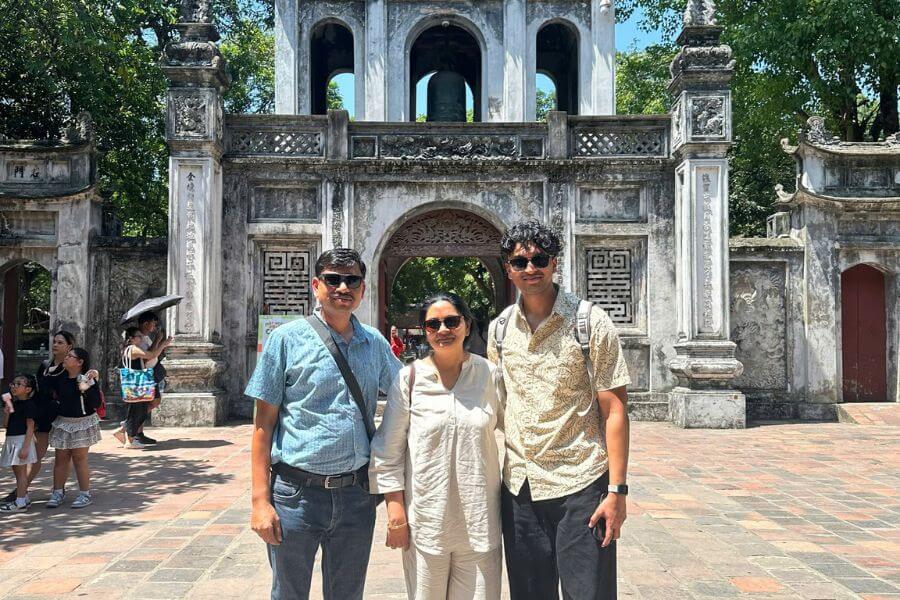
In Hanoi, the capital’s long history remains visible in the Old Quarter, where narrow streets preserve the memory of traditional trades and commercial communities. The Temple of Literature provides a glimpse into Vietnam’s educational traditions, while the Imperial Citadel of Thang Long offers a deeper understanding of the country’s former political and royal center.
Central Vietnam presents another layer of history. Hue is closely associated with the Nguyen Dynasty and its imperial heritage, while Hoi An preserves an architectural landscape shaped by centuries of trade and cultural exchange.
For travelers interested in understanding a destination rather than simply photographing its landmarks, these places offer valuable context. A knowledgeable local guide can explain the historical events, beliefs, and customs that give each location its meaning.
Cultural experiences can also extend beyond monuments. Visiting a craft workshop, observing traditional food preparation, or learning about local customs can help visitors appreciate how heritage continues to influence everyday life.
3. Vietnamese Cuisine That Reflects Regional Identity
Food is one of the most memorable ways to experience Vietnam.
Although dishes such as pho and banh mi are internationally recognized, Vietnamese cuisine is much more diverse than these familiar favorites. Each region has its own ingredients, cooking traditions, flavor combinations, and dining customs.
Northern Vietnamese cuisine often emphasizes balance, fresh herbs, and subtle seasoning. In Hanoi, visitors can try pho, bun cha, cha ca, and traditional egg coffee. These dishes provide a delicious introduction to the capital’s distinctive food culture.
Central Vietnam is known for its vibrant culinary traditions. Hue is associated with dishes that reflect its former imperial heritage, while Hoi An offers regional specialties such as cao lau noodles and local wonton variations.
Southern Vietnamese cuisine often features a broader balance of sweet, savory, and fresh flavors, influenced by the region’s agricultural abundance and waterways.
Food experiences also reveal how Vietnamese people socialize. Meals may take place in family-run restaurants, busy neighborhood eateries, market stalls, or contemporary dining spaces.
For international visitors, a guided food tour can make these experiences easier to navigate. A local guide can explain unfamiliar dishes, introduce regional ingredients, and help travelers understand how particular foods fit into the city’s culinary traditions.
4. Warm Hospitality and Meaningful Local Encounters
Travel memories are often shaped by people as much as places.
In Vietnam, visitors can encounter a wide range of local experiences, from observing vendors preparing breakfast in the early morning to meeting artisans who continue traditional crafts or joining a cooking activity led by a local host.
These encounters can make a destination feel more personal. Rather than moving from one attraction to another, travelers gain opportunities to understand how people work, eat, celebrate, and maintain their traditions.
The most rewarding experiences are often those that allow time for genuine observation and conversation. A guided walk through a historic neighborhood, for example, can reveal details that might otherwise go unnoticed, including architectural features, traditional businesses, and the changing role of particular streets.
Responsible travel also means approaching these interactions with respect. Visitors should ask permission before photographing people, follow local guidance at religious sites, and remain considerate of residential communities.
When travelers engage thoughtfully with local culture, they contribute to more meaningful exchanges and gain a deeper appreciation of Vietnam’s everyday life.
Best Places to Visit in Vietnam in 2026-2027
Vietnam’s regional diversity makes it possible to create very different itineraries depending on the time available, personal interests, and preferred pace of travel.
For a first visit, combining Hanoi with one or two destinations in northern or central Vietnam can provide a balanced introduction to the country’s culture, landscapes, and cuisine.
Hanoi: Discover Vietnam’s Historic Capital
Hanoi is one of the most rewarding places to begin a Vietnam journey, particularly for travelers interested in history, architecture, and local food.
The city combines centuries-old traditions with contemporary urban life. Around Hoan Kiem Lake, residents exercise, meet friends, and enjoy the changing atmosphere throughout the day. Nearby, the Old Quarter reveals a network of narrow streets, traditional shops, local eateries, and historic buildings.
Each neighborhood offers a different perspective on the city. Visitors can explore the Temple of Literature, learn about Vietnam’s history at the Imperial Citadel of Thang Long, or discover the capital’s artistic character through galleries and traditional craft workshops.
Hanoi is also an excellent destination for food lovers. A culinary exploration may include pho, bun cha, banh cuon, Vietnamese coffee, and regional specialties that are best understood in their local setting.
For travelers who want to go beyond the main attractions, guided Hanoi walking tours and Hanoi food tours offer opportunities to discover the stories, traditions, and hidden corners that make the capital distinctive.
The city is especially appealing to visitors who enjoy exploring at a comfortable pace, combining guided sightseeing with time for independent discovery.
Ha Long Bay: Experience Vietnam’s Iconic Seascape
Ha Long Bay is among Vietnam’s most recognizable natural destinations, celebrated for its limestone islands and dramatic coastal scenery.
A cruise through the bay offers a different perspective on the landscape, with opportunities to admire the rock formations, visit selected caves, and enjoy the changing colors of the water and sky.

Depending on the itinerary, visitors may also explore quieter areas, participate in kayaking activities, or spend a night aboard a cruise vessel.
Ha Long Bay works particularly well as an addition to a northern Vietnam itinerary. Travelers can combine a stay in Hanoi with an overnight cruise or a longer journey that includes other destinations in the region.
When choosing a cruise, it is worth comparing the route, cabin quality, onboard facilities, activity schedule, and transfer arrangements rather than making a decision based on the headline price alone.
Ninh Binh: Discover Limestone Mountains and Rural Landscapes
Ninh Binh offers a quieter contrast to Hanoi’s busy streets.
Known for its limestone formations, waterways, temples, and countryside, the region provides opportunities to experience northern Vietnam’s natural scenery at a slower pace.
A boat journey through Trang An or Tam Coc allows visitors to pass between towering limestone cliffs, agricultural landscapes, and cave systems. The experience is particularly appealing to travelers who enjoy photography and scenic exploration.
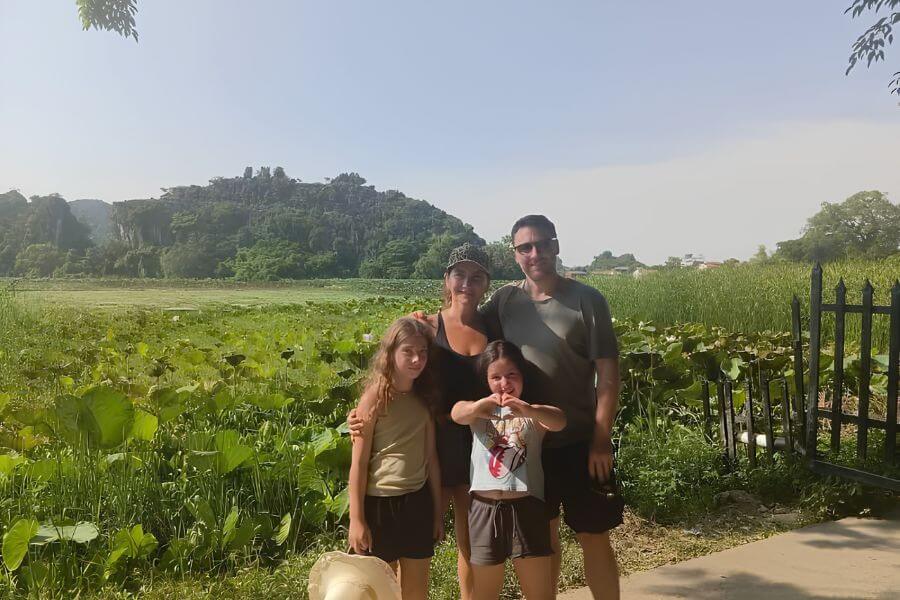
The region also contains historic and cultural landmarks, including Hoa Lu, the former capital of Vietnam during the Dinh and Early Le dynasties.
For visitors with limited time, a well-planned day trip from Hanoi can combine a boat excursion with selected cultural sites. Travelers who prefer a more relaxed itinerary may choose to stay overnight and explore the countryside without rushing between attractions.
Hoi An: Explore Ancient Streets and Traditional Crafts
Hoi An is known for its preserved historic architecture, riverside setting, and distinctive cultural atmosphere.
The Ancient Town features traditional merchant houses, assembly halls, temples, and narrow streets that reflect its history as an important trading port.
In the evening, lanterns illuminate the streets and create a memorable atmosphere for walking, dining, and photography.
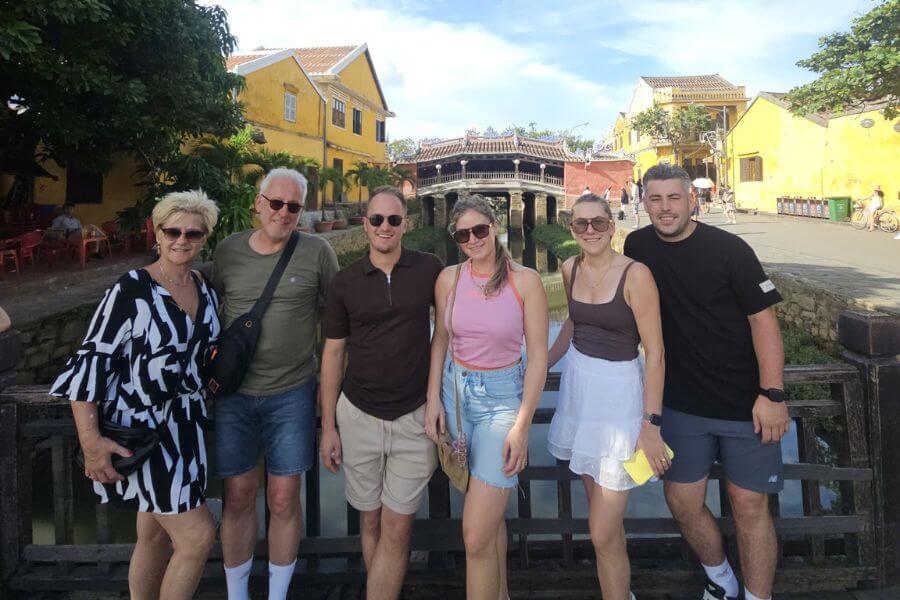
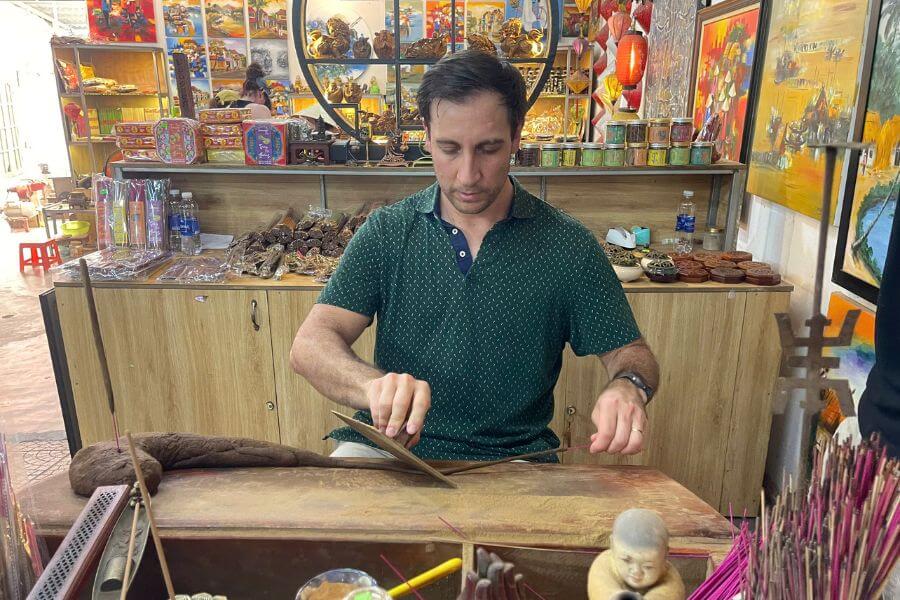
Beyond sightseeing, Hoi An offers opportunities to explore traditional crafts, visit local markets, join cooking classes, and discover the surrounding countryside.
Visitors can also experience the relationship between food, agriculture, and local life through activities that introduce regional ingredients and traditional preparation methods.
Hoi An is particularly suitable for travelers who want to combine cultural discovery with leisurely dining, shopping, and time to explore independently.
Hue: Understand Vietnam’s Imperial Heritage
Hue provides a deeper look into Vietnam’s royal history.
As the former imperial capital of the Nguyen Dynasty, the city is home to the Imperial City, royal tombs, pagodas, and historic structures associated with the country’s last imperial dynasty.
The Perfume River adds to Hue’s atmosphere, while the city’s culinary traditions offer another reason to visit.
Travelers interested in architecture and history can spend time exploring the imperial complex and learning how the royal court influenced art, design, ceremonies, and cuisine.
Hue is also a valuable addition to a central Vietnam itinerary, particularly when combined with Da Nang and Hoi An.
Da Nang: Combine Coastal Relaxation with Cultural Exploration
Da Nang appeals to travelers looking for a balance between city amenities, beaches, and nearby cultural attractions.
The city offers a long coastline, a range of accommodation options, and convenient access to several destinations in central Vietnam.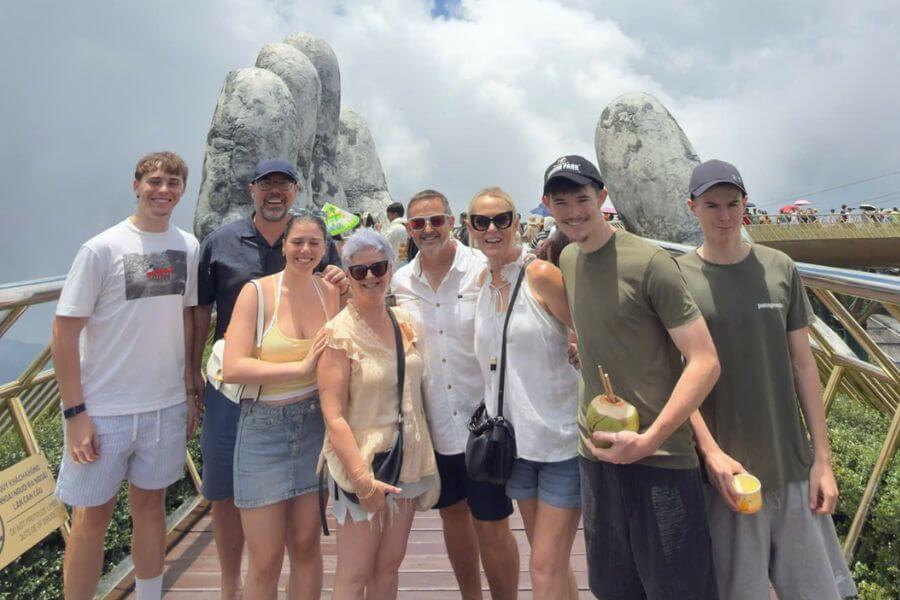
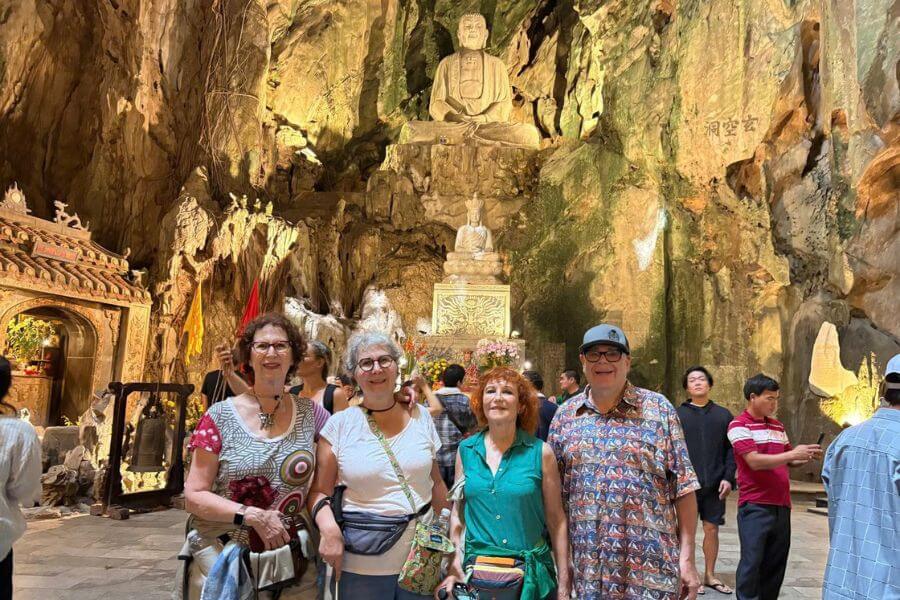
Visitors can spend time at My Khe Beach, explore the Marble Mountains, or use Da Nang as a base for trips to Hoi An and other regional attractions.
Its modern hospitality infrastructure makes the city suitable for travelers who prefer comfortable accommodation and flexible sightseeing arrangements.
For a more varied holiday, Da Nang can be combined with a cultural stay in Hoi An, creating a balance between urban convenience, coastal relaxation, and heritage experiences.
Phu Quoc: Enjoy a Tropical Island Escape
Phu Quoc offers a different side of Vietnam, with beaches, island scenery, and resort-style accommodation.
It is an appealing option for travelers who want to finish a cultural journey with several days of relaxation.
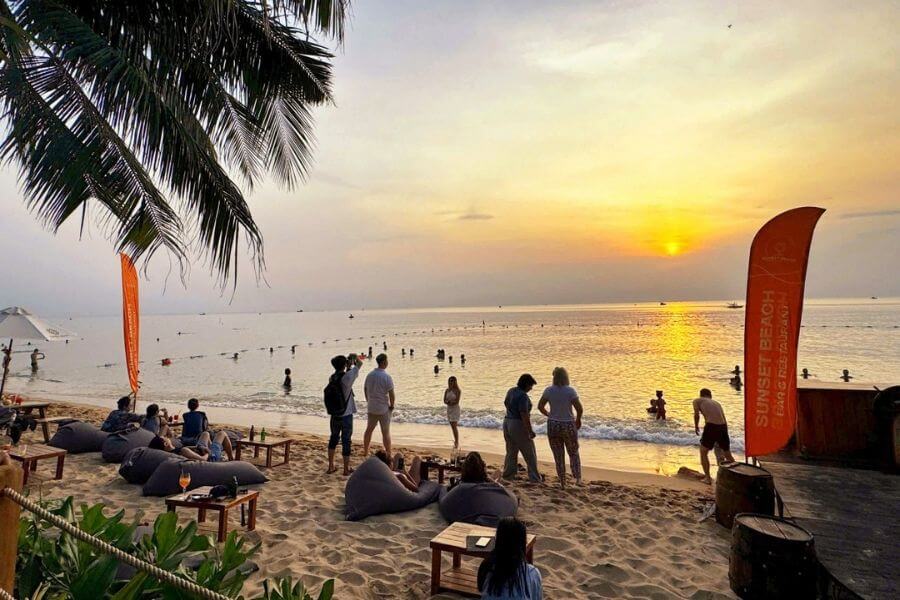
Depending on the season and chosen location, visitors can enjoy beach time, boat excursions, local seafood, and opportunities to explore the island’s natural surroundings.
For a longer Vietnam holiday, combining northern cultural destinations with a central Vietnam stop and a final stay on Phu Quoc can create a varied itinerary without concentrating the entire trip on sightseeing.
Best Time to Visit Vietnam in 2026-2027
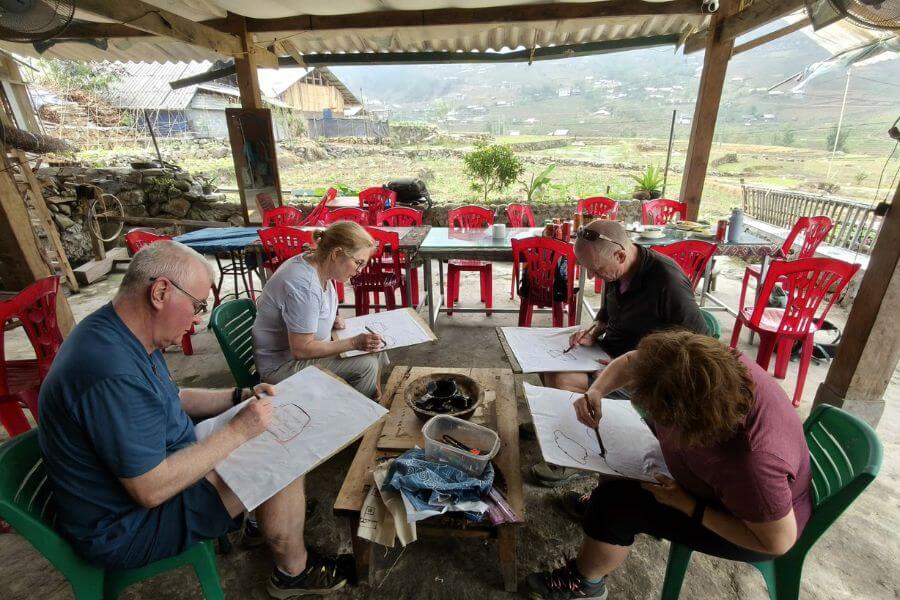
Vietnam has a varied climate, and weather conditions differ significantly between the north, central coast, and south.
For this reason, the best time to visit depends on which regions travelers plan to explore.
Northern Vietnam
Northern destinations such as Hanoi, Ninh Binh, and Ha Long Bay experience distinct seasonal changes.
Autumn, generally from September to November, is often considered an appealing period for exploring Hanoi because temperatures become more comfortable and conditions are frequently suitable for walking and sightseeing.
Spring can also be pleasant, although weather may be cool, humid, or misty at times.
Summer is typically hot and humid, with periods of heavy rain. Travelers visiting during this season should allow some flexibility in their schedules and prepare for changing conditions.
Central Vietnam
Central Vietnam has a different weather pattern from the north.
Da Nang and Hoi An are often attractive destinations during the drier months, although exact conditions vary from year to year.
The central coast can experience substantial rainfall and storm activity during parts of the later wet season. Travelers should check regional forecasts before arranging beach activities or excursions.
Southern Vietnam
Southern Vietnam generally has a tropical climate, with a wetter period and a drier period.
Ho Chi Minh City and the Mekong Delta can be visited throughout the year, although rainfall may affect outdoor activities during the wet season.
Phu Quoc also has seasonal differences that can influence sea conditions and boat excursions.
For a multi-region itinerary, travelers should compare the conditions in each destination rather than assume that one season is equally suitable for the entire country.
How to Plan a Memorable Vietnam Travel Itinerary
Vietnam’s length and regional diversity make itinerary planning important, especially for visitors arriving from Europe, North America, or Australia.
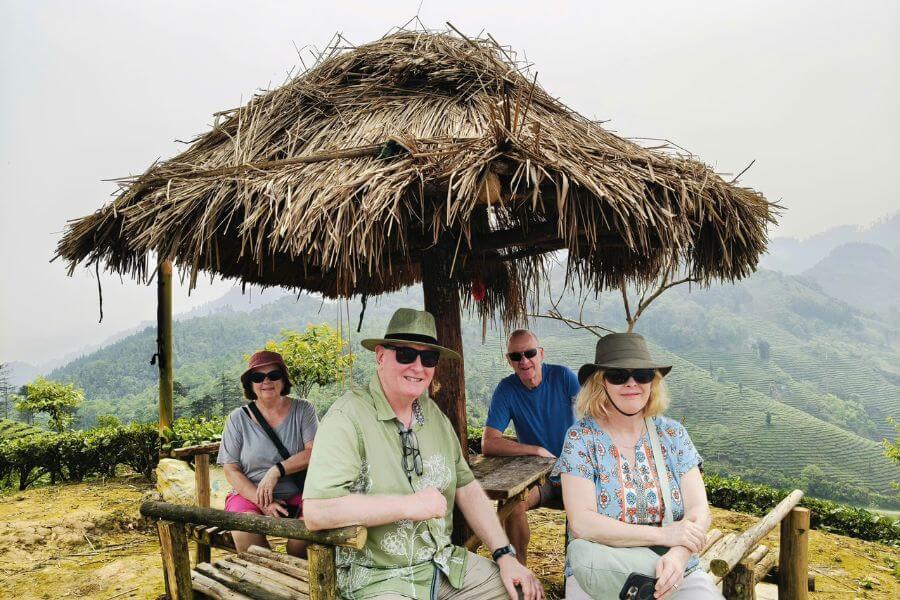
Trying to cover too many destinations in a short period can result in long transfers and limited time to enjoy each location.
A more rewarding approach is to choose a manageable number of destinations and allow enough time for cultural experiences, meals, and independent exploration.
A 5-Day Northern Vietnam Itinerary
For travelers with five days, Hanoi can serve as the main base.
Spend the first two days exploring the capital, including the Old Quarter, Hoan Kiem Lake, selected historical landmarks, and local food experiences.
Use the third day for a guided excursion to Ninh Binh, where a boat journey and cultural sites introduce visitors to the region’s limestone landscapes and history.
On the fourth and fifth days, travel to Ha Long Bay for a cruise experience, depending on the departure schedule and preferred overnight arrangements.
This itinerary combines city culture, regional cuisine, and natural scenery without requiring a flight between every destination.
A 7-Day Vietnam Itinerary
A seven-day journey can include Hanoi, a northern excursion, and central Vietnam.
Begin with two days in Hanoi to discover the capital’s historic neighborhoods, food culture, and major landmarks.
Continue with a day trip or overnight stay in Ninh Binh, followed by travel to central Vietnam.
Spend the next two or three days exploring Hoi An and Da Nang, balancing historic sightseeing with time at the beach or in the surrounding countryside.
Because domestic transfers require time, it is important to confirm flight schedules and account for airport transfers before finalizing the itinerary.
A 10-Day Vietnam Itinerary
With ten days, travelers have more flexibility to explore several regions.
A possible route begins in Hanoi, continues to Ninh Binh and Ha Long Bay, and then travels south to central Vietnam.
After exploring Hoi An and Da Nang, travelers can continue to Ho Chi Minh City or choose a relaxing beach stay, depending on their interests.
The best itinerary will depend on arrival and departure airports, travel dates, preferred accommodation, and the balance between sightseeing and relaxation.
For travelers who value comfort, private transfers and carefully coordinated excursions can reduce logistical complexity and create more time for the experiences themselves.
Practical Tips for International Travelers Visiting Vietnam
A little preparation can make a Vietnam holiday more comfortable and rewarding.
Check entry requirements before departure. Visa eligibility and permitted lengths of stay depend on nationality, passport conditions, and the applicable entry policy. Consult official immigration information before booking non-refundable travel arrangements.
Choose accommodation according to your itinerary. In Hanoi, staying near the Old Quarter or Hoan Kiem Lake can provide convenient access to restaurants, cultural attractions, and walking routes. Travelers seeking a quieter atmosphere may prefer accommodation outside the busiest streets.
Allow enough time for transfers. Traffic conditions, domestic flights, and road journeys can affect daily schedules. Avoid arranging tightly connected activities when delays would create unnecessary stress.
Respect local customs. When visiting temples and pagodas, wear appropriate clothing, follow posted guidance, and behave respectfully. Ask permission before photographing people, particularly in private or religious settings.
Communicate dietary requirements. Vietnamese cuisine includes a variety of ingredients and sauces. Travelers with allergies or specific dietary needs should explain their requirements clearly to restaurants and tour providers.
Balance guided experiences with independent time. A local guide can provide historical context and help visitors discover unfamiliar neighborhoods. Independent exploration, meanwhile, allows time for spontaneous discoveries and personal interests.
For travelers visiting Hanoi for the first time, combining a guided cultural experience with free time to explore cafes, markets, and historic streets can provide a particularly satisfying introduction to the city.
Frequently Asked Questions About Vietnam Travel
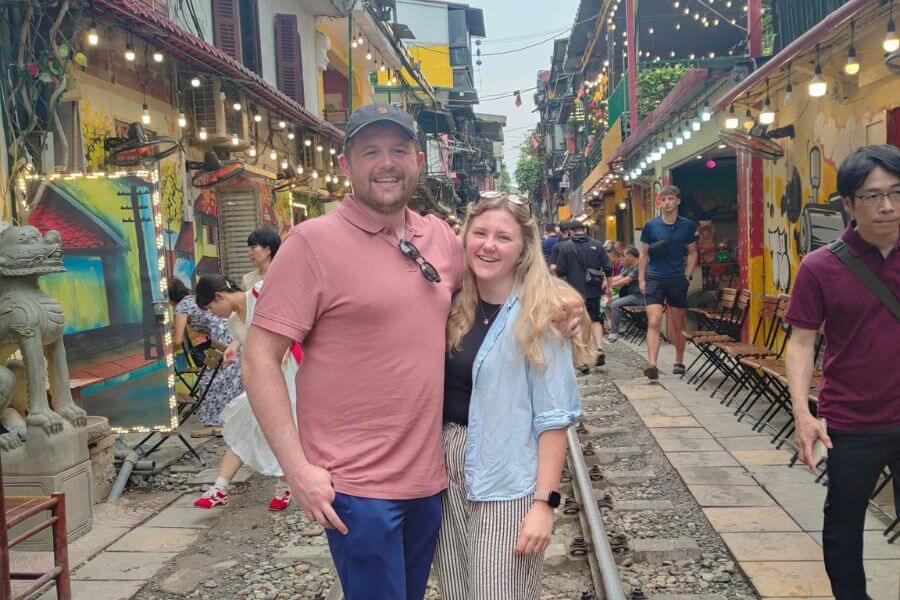
Is Vietnam one of the world’s most beloved countries in 2026?
Yes. Vietnam ranked 10th in Condé Nast Traveler’s 2026 Readers’ Choice Awards for the top countries in the world, receiving a score of 92.99.
Why is Vietnam popular with international travelers?
Vietnam appeals to international visitors through its diverse landscapes, historic cities, cultural heritage, regional cuisine, coastal destinations, and opportunities to experience everyday local life.
What are the best places to visit in Vietnam?
Popular destinations include Hanoi, Ha Long Bay, Ninh Binh, Hoi An, Hue, Da Nang, Ho Chi Minh City, the Mekong Delta, and Phu Quoc. The best choices depend on travel duration, interests, and the time of year.
Is Hanoi worth visiting on a first trip to Vietnam?
Yes. Hanoi offers a combination of historic architecture, cultural landmarks, traditional food, coffee culture, and lively neighborhoods. It is also a convenient starting point for exploring northern Vietnam.
How many days should I spend in Hanoi?
Two to three full days can provide a good introduction to Hanoi’s main cultural attractions, historic neighborhoods, and food scene. Travelers who want to explore at a slower pace or include day trips may benefit from staying longer.
What is the best time to visit Hanoi?
September to November is often an attractive period for visiting Hanoi because autumn generally brings more comfortable temperatures. Spring can also be pleasant, while summer is typically hot and humid. Weather conditions vary, so travelers should check forecasts close to their departure date.
What food should I try in Hanoi?
Popular dishes and drinks include pho, bun cha, banh cuon, cha ca, and Vietnamese egg coffee. A guided food tour can help visitors discover regional specialties and understand local dining traditions.
Can I explore Hanoi independently?
Yes. Many central attractions are accessible on foot, particularly around Hoan Kiem Lake and the Old Quarter. A guided tour can be useful for understanding the city’s history, navigating unfamiliar areas, and discovering places that may be difficult to identify independently.
Is Vietnam suitable for a luxury or comfort-focused holiday?
Vietnam offers a range of accommodation and travel experiences, including upscale hotels, luxury resorts, private transfers, guided excursions, and premium cruise options. Travelers can select services that match their preferred level of comfort and travel style.
How can I plan a Vietnam trip that includes both culture and relaxation?
A balanced itinerary can combine Hanoi’s cultural attractions with a northern nature excursion, followed by time in central Vietnam or a coastal destination. Allowing sufficient time between regions helps create a more relaxed journey.