
Hanoi Tourist Attractions - Best Places to Visit in Hanoi, Hanoi Travel Blog - Hanoi Introduction & Information
Hanoi Day Trips – 4 Best Day Tours from Hanoi for Culture and Nature
23
Oct
Oct
Hanoi rewards curiosity. Beyond the busy streets of the Old Quarter, the scent of freshly brewed Vietnamese coffee and the constant movement around Hoan Kiem Lake, another side of northern Vietnam is waiting to be discovered. Traditional villages, peaceful rice fields, forest-covered mountains and communities preserving centuries-old customs are all within reach of the capital.
For international travellers who have already explored Hanoi’s famous landmarks, taking a day to venture into the surrounding countryside offers a different perspective on Vietnamese life. You can walk through an ancient village, learn about the traditions of an ethnic community, explore historical ruins hidden in the forest or enjoy the fresh air of a mountain national park before returning to the city in the evening.
The best Hanoi tours are not necessarily the ones that cover the greatest distance or the most attractions. They are the experiences that allow you to slow down, connect with local culture and discover places that reveal a different side of Vietnam.
Whether you prefer cultural exploration, outdoor adventure or a relaxing countryside escape, these four destinations offer some excellent ideas for your next Hanoi day trips.
1. Duong Lam Ancient Village: Discover Traditional Vietnamese Village Life
Located approximately 50 kilometres west of central Hanoi, Duong Lam Ancient Village is an appealing destination for travellers who want to understand what traditional life in northern Vietnam looks like beyond the capital.
The journey itself is part of the experience. As you leave the increasingly modern streets of Hanoi behind, the landscape gradually opens into countryside, with agricultural fields, village roads and houses that reflect a slower pace of life.
Duong Lam is particularly attractive because its heritage is not confined to a single monument. The village’s character comes from the relationship between its architecture, communal spaces, local food and the people who continue to call it home.
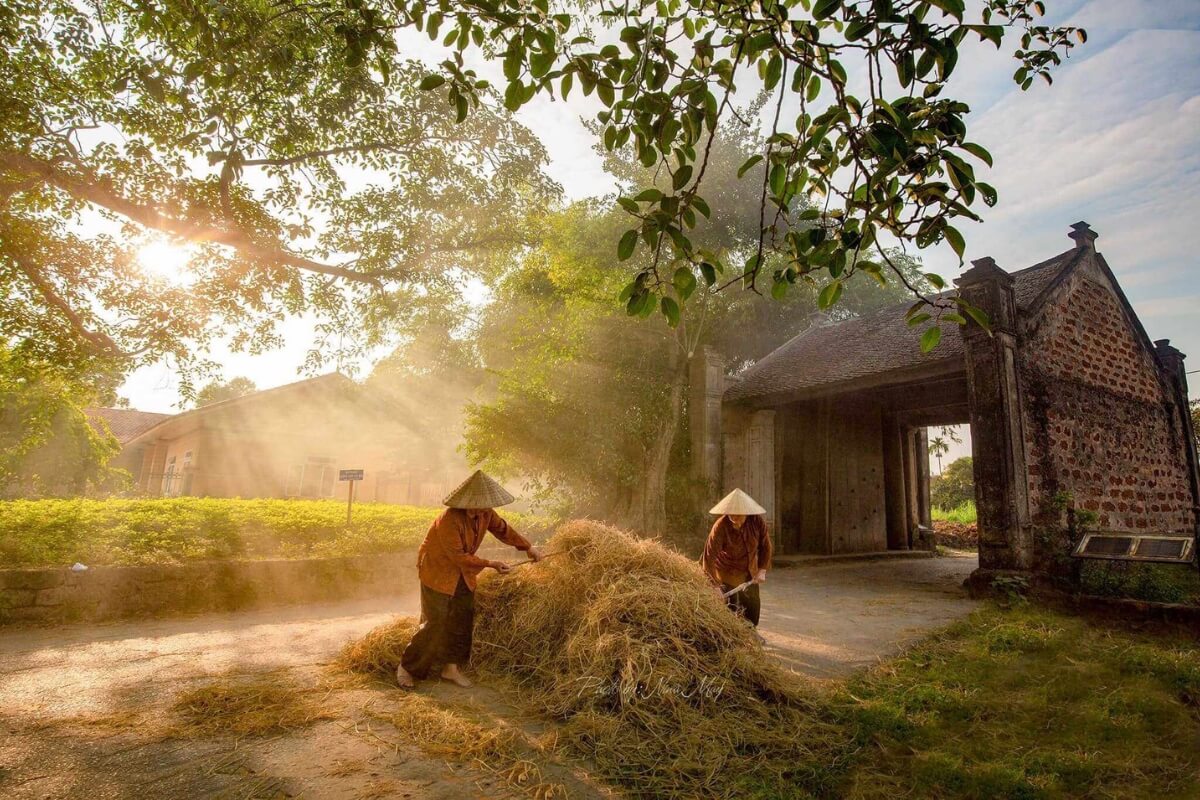
What Makes Duong Lam Ancient Village Special?
One of the first things visitors notice in Duong Lam is its traditional village layout. Narrow lanes wind between old houses, while banyan trees, communal courtyards and village wells evoke familiar images of rural northern Vietnam.
Many traditional houses feature laterite walls, a building material associated with the area’s architectural heritage. Some family homes have been preserved over generations, offering a glimpse into the construction methods and domestic arrangements of earlier periods.
For international visitors, these details provide a useful introduction to Vietnamese rural culture. The design of a traditional house, for example, can reveal how families organised their living spaces, welcomed guests and maintained connections with the surrounding community.
Rather than rushing from one attraction to another, take time to walk through the lanes and observe the details. You may encounter residents working outside their homes, small family businesses or farmers travelling between the village and nearby fields.
These everyday scenes often become the most memorable part of a visit.
Taste Local Specialties and Discover Village Traditions
Food is another important part of the Duong Lam experience. The village is known for traditional specialties such as peanut candy and banh te, a steamed rice cake commonly filled with minced pork and other ingredients.
Trying these local foods adds another dimension to a cultural visit. Instead of simply photographing historic buildings, you gain a better understanding of how culinary traditions remain connected to village life.
Depending on the itinerary and local arrangements, visitors may also encounter traditional craft activities or opportunities to experience aspects of rural farming life.
If you are travelling with a guide, ask about the history of the houses, the ingredients used in local dishes and the customs that have shaped the village over time. These conversations can provide context that would be easy to miss when exploring independently.
Is Duong Lam Worth Visiting on a Hanoi Day Tour?
Duong Lam is an excellent option for travellers interested in history, architecture, photography and authentic countryside experiences.
Its distance from Hanoi makes it possible to explore the village within a day without committing to an overnight stay. A well-planned itinerary can include a leisurely walk, visits to selected heritage sites and a traditional Vietnamese lunch.
The experience is particularly rewarding for couples, independent travellers and anyone who prefers cultural discovery over crowded attractions.
If your ideal Hanoi day tour involves seeing how local traditions connect with everyday life, Duong Lam is a strong place to begin.
2. Muong Coc: Explore Mountain Scenery and Muong Culture
For travellers who want to combine natural scenery with cultural experiences, Muong Coc offers a different kind of escape from Hanoi.
Located approximately 60 kilometres from the capital, the Muong Coc community tourism area in My Duc features a semi-mountainous landscape of Bai Bo Lake, rice fields, lotus ponds, limestone formations and villages associated with the Muong ethnic community.
The scenery feels distinctly different from central Hanoi. Instead of busy streets and urban buildings, visitors encounter open landscapes, rural roads and villages surrounded by nature.
Muong Coc is an appealing choice for travellers who want to explore beyond the city’s usual sightseeing circuit while keeping their journey relatively short.
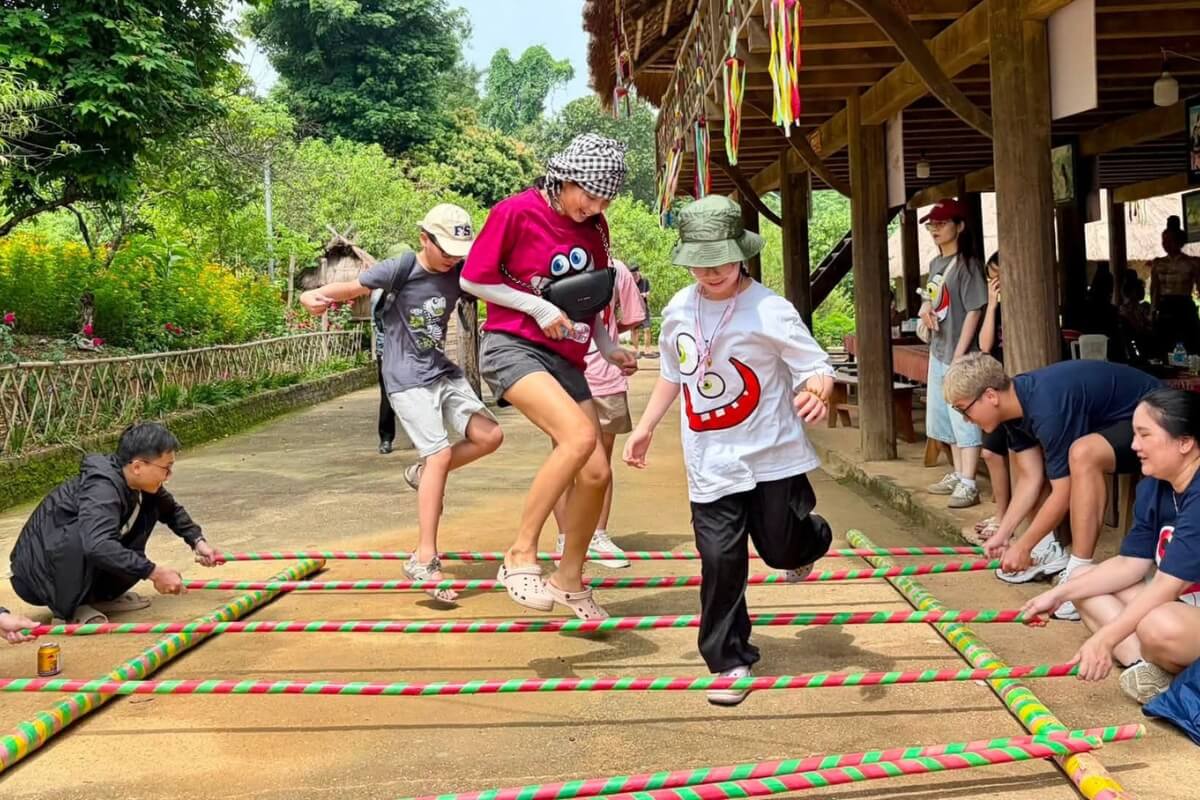
Discover the Natural Beauty of Muong Coc
The landscape around Muong Coc changes with the seasons, creating different reasons to visit throughout the year.
Rice fields bring varying shades of green and gold, while lotus ponds can add colour to the countryside during their flowering season. Limestone hills provide a dramatic backdrop, and Bai Bo Lake offers a peaceful setting for enjoying the surrounding scenery.
For photography enthusiasts, the area presents opportunities to capture rural landscapes, traditional village scenes and the changing light across the fields.
However, the appeal of Muong Coc is not limited to taking photographs. It is also a place to enjoy the countryside at a slower pace.
Walking or cycling through the area allows you to notice details that are easy to overlook when travelling by car: a farmer tending a field, a traditional house beside a narrow road or a group of residents gathering in a village courtyard.
These small encounters help make a countryside visit feel more personal.
Experience the Traditions of the Muong People
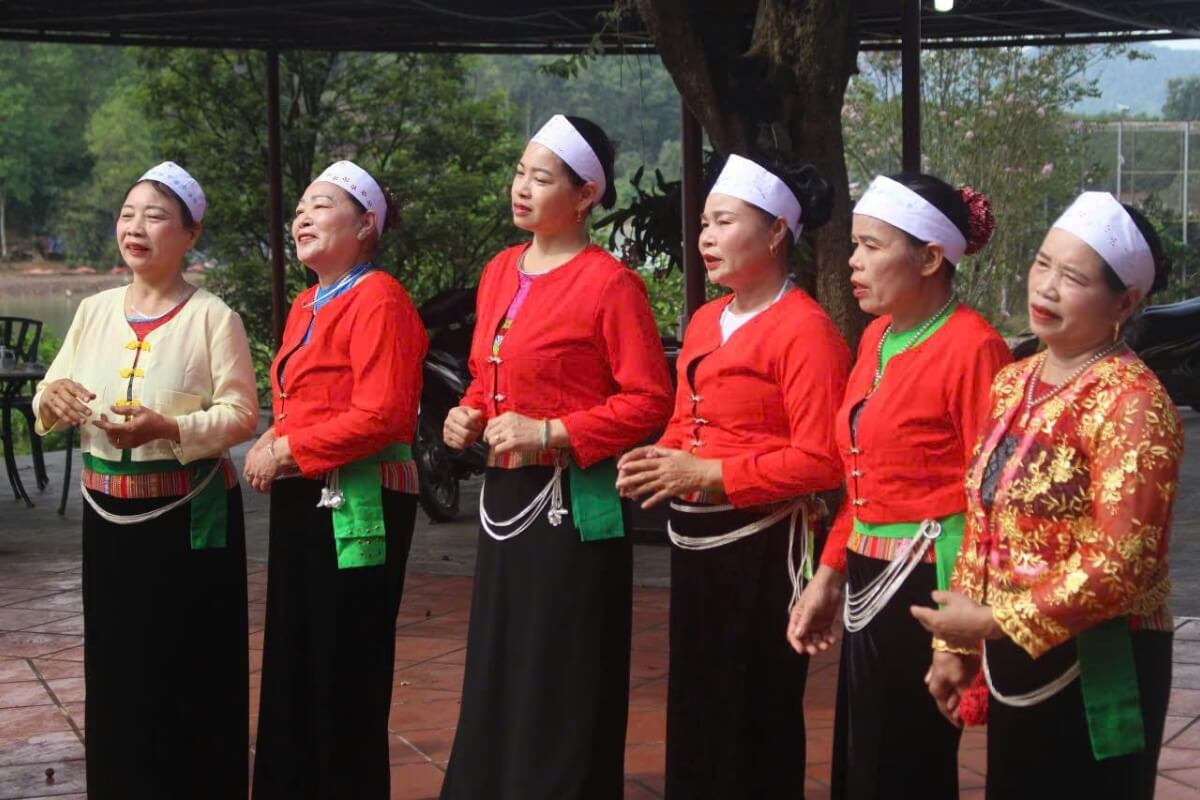
Muong culture is an important part of the destination’s identity. The Muong are one of Vietnam’s officially recognised ethnic groups, with distinctive traditions, music, cuisine and cultural practices.
Depending on the programme available, visitors may encounter gong performances, folk songs, traditional food and cultural presentations that introduce aspects of Muong heritage.
One notable cultural tradition is Mo Muong, a body of oral knowledge and ritual practices associated with the Muong people. Learning about this tradition can offer insight into the community’s understanding of history, spirituality and the relationship between people and their environment.
As with any community-based cultural experience, it is worth approaching these traditions with curiosity and respect. Ask permission before photographing residents, follow local guidance and remember that cultural practices have significance beyond their value as tourist attractions.
Cycling, Walking and Outdoor Experiences
Muong Coc is well suited to travellers who prefer active day trips from Hanoi rather than spending the entire day visiting monuments.
Depending on local availability, cycling routes can take visitors through rural settlements and surrounding countryside. This is a rewarding way to experience the landscape at a comfortable pace while observing daily life along the way.
Walking and trekking experiences may also introduce visitors to the area’s natural environment and traditional knowledge of medicinal plants.
The best route depends on your fitness level, the weather and the time available. Travellers who prefer a relaxed day can choose shorter walks, while those seeking more activity may enjoy a longer cycling or trekking experience.
Try Local Food and Enjoy a Slower Pace
Food provides another way to discover the region’s cultural identity. Local ingredients and cooking methods reflect the area’s agricultural environment and culinary traditions.
A meal featuring regional dishes can be a highlight of the day, especially when it is accompanied by explanations from a local host or guide.
Some programmes may also offer traditional herbal foot baths, providing a relaxing end to a day spent outdoors.
For travellers seeking a combination of nature, culture and local hospitality, Muong Coc offers a rewarding alternative to more conventional sightseeing.
3. Vietnam National Village for Ethnic Culture and Tourism: Discover Vietnam’s Cultural Diversity
Vietnam’s cultural identity is shaped by a remarkable range of ethnic communities, each with its own traditions, architecture, clothing, music and food.
The Vietnam National Village for Ethnic Culture and Tourism, located in Son Tay on the outskirts of Hanoi, provides an accessible introduction to this diversity.
For visitors who have limited time in northern Vietnam, it offers an opportunity to learn about different cultural traditions in one destination rather than travelling to several remote regions.
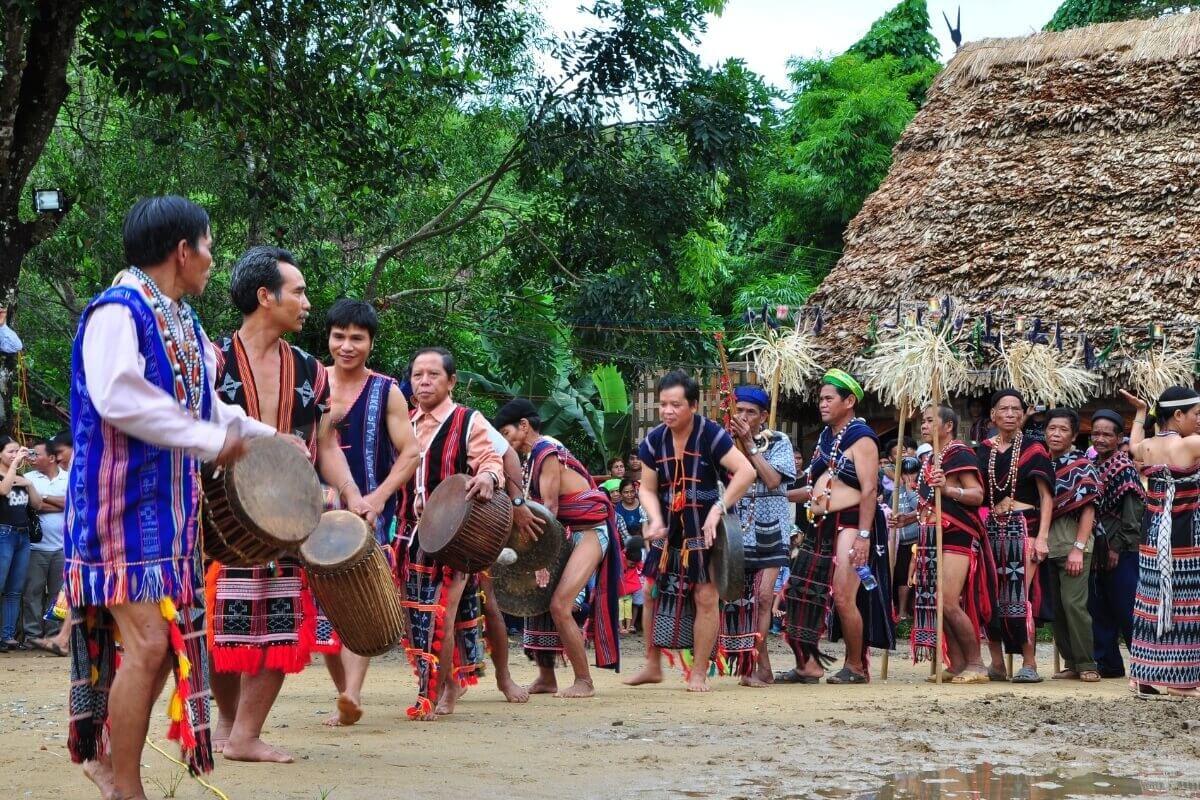
Explore Traditional Ethnic Architecture
The cultural village features spaces representing ethnic communities from different parts of Vietnam. Visitors can explore traditional architectural styles and learn how houses and communal buildings reflect local environments, lifestyles and cultural values.
The differences can be striking. Building materials, roof designs, layouts and decorative details vary according to regional conditions and community traditions.
For travellers who enjoy architecture and cultural history, these structures provide an interesting perspective on how people have adapted their homes to different landscapes and ways of life.
The experience becomes more meaningful when you take time to learn about the people associated with each building rather than treating the village as a collection of photo opportunities.
A knowledgeable guide can help explain how family structures, agricultural practices and community customs have influenced traditional architecture.
Discover Traditional Food from Different Regions
Food is one of the most accessible ways to understand cultural differences, and the cultural village provides opportunities to encounter dishes associated with Vietnam’s ethnic communities.
Depending on the events and food stalls available during your visit, you may find regional specialties and traditional preparations associated with communities such as the Tay, Nung, Hmong, Dao and Thai.
These cuisines reflect the ingredients available in different environments, from mountain-grown crops to locally raised livestock and seasonal vegetables.
For international travellers, sampling regional dishes can be an enjoyable introduction to flavours and cooking traditions that are less familiar than Hanoi’s popular street food.
If you have dietary requirements or food allergies, communicate them clearly before ordering. Ingredients and preparation methods may differ from what you are accustomed to at home.
Watch Traditional Performances and Cultural Activities
Cultural performances are among the highlights of a visit, particularly when the village hosts special programmes or festivals.
Depending on the schedule, visitors may encounter traditional music, folk dances, cultural demonstrations and recreated ceremonies.
The Nung cat-lion dance, for example, is a traditional performance recognised as national intangible cultural heritage. Other programmes may feature Hmong khen music and performances associated with different ethnic communities.
Special events can also include traditional markets, handicraft displays and opportunities to learn about regional customs.
Because the programme changes throughout the year, check the official visitor information before travelling if you have a particular performance or activity in mind.
Who Should Visit the Ethnic Culture Village?
This destination is especially suitable for first-time visitors who want a broader understanding of Vietnamese culture without travelling far from Hanoi.
It is also a good option for families, photography enthusiasts and travellers interested in architecture, traditional crafts and performing arts.
However, the experience is different from visiting a living village in its original setting. The cultural village is a dedicated cultural destination, so visitors should view it as an introduction to Vietnam’s ethnic diversity rather than a complete representation of every community’s daily life.
For travellers who want to add cultural depth to their itinerary, it can be a valuable stop on a Hanoi day tour.
4. Ba Vi National Park: Escape to Mountains and Forests Near Hanoi
Sometimes, the best way to experience northern Vietnam is to leave the city behind and spend a day surrounded by trees, mountain air and quiet forest roads.
Ba Vi National Park is a popular choice for travellers seeking this kind of escape. Located west of Hanoi, the park is known for its mountainous landscape, forest vegetation, historical ruins and sites connected to Vietnamese spiritual traditions.
It offers a welcome contrast to the capital, particularly for visitors who have spent several days exploring busy streets and urban attractions.
Why Visit Ba Vi National Park?
Ba Vi’s greatest appeal lies in its combination of nature, history and accessibility.
The park’s forested mountains provide a setting for scenic drives, walking and exploration. As you travel higher into the mountains, the environment changes, with dense vegetation and cooler conditions often offering a refreshing break from the city.
The landscape also has cultural significance. Ba Vi is associated with Tan Vien Son Tinh, a mountain deity in Vietnamese folk tradition whose story forms part of the country’s wider mythological heritage.
For travellers interested in both nature and culture, this connection gives the destination an additional layer of meaning.
Rather than seeing Ba Vi simply as a green space outside Hanoi, visitors can explore how the mountain landscape has influenced local beliefs and traditions.
Discover Abandoned French-Era Buildings and Church Ruins
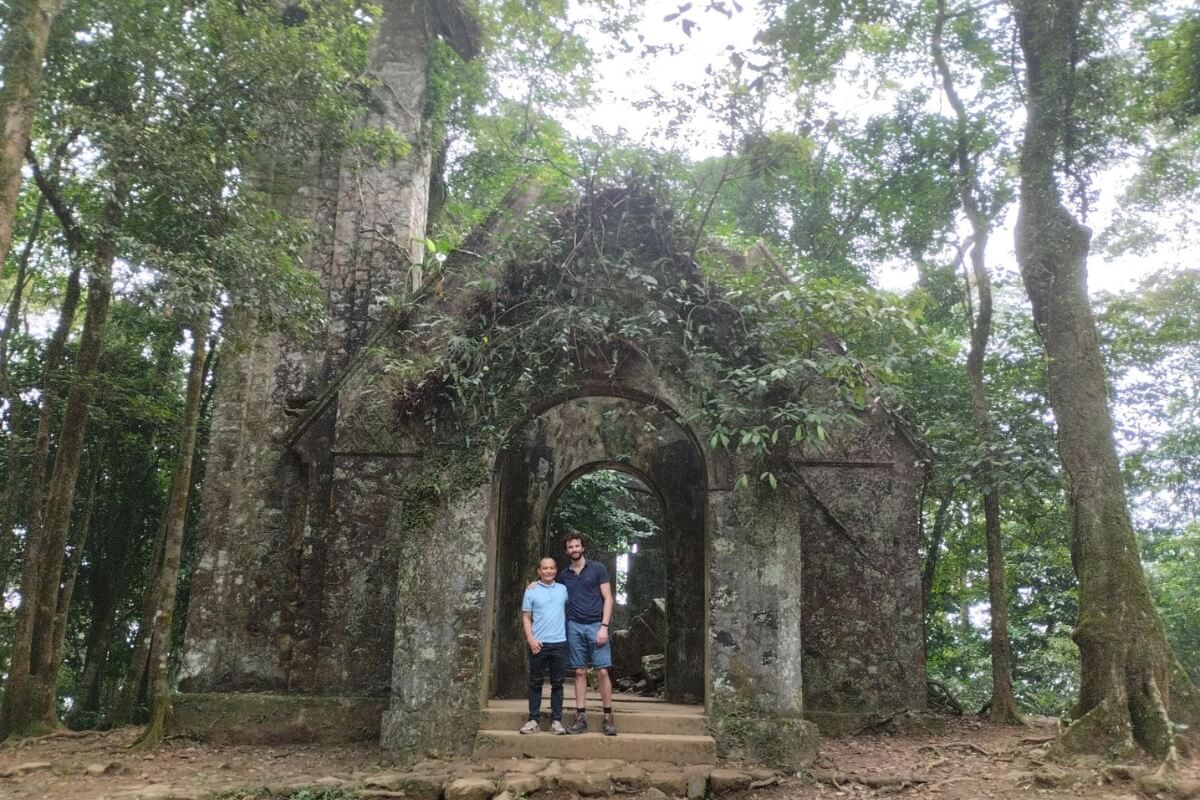
Ba Vi is also known for historical remains from the French colonial period.
Among the most atmospheric sites are the ruins of an old church, where weathered walls stand amid the surrounding vegetation. The contrast between the architectural remains and the forest creates a distinctive setting for photography and quiet exploration.
Other historical features in the park include remnants of old villas and former facilities associated with the colonial period.
These sites offer a glimpse into a different chapter of the region’s history, although their condition and accessibility can vary.
Visitors should remain on permitted paths, respect any access restrictions and avoid climbing unstable structures. The ruins are part of the landscape, but they are not necessarily maintained like conventional museums or restored historical buildings.
Visit Thuong Temple and Learn About Vietnamese Folk Beliefs
For travellers interested in Vietnamese spirituality, Thuong Temple is another notable destination within the Ba Vi mountain area.
The temple is associated with Tan Vien Son Tinh, a revered figure in Vietnamese folk tradition. His story is commonly connected with the legendary struggle between Son Tinh, the Mountain Spirit, and Thuy Tinh, the Water Spirit, a tale that has long been associated with the challenges of flooding in northern Vietnam.
Reaching the temple involves climbing a substantial flight of steps, commonly described as around 500 steps along the approach. Comfortable walking shoes, drinking water and a reasonable level of fitness are recommended.
The climb may be physically demanding for some visitors, especially in hot or humid weather, so allow enough time and take breaks when needed.
When visiting the temple, dress respectfully and follow local customs. A little preparation can help you appreciate the site not only as a viewpoint or walking destination but also as a place of cultural and spiritual significance.
Is Ba Vi Suitable for a Day Trip from Hanoi?
Ba Vi is a strong choice for travellers who enjoy the outdoors and want to combine several experiences in one day.
A carefully planned itinerary might include a scenic drive through the park, a visit to selected historical remains, time for walking and a stop at a cultural site.
The amount you can comfortably cover depends on traffic, weather, road conditions and your preferred activity level. There is no need to visit every attraction in a single outing.
If you are looking for Hanoi day trips that offer fresh air, forest scenery and a change of pace, Ba Vi is well worth considering.
Which Hanoi Day Trip Is Best for You?
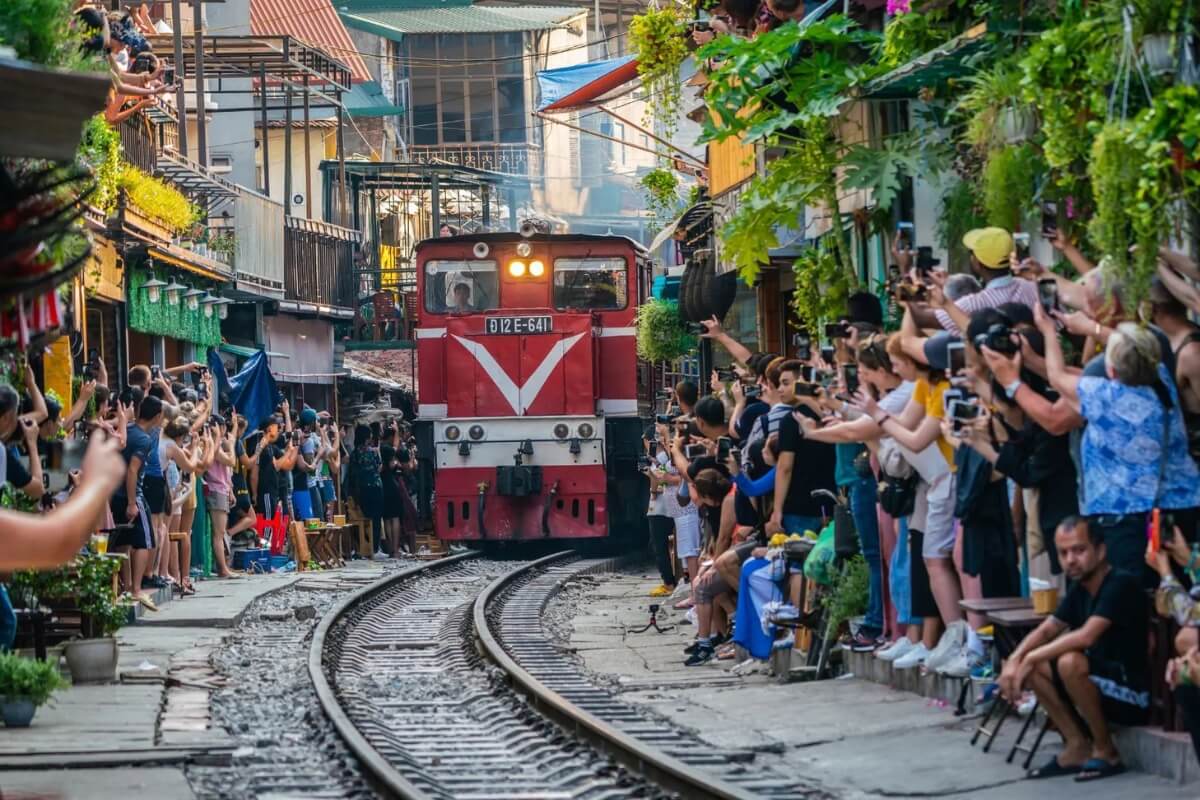
The best destination depends on what you want to experience outside the capital. Each location offers a different perspective on northern Vietnam, from traditional village life to ethnic heritage and mountain landscapes.
| Destination | Best For | Approximate Distance from Central Hanoi | Main Experiences |
| Duong Lam Ancient Village | History, architecture and local life | 50 km | Traditional houses, village lanes and local food |
| Muong Coc | Nature and community-based cultural experiences | 60 km | Rice fields, limestone scenery, cycling and Muong traditions |
| Vietnam National Village for Ethnic Culture and Tourism | Cultural discovery and traditional performances | Check the route before travelling | Ethnic architecture, cultural activities and regional food |
| Ba Vi National Park | Nature, walking and history | Around 60 km | Forests, mountain scenery, temple visits and historical ruins |
Distances are approximate and can vary according to your starting point and route. Travel times depend on traffic and road conditions.
Choose Duong Lam if you want to explore traditional architecture and discover how rural communities have preserved aspects of northern Vietnamese heritage.
Choose Muong Coc if you prefer a quieter countryside experience that combines natural scenery, outdoor activities and Muong cultural traditions.
Choose the Vietnam National Village for Ethnic Culture and Tourism if you want an introduction to the diversity of Vietnam’s ethnic communities, particularly through architecture, food and cultural performances.
Choose Ba Vi National Park if your ideal day involves forest landscapes, mountain air, walking and a little history.
If you are unsure, consider the experiences you have already enjoyed in Hanoi. Travellers who have spent several days visiting museums and historical monuments may prefer Ba Vi or Muong Coc, while those who want to understand Vietnamese culture in greater depth may find Duong Lam especially rewarding.
How to Plan the Best Day Tours from Hanoi

A successful countryside excursion depends on more than choosing an attractive destination. Transportation, weather, activity levels and the time available can all influence how much you enjoy the day.
When Is the Best Time to Take a Hanoi Day Trip?
Spring and autumn are generally comfortable seasons for exploring the countryside around Hanoi, although conditions vary from year to year.
Spring often brings fresh vegetation and a lively rural atmosphere. Autumn is particularly appealing to visitors who prefer milder conditions for walking, cycling and sightseeing.
Summer can be hot and humid, with occasional heavy rain. Ba Vi may offer a welcome change of environment, but outdoor activities still require sensible preparation. Lotus ponds and green rice fields can also make the countryside attractive during this period.
Winter brings cooler weather and can be a pleasant time for exploring cultural destinations, although mist, rain and lower temperatures may affect mountain visits.
If you plan to travel during major Vietnamese public holidays, including the September 2 National Day holiday, expect popular attractions and roads to be busier than usual. Check opening arrangements and book transportation in advance where possible.
How to Choose the Right Hanoi Day Tour
Start by deciding what kind of experience matters most to you.
If you enjoy learning about history, architecture and local traditions, choose an itinerary that allows enough time for guided exploration. If you prefer outdoor activities, look for a programme with suitable walking or cycling routes rather than trying to fit several cultural attractions into the same day.
Travel pace also matters. A relaxed itinerary with time for lunch, photography and conversation can be more rewarding than a schedule that leaves little room to enjoy each stop.
For travellers who value comfort, consider transportation quality, the length of the journey and whether the itinerary includes time to rest. These details can make a noticeable difference, especially for couples, families and older travellers.
What Should You Pack for a Day Trip from Hanoi?
For most countryside excursions, lightweight clothing, comfortable walking shoes, sun protection and drinking water are useful essentials.
If you are visiting Ba Vi or taking part in trekking activities, choose footwear with good grip and bring a light jacket in case conditions change at higher elevations.
A small umbrella or rain jacket can be helpful during wetter months. Travellers visiting cultural or religious sites should also bring clothing that allows them to dress respectfully.
Carry some cash for small purchases in rural areas, where card payments may not always be available. Keep personal belongings secure and ask before photographing local residents, particularly during cultural activities or religious ceremonies.
Why Travel with a Local Guide?
A local guide can help turn a sightseeing trip into a more meaningful cultural experience.
In Duong Lam, a guide can explain the architecture of traditional houses and the role of communal spaces in village life. In Muong Coc, they may introduce visitors to local customs and provide context for cultural performances. At the Ethnic Culture Village, a guide can explain the differences between traditions and architectural styles. In Ba Vi, they can help connect historical remains with the area’s broader cultural landscape.
A guide can also assist with communication, timing and practical arrangements, helping the day run more smoothly.
For international travellers with limited time in Hanoi, an organised Hanoi day tour can be a convenient way to explore the countryside without having to manage every transportation and itinerary detail independently.
Are Hanoi Day Trips Worth It?
Absolutely. For travellers spending several days in the capital, exploring beyond the city can provide a more complete understanding of northern Vietnam.
Hanoi offers an extraordinary mix of history, food, architecture and contemporary urban life. Yet the countryside reveals other parts of the region’s identity: traditional houses, agricultural landscapes, ethnic customs, mountain temples and forests shaped by both history and local beliefs.
A day trip also creates a useful change of pace. Instead of moving between busy streets and crowded attractions, you can spend time walking through a village, enjoying a local meal or taking in the scenery from a mountain road.
The most rewarding experiences often come from the details rather than the headline attractions. It might be learning how a traditional house was built, tasting a regional dish for the first time or hearing the story behind a local ritual.
These moments help transform a holiday from a list of places visited into a deeper experience of the destination.
The key is to choose an excursion that suits your interests and leave enough time to enjoy it. You do not need to travel far from Hanoi to discover a different side of Vietnam.
Explore the Best Day Tours from Hanoi with Hanoi Local Tour
Your experience of Hanoi does not have to end at the edge of the Old Quarter.
With a little time outside the capital, you can discover ancient villages, explore rural landscapes, learn about Vietnam’s cultural diversity and enjoy the quieter atmosphere of its mountain forests.
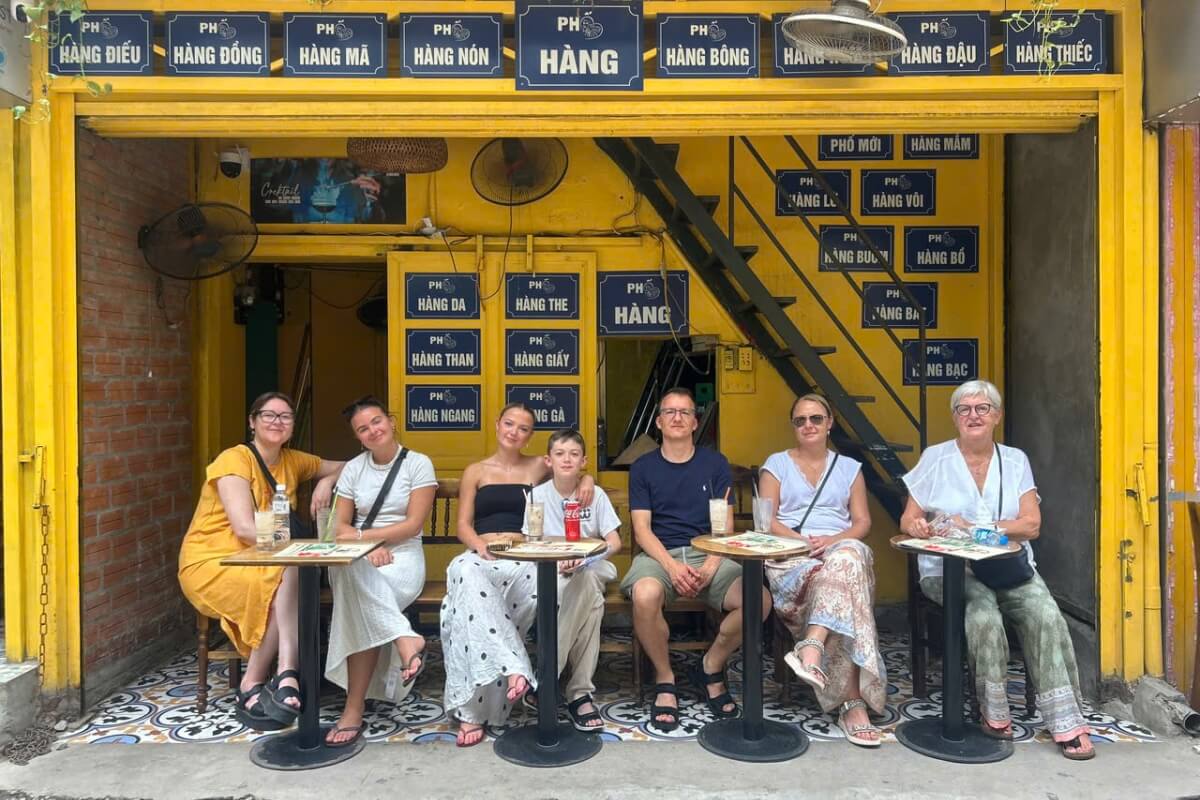
At Hanoi Local Tour, we encourage travellers to explore Hanoi and its surroundings through experiences that bring together local culture, history and everyday life. Whether you are interested in heritage, countryside scenery or outdoor activities, choosing an itinerary that matches your interests can make a short excursion one of the highlights of your Vietnam holiday.
If you are planning your stay and looking for day tours from Hanoi, explore the available experiences on Hanoi Local Tour https://www.hanoilocaltour.com/ and find an itinerary that suits your travel style, schedule and interests.
Sometimes, the most memorable part of a Hanoi holiday begins just beyond the city.
Frequently Asked Questions About Hanoi Day Trips
What Are the Best Day Trips from Hanoi?
Some worthwhile day trips from Hanoi include Duong Lam Ancient Village for traditional architecture and rural life, Muong Coc for countryside scenery and Muong culture, the Vietnam National Village for Ethnic Culture and Tourism for cultural discovery, and Ba Vi National Park for forests, mountains and historical sites. The best choice depends on your interests and preferred activity level.
How Far Can You Travel on a Day Tour from Hanoi?
Several destinations around Hanoi can be visited in a single day, including places approximately 50–60 kilometres from the city centre. Actual travel time depends on traffic, road conditions, your starting point and the itinerary. For a more relaxed experience, choose one main destination rather than trying to visit too many places in one day.
Can You Visit Duong Lam Ancient Village in One Day?
Yes. Duong Lam is approximately 50 kilometres west of central Hanoi and can be explored on a day trip. Allow enough time to walk through the village, visit selected heritage sites and enjoy local food without rushing.
Is Ba Vi National Park Suitable for a Day Trip from Hanoi?
Yes. Ba Vi National Park is a popular option for a day trip from Hanoi, particularly for travellers interested in mountain scenery, forests, walking and historical remains. Check weather conditions, park access and travel arrangements before departure, and allow enough time for the activities you plan to enjoy.
What Is the Best Time of Year for Hanoi Day Trips?
Spring and autumn are generally comfortable for countryside exploration, while summer offers lush landscapes but can be hot, humid and rainy. Winter is cooler and can suit cultural visits. The best time ultimately depends on your destination, preferred activities and the weather forecast.
Should You Book a Hanoi Day Tour in Advance?
Booking in advance is advisable if you want an organised itinerary, private transportation or a guide who speaks your preferred language. It is especially useful during public holidays and busy travel periods. Before confirming, check what is included, the expected duration, the cancellation terms and any physical requirements.
What Should I Wear on a Hanoi Day Trip?
Wear comfortable clothing and walking shoes suitable for the activities planned. Bring sun protection and drinking water during hot weather, and carry a light jacket or rain protection when conditions may change. If visiting temples or other religious sites, dress respectfully and follow local guidance.