
Hanoi Travel Blog - Hanoi Introduction & Information
Cao Bang Vietnam Travel Guide 2026 – Best 10+ Things to Do, Attractions & Travel Tips
13
May
May
Cao Bang Loop Vietnam – The Complete Travel Guide for Nature Lovers and Adventure Seekers
Nestled in the far northeast of Vietnam near the Chinese border, Cao Bang is one of the country’s most spectacular yet underrated destinations. While many travelers flock to Sapa or Ha Giang, those seeking authentic landscapes, peaceful roads, and deep cultural experiences are increasingly turning their attention to the Cao Bang Loop.
For travelers beginning their journey in the capital, many curated Hanoi tours now include Northern Vietnam extensions that connect seamlessly with Cao Bang’s remote mountain landscapes.
From the majestic Ban Gioc Waterfall to winding mountain passes and traditional Tay and Nung villages, the Cao Bang Loop reveals a side of Vietnam that still feels genuinely undiscovered.
This Cao Bang travel guide covers everything you need to know before planning your trip, including the best time to visit, top attractions, suggested itineraries, travel tips, accommodations, transportation, and why the Cao Bang Loop deserves a place on your Vietnam bucket list.
Where Is Cao Bang?
Cao Bang is a mountainous province located in northeastern Vietnam, approximately 280 kilometers from Hanoi. Bordering China, the region is known for its dramatic karst landscapes, winding mountain roads, dense forests, and rich ethnic minority cultures.
Unlike more commercialized destinations in northern Vietnam, Cao Bang remains relatively untouched by large-scale tourism. The province is home to several ethnic communities, including the Tay, Nung, Dao, and Hmong people, whose traditions continue to shape local life today.
The capital city, also called Cao Bang, serves as the starting point for most travelers exploring the Cao Bang Loop.
What Is the Cao Bang Loop?
The Cao Bang Loop is a scenic road trip route that takes travelers through the province’s most breathtaking landscapes and cultural highlights. Similar in concept to the Ha Giang Loop, the Cao Bang Loop is becoming increasingly popular among travelers seeking a quieter and less crowded adventure in northern Vietnam.
The route typically includes:
- Cao Bang City
- Ban Gioc Waterfall
- Nguom Ngao Cave
- Ma Phuc Pass
- Angel Eye Mountain
- Pac Bo Historical Site
- Ethnic minority villages
- Scenic mountain roads and river valleys
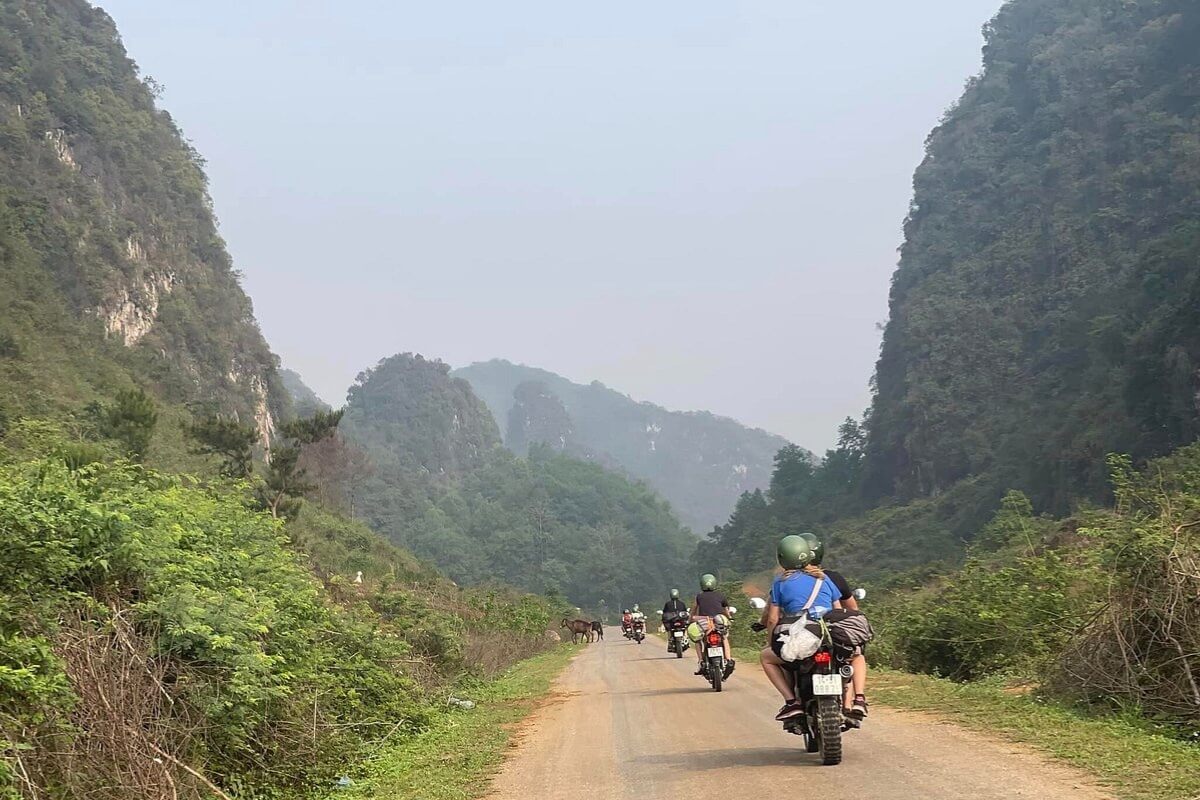
Most travelers complete the Cao Bang Loop by motorbike, though private car tours and jeep experiences are also available for those seeking greater comfort.
What makes the Cao Bang Loop unique is the diversity of experiences. One moment you are driving through towering limestone mountains, and the next you are walking through peaceful villages surrounded by rice terraces and crystal-clear rivers.
Best Time to Visit Cao Bang Vietnam
September to November – The Most Beautiful Season
Autumn is widely considered the best time to explore the Cao Bang Loop. During this period, temperatures are pleasant, skies are clearer, and rice fields turn golden across the valleys.
The weather is ideal for motorbike travel, hiking, photography, and outdoor exploration.
December to February – Cool and Misty Landscapes
Winter in Cao Bang can be cold, especially in the mountains. Misty mornings create an atmospheric and romantic landscape, though temperatures may drop significantly at night.
Travelers should prepare warm clothing if visiting during this period.
March to May – Green Landscapes and Waterfall Season
Spring brings lush greenery and vibrant scenery. Ban Gioc Waterfall often becomes especially beautiful after seasonal rains begin feeding the rivers.
This is also an excellent period for nature lovers and photographers.
June to August – Rainy but Scenic
Summer brings heavier rainfall and occasional storms. While landscapes become intensely green and rivers fuller, road conditions can be more challenging for motorbike travelers.
Travelers should check weather forecasts carefully before starting the Cao Bang Loop during rainy season.
How to Get to Cao Bang from Hanoi
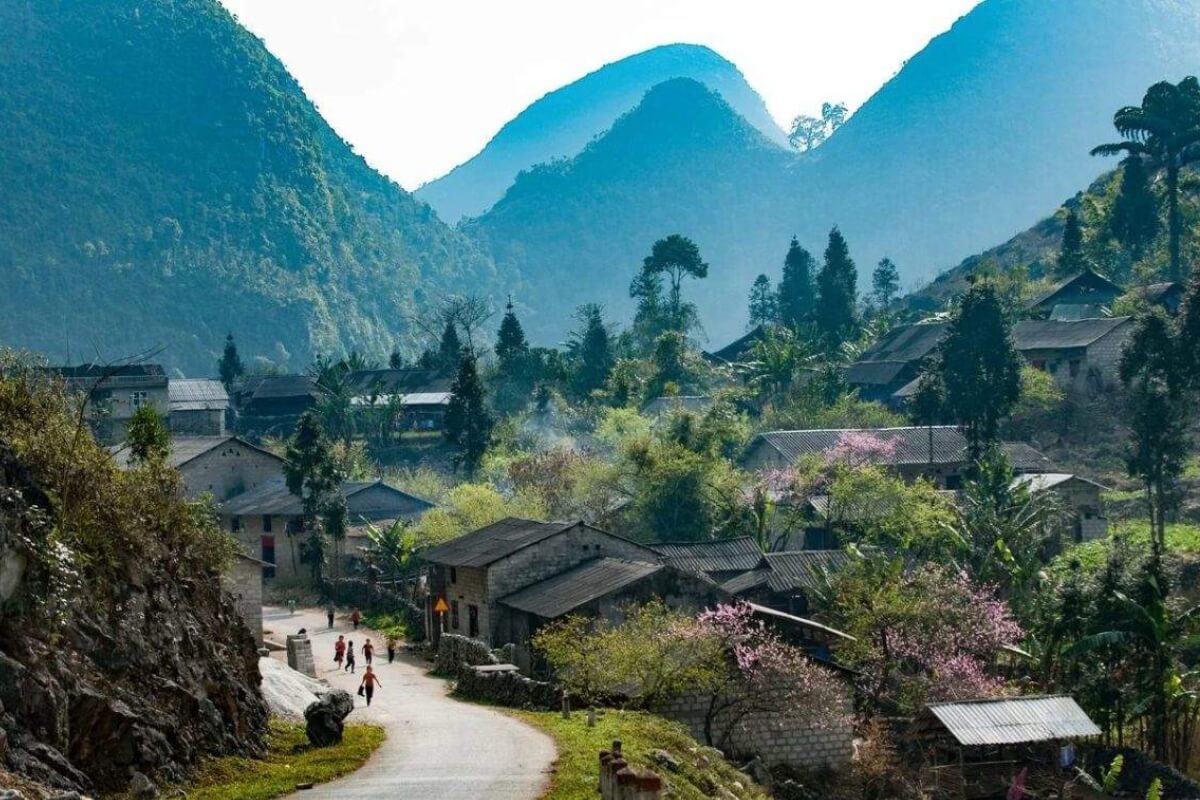
Sleeper Bus from Hanoi
The most common option is taking an overnight sleeper bus from Hanoi to Cao Bang City. The journey usually takes around 7 to 8 hours.
Many travelers choose overnight buses to save time and accommodation costs.
Private Car Transfer
For travelers seeking greater comfort and flexibility, private transfers from Hanoi to Cao Bang are increasingly popular. This option is especially suitable for families, couples, or premium travelers.
Private transportation allows visitors to stop at scenic viewpoints and local attractions along the route.
Top Things to Do on the Cao Bang Loop
Visit Ban Gioc Waterfall
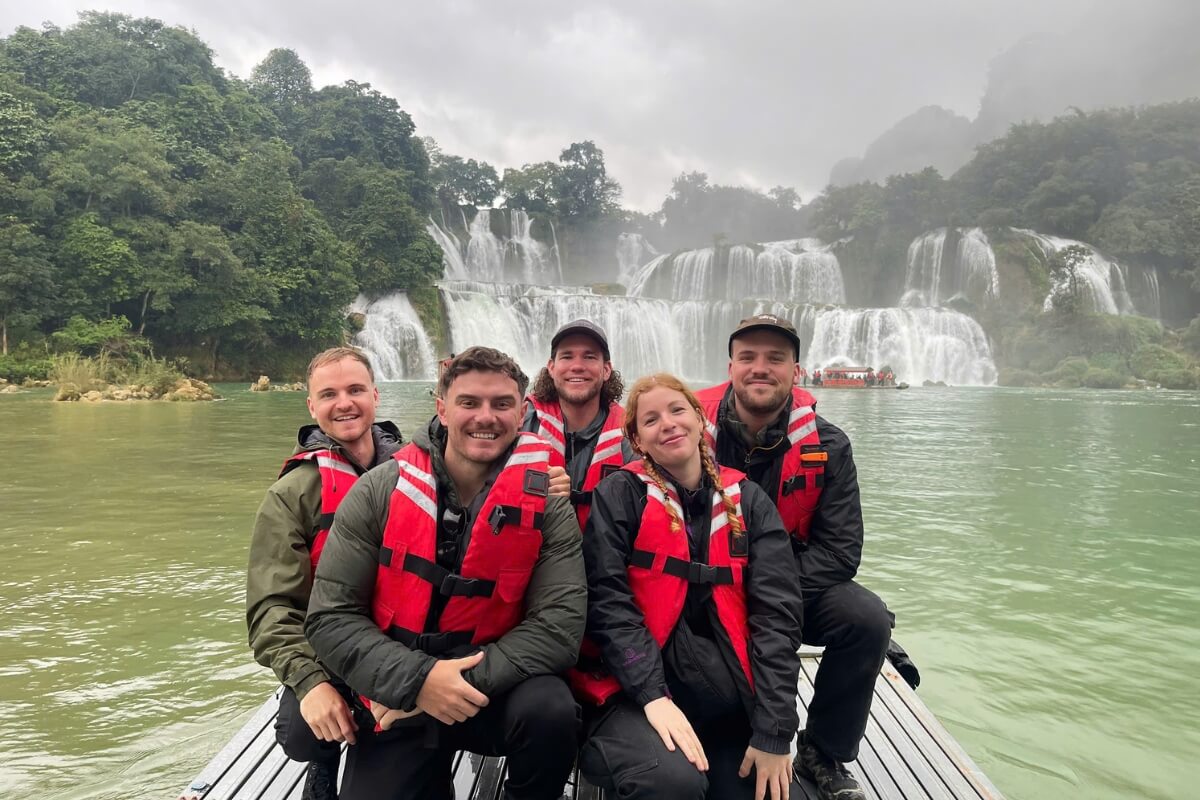
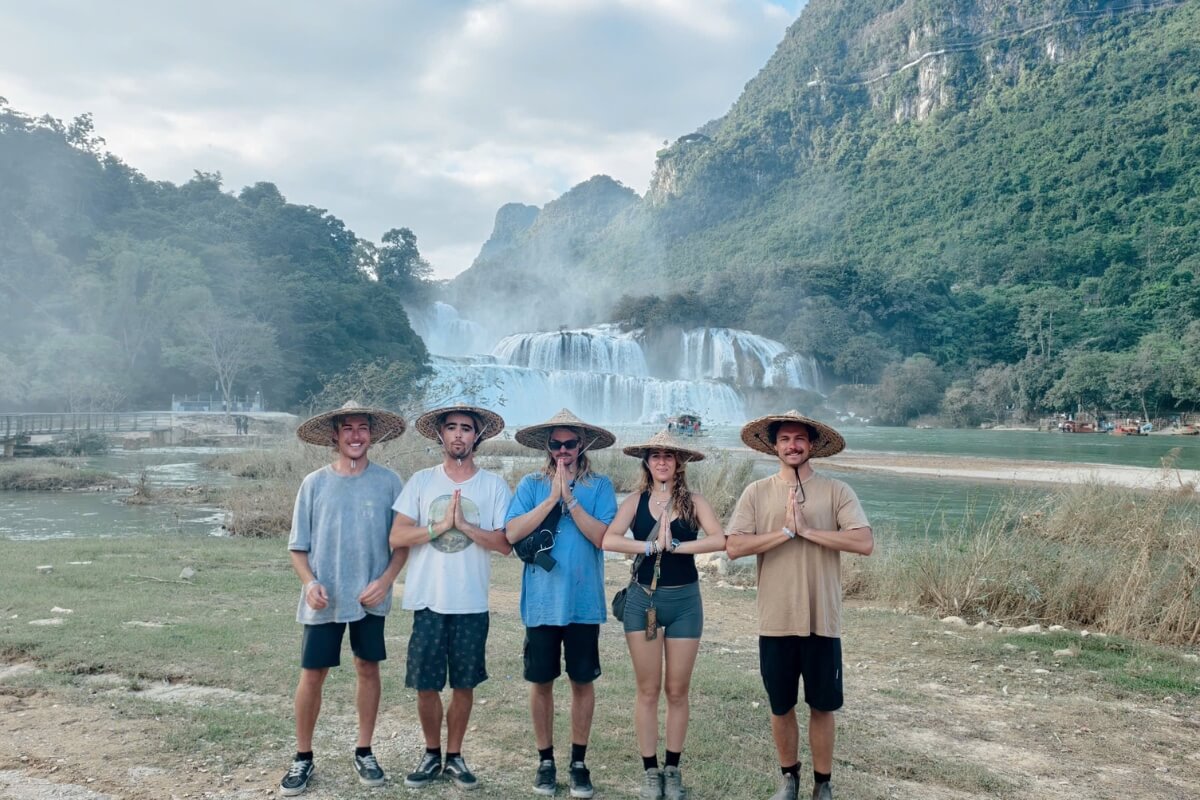
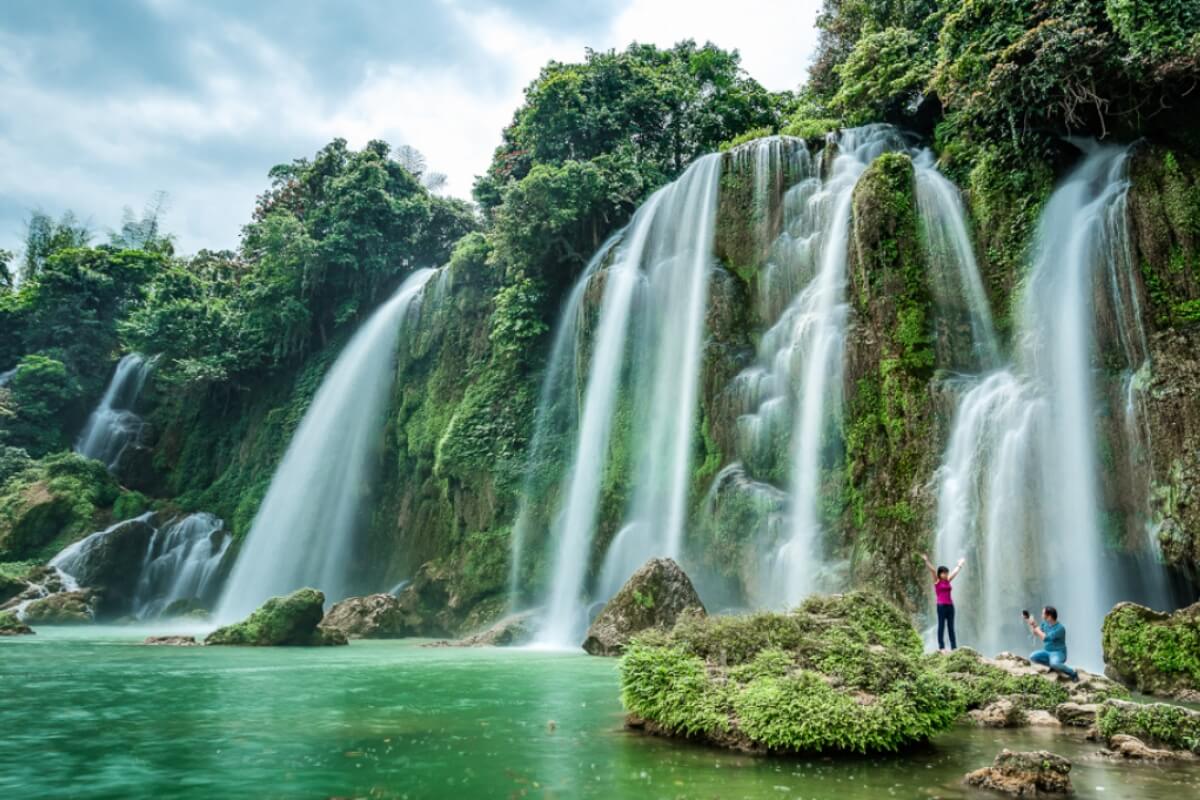
Ban Gioc Waterfall is undoubtedly the crown jewel of Cao Bang Vietnam. Located on the border between Vietnam and China, it is considered one of the most beautiful waterfalls in Southeast Asia.
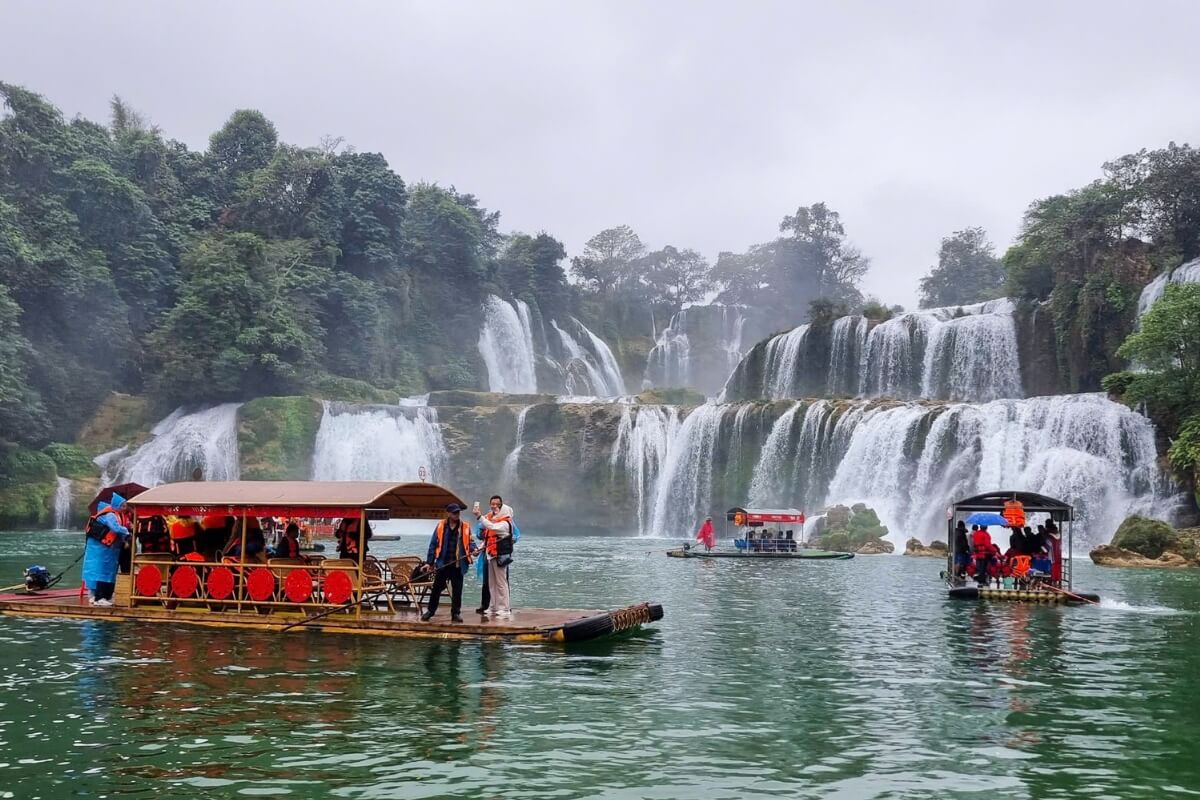
The waterfall stretches across multiple levels surrounded by limestone mountains and emerald rice fields, creating one of the most iconic landscapes in Vietnam.
Visitors can take bamboo raft rides close to the falls, walk along scenic viewpoints, or simply enjoy the peaceful atmosphere.
Unlike many famous waterfalls around the world, Ban Gioc still retains a sense of tranquility and natural authenticity.
Explore Nguom Ngao Cave
Located near Ban Gioc Waterfall, Nguom Ngao Cave is a massive limestone cave filled with extraordinary stalactites and stalagmites.
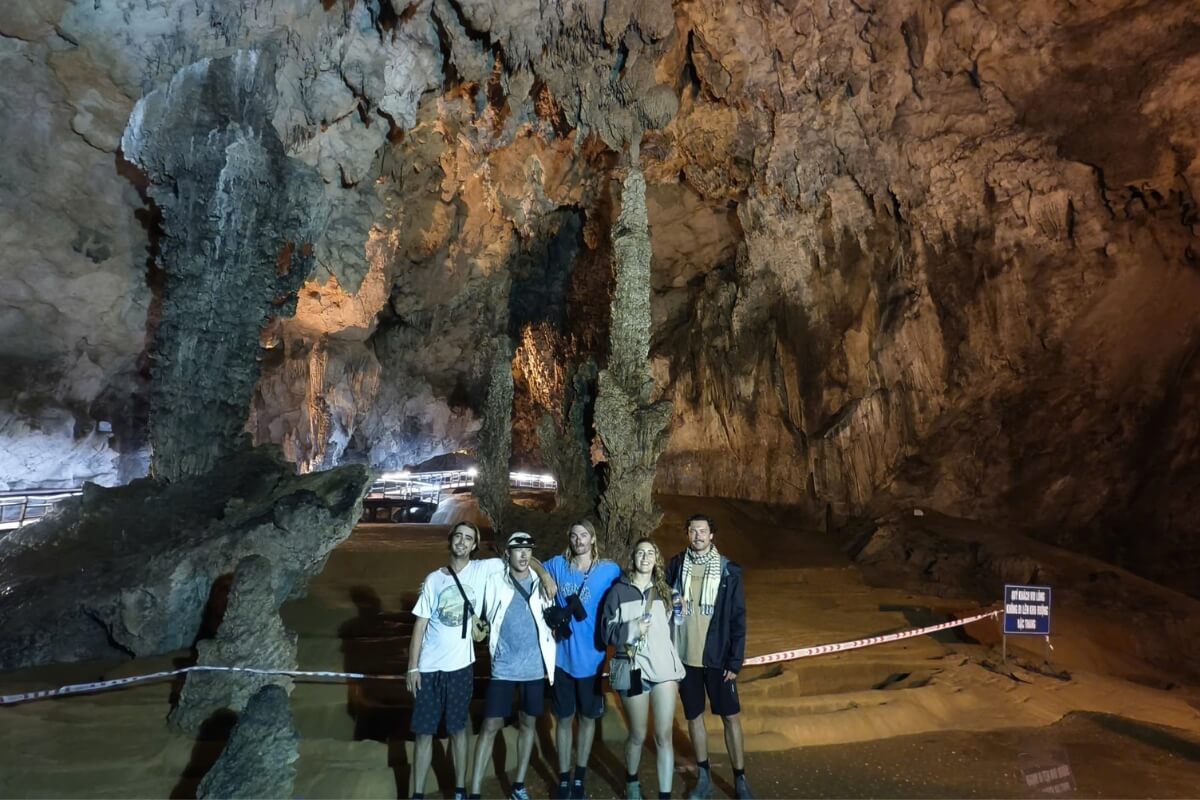
The cave extends several kilometers underground and features impressive rock formations illuminated by subtle lighting systems.
Nguom Ngao Cave offers a fascinating contrast to the open landscapes of the Cao Bang Loop and is often considered one of the finest caves in northern Vietnam.
Drive Through Ma Phuc Pass
Ma Phuc Pass is one of the most scenic mountain roads in Cao Bang. The winding route cuts through towering limestone formations and provides panoramic views over valleys and villages below.
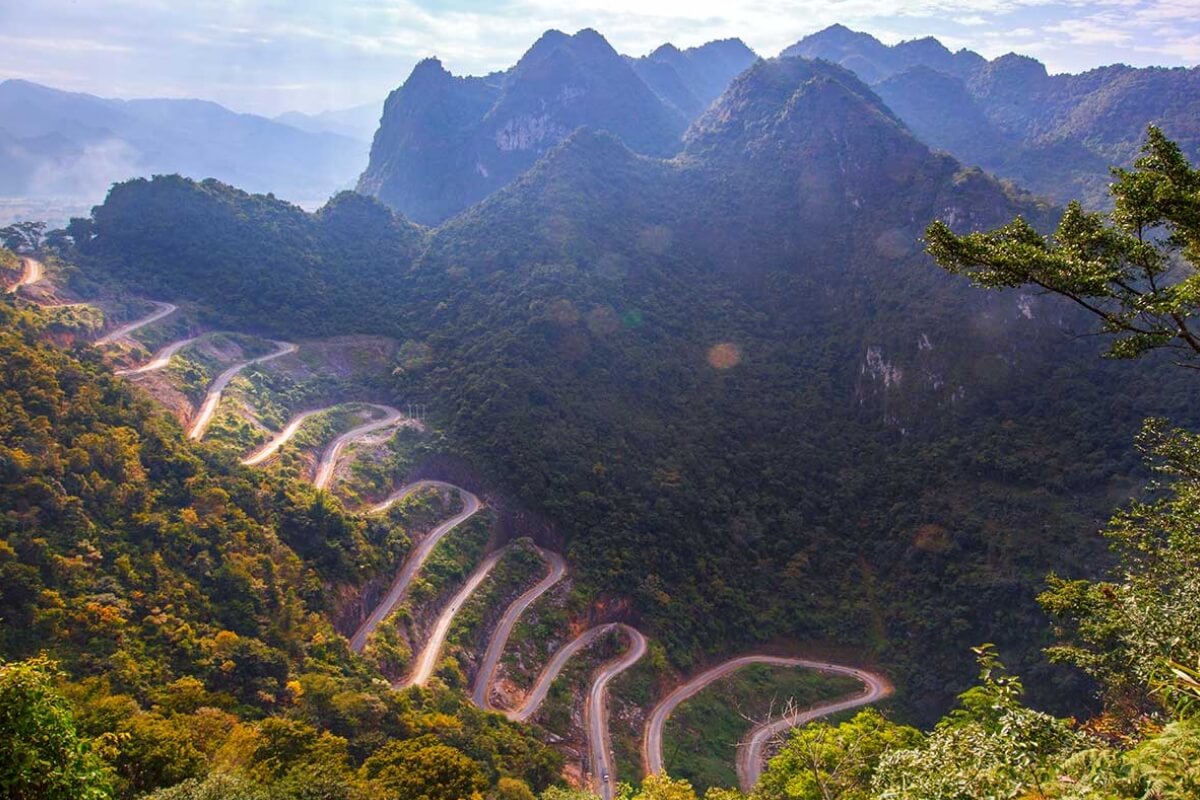
For motorbike enthusiasts, this stretch is among the highlights of the Cao Bang Loop.
Photographers particularly love visiting during sunrise or late afternoon when soft light transforms the mountain scenery.
Discover Angel Eye Mountain
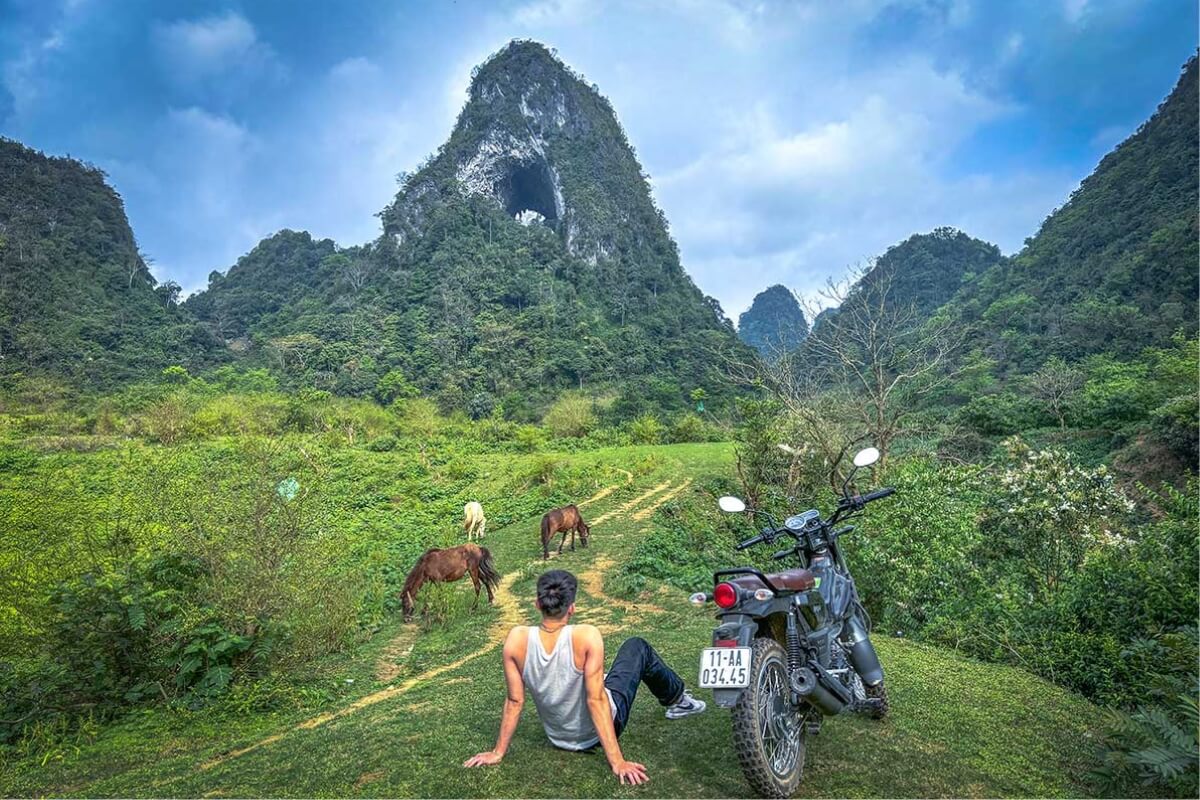
Angel Eye Mountain, also known locally as Nui Mat Than, has become one of Cao Bang’s most photographed destinations.
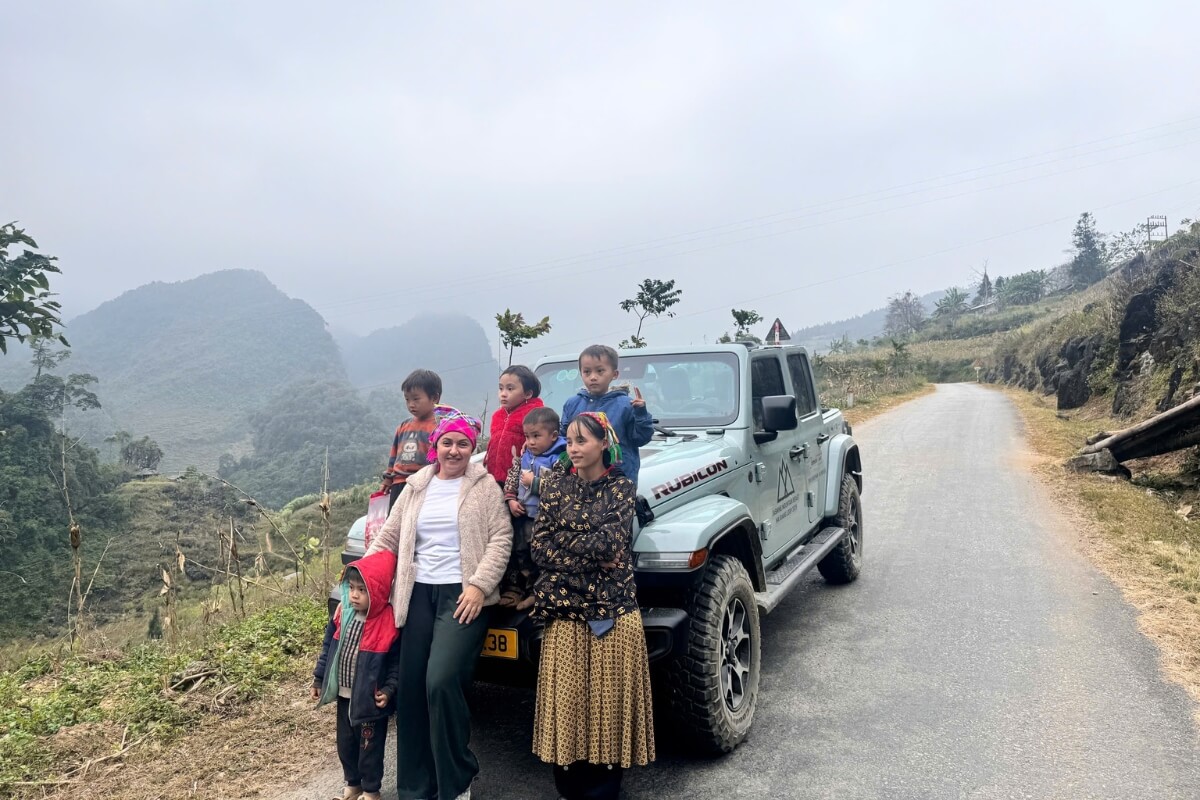
The mountain features a massive natural hole through its center, creating a unique geological formation unlike anywhere else in Vietnam.
Surrounding grasslands, lakes, and peaceful valleys make this area ideal for camping, photography, and quiet exploration.
Visit Pac Bo Historical Site
Pac Bo holds deep historical significance as the place where Ho Chi Minh returned to Vietnam after decades abroad.
The site includes caves, streams, forests, and memorial areas connected to Vietnam’s revolutionary history.
Even travelers less interested in history often appreciate the peaceful natural setting surrounding Pac Bo.
The Best 3-Day Cao Bang Loop Itinerary
Day 1: Cao Bang City – Ma Phuc Pass – Ban Gioc Waterfall
Start the journey from Cao Bang City and travel through scenic mountain roads toward Ban Gioc Waterfall. Stop at Ma Phuc Pass for panoramic views and local villages along the way.
Spend the night near Ban Gioc to fully experience the peaceful atmosphere after day visitors leave.
Day 2: Ban Gioc – Nguom Ngao Cave – Angel Eye Mountain
Explore Ban Gioc Waterfall early in the morning before continuing to Nguom Ngao Cave and Angel Eye Mountain.
Enjoy local homestays and traditional northern Vietnamese cuisine in rural villages.
Day 3: Pac Bo – Return to Cao Bang City
Visit Pac Bo Historical Site before returning to Cao Bang City through scenic countryside roads.
This route provides a balanced combination of nature, culture, history, and adventure.
Local Food You Should Try in Cao Bang
Cao Bang Sour Noodle Soup (Pho Chua)
Pho Chua is one of the signature dishes you should not miss while traveling through Cao Bang. Unlike traditional Vietnamese pho served with hot broth, this local specialty is a dry noodle dish known for its complex sweet, sour, salty, and savory flavors.
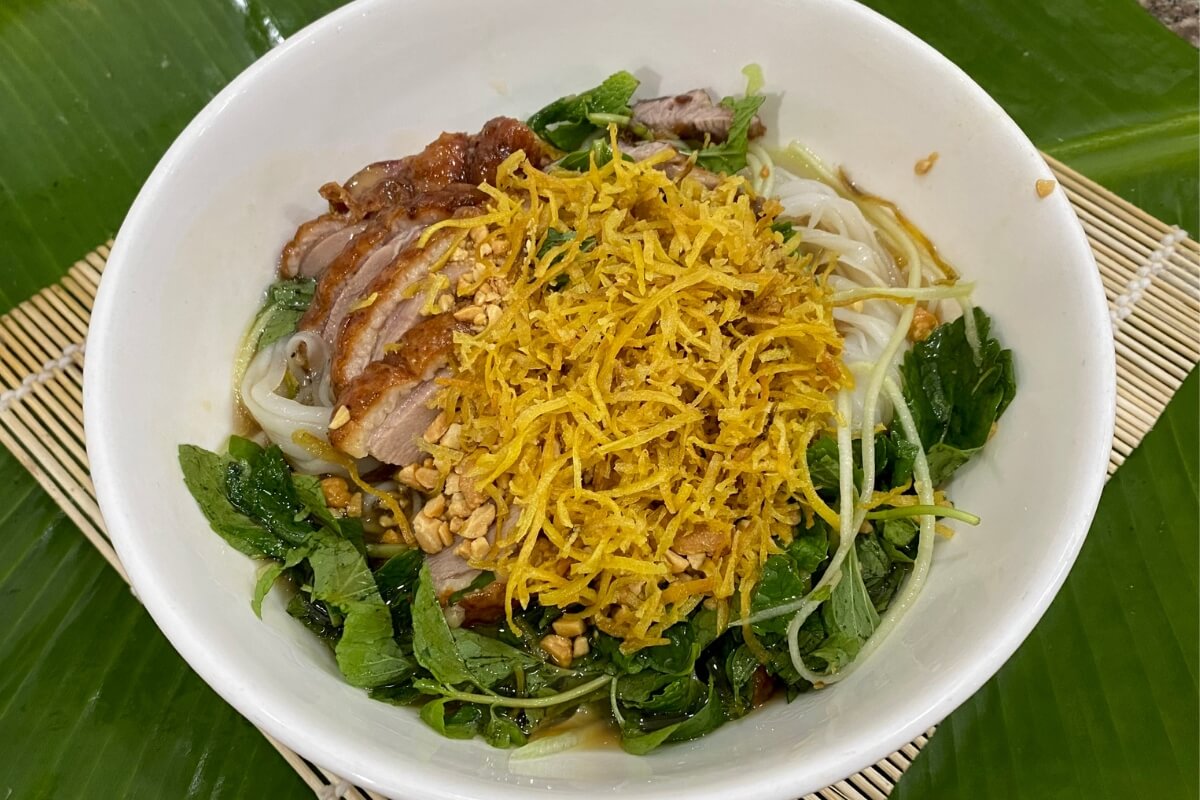
The dish usually includes soft rice noodles topped with roasted duck, char siu pork, peanuts, fresh herbs, fried shallots, and crispy sweet potato. A light tangy sauce made from vinegar and local spices is poured over the noodles, creating a refreshing yet flavorful meal.
Pho Chua perfectly represents the culinary identity of Cao Bang — balanced flavors, fresh ingredients, and regional creativity. It is especially popular during warmer months after long days exploring the Cao Bang Loop.
Black Sticky Rice
Black sticky rice is commonly served during festivals, celebrations, and family gatherings among ethnic communities in Cao Bang.
The rice is naturally colored dark purple-black and has a slightly nutty flavor with a pleasantly chewy texture. It is often steamed inside bamboo tubes or banana leaves, adding subtle earthy aromas.
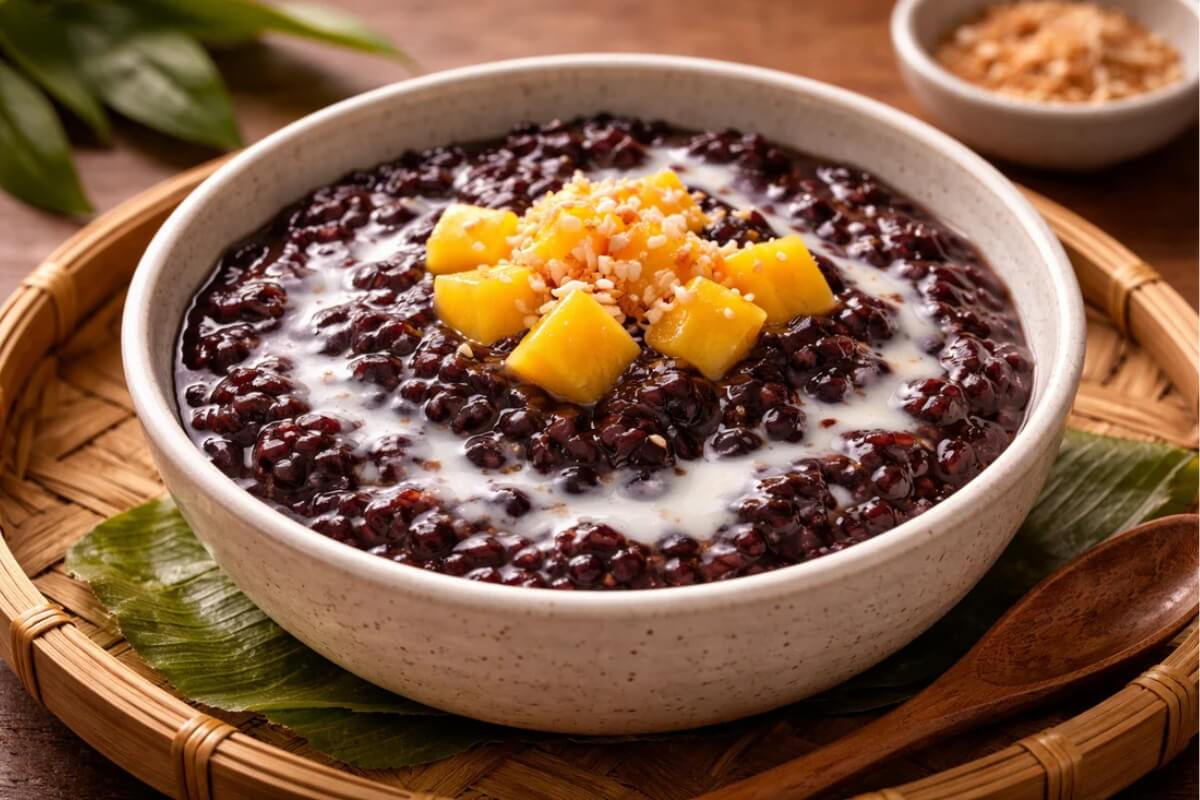
In some villages, black sticky rice is paired with sesame salt, grilled meats, or homemade rice wine.
The dish reflects the agricultural traditions of the northern mountains and remains an important part of local cultural identity.
Grilled Stream Fish
Thanks to Cao Bang’s clean rivers and mountain streams, freshwater fish plays an important role in local cuisine.
Fish are usually marinated with herbs, wild pepper, ginger, and forest spices before being grilled over charcoal fires. The result is light, fragrant, and incredibly fresh.
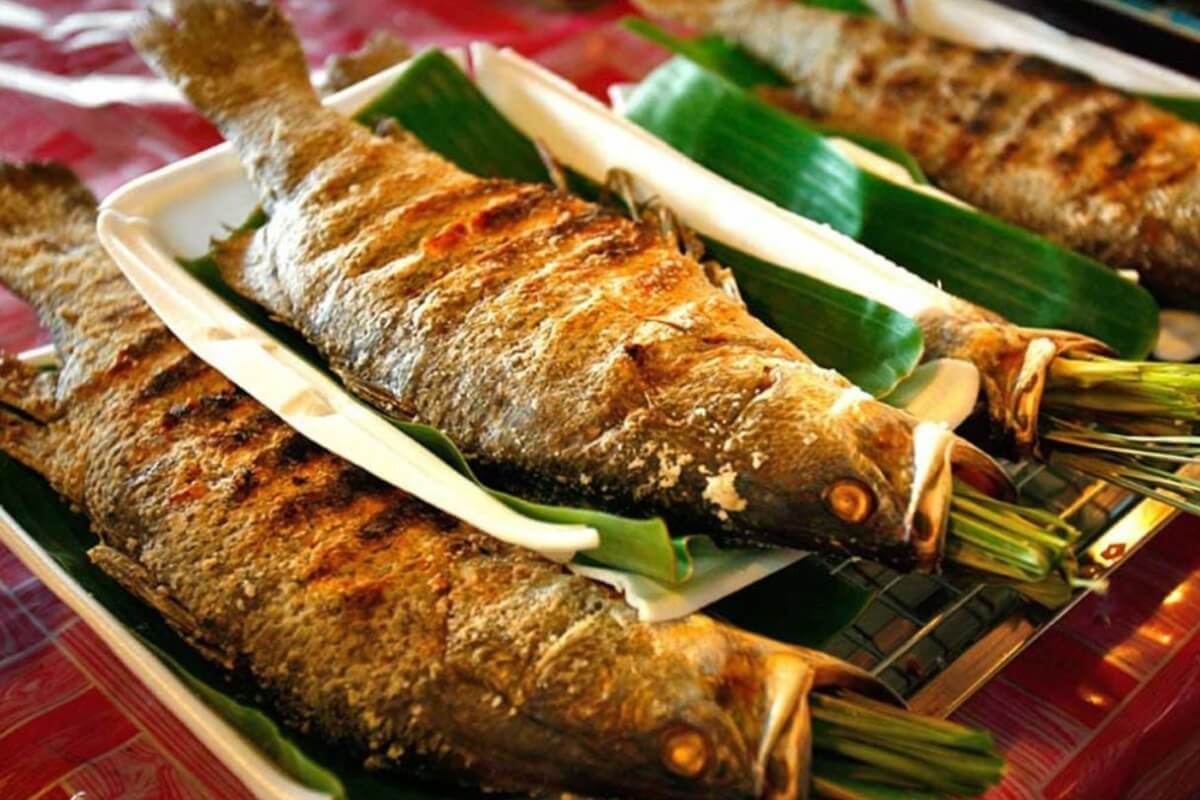
Many riverside homestays near Ban Gioc Waterfall serve grilled fish alongside seasonal vegetables and locally grown herbs.
The simplicity of the dish allows the freshness of the ingredients to stand out naturally.
Sticky Rice Cooked in Bamboo (Com Lam)
Com Lam is a traditional mountain dish found throughout northern Vietnam, but Cao Bang’s version is particularly authentic.
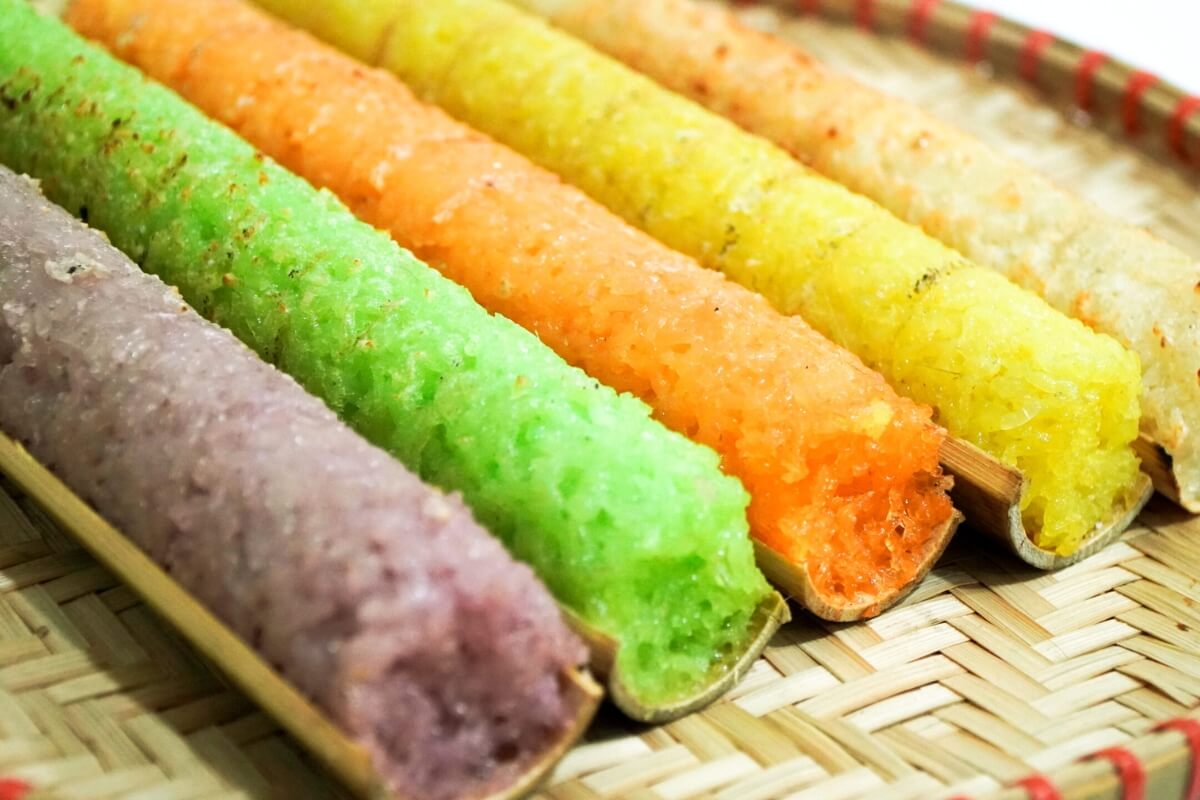
Sticky rice is placed inside fresh bamboo tubes together with spring water before being roasted slowly over open flames. The bamboo imparts a delicate woody fragrance while keeping the rice moist and tender.
Com Lam is often eaten with grilled pork, sesame salt, or smoked buffalo meat.
Duck Dishes from Cao Bang
Duck is widely used in Cao Bang cuisine, especially in noodle dishes and festive meals.
One of the most popular preparations is roasted duck marinated with local spices and herbs native to the northern mountains. The skin becomes crispy while the meat remains tender and aromatic.
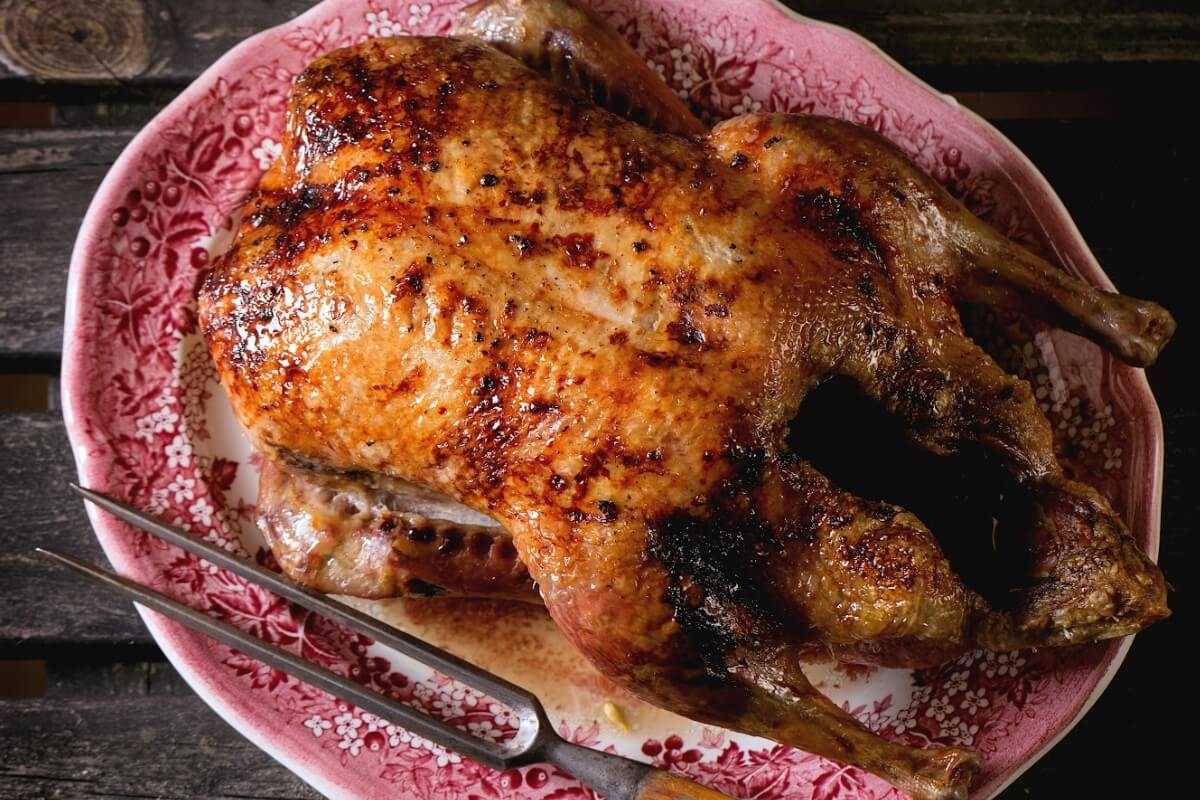
Duck is frequently served with Pho Chua or enjoyed as part of larger communal meals at local homestays.
The flavors are generally lighter and more herbal compared to Chinese-style roasted duck, making it particularly appealing to international travelers.
Traditional Corn Wine
Corn wine is a traditional alcoholic drink produced by ethnic minority communities throughout Cao Bang.
Made from fermented mountain corn and natural yeast, the wine has a smooth yet strong character. It is commonly shared during family gatherings, celebrations, and community meals.
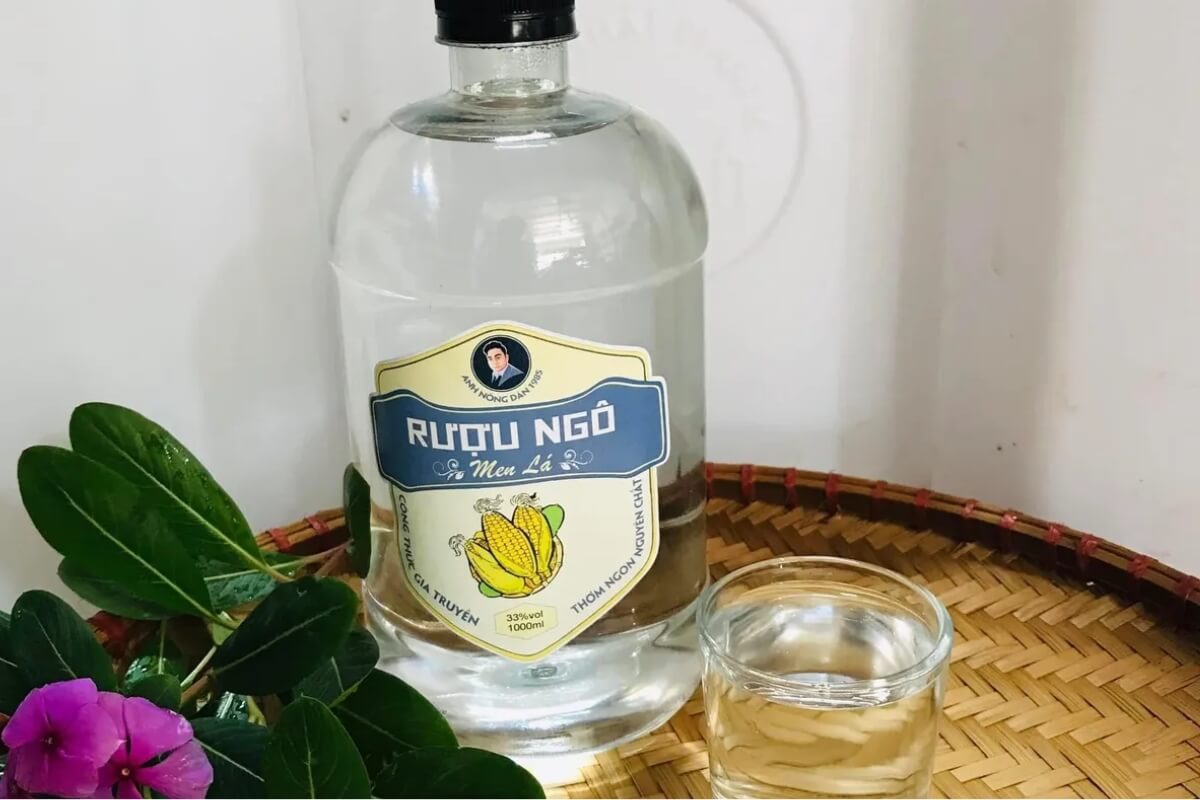
Visitors staying in local homestays are often invited to taste homemade corn wine as part of the cultural experience.
Drinking together is considered an important symbol of hospitality and friendship in many northern Vietnamese communities.
Travel Tips for the Cao Bang Loop
Prepare for Mountain Weather
Weather conditions in Cao Bang can change rapidly, especially in mountainous areas. Travelers should bring layers, waterproof clothing, and suitable footwear.
Download Offline Maps
Mobile signal can become unreliable in remote regions. Offline navigation apps are highly recommended for travelers doing the Cao Bang Loop independently.
Drive Carefully
Mountain roads can be narrow, winding, and occasionally slippery after rain. Travelers should avoid driving after dark whenever possible.
Respect Local Communities
Ethnic minority villages in Cao Bang remain culturally traditional. Visitors should dress respectfully, ask permission before photographing people, and support local businesses whenever possible.
Bring Cash
Many smaller villages and local restaurants may not accept international cards or digital payments.
FAQs About the Cao Bang Loop
Is the Cao Bang Loop worth it?
Absolutely. The Cao Bang Loop is considered one of the most rewarding travel experiences in Northern Vietnam for travelers seeking authentic landscapes, fewer tourists, and deeper cultural immersion. Unlike more crowded destinations such as Sapa or Ha Giang, Cao Bang offers peaceful mountain roads, dramatic limestone scenery, ethnic minority villages, and iconic attractions like Ban Gioc Waterfall.
For many international travelers, the Cao Bang Loop feels like discovering a hidden side of Vietnam that still remains untouched by mass tourism.
Can beginners ride the Cao Bang Loop?
Yes, many beginners successfully complete the Cao Bang Loop, especially compared to the more challenging Ha Giang Loop. Roads in Cao Bang are generally wider, less crowded, and easier to navigate.
However, mountain riding still requires caution and confidence, particularly during rainy season or foggy weather. Travelers without motorbike experience may prefer hiring an easy rider, joining a guided tour, or booking a private car with a local driver.
Safety should always be prioritized over adventure.
Is the Cao Bang Loop better than the Ha Giang Loop?
This is one of the most searched questions among travelers planning a Northern Vietnam itinerary.
The answer depends on your travel style. The Ha Giang Loop is more famous for extreme mountain scenery and backpacker culture, while the Cao Bang Loop offers a quieter, more refined, and culturally immersive experience.
Many travelers prefer Cao Bang because it has:
- Less traffic and fewer tourists
- Easier road conditions
- More diverse landscapes, including waterfalls, rivers, caves, and valleys
- More peaceful ethnic villages
- A slower and more authentic atmosphere
For travelers seeking nature, photography, comfort, and meaningful experiences rather than party tourism, the Cao Bang Loop is often considered the better option.
Is Cao Bang safe for international travelers?
Yes, Cao Bang is generally considered very safe for international visitors. Crime rates are low, local communities are welcoming, and the region has a peaceful atmosphere.
The biggest risks usually involve transportation, particularly motorbike accidents caused by poor weather, limited visibility, or inexperienced riding.
Travelers should avoid driving at night, wear proper safety gear, and check road conditions during rainy season.
Can you do the Cao Bang Loop without a motorbike?
Absolutely. Although the Cao Bang Loop is famous as a motorbike adventure, many travelers explore the region by private car, jeep tour, or guided excursion.
This option is particularly popular among couples, families, photographers, and travelers aged 35 and above who prefer a more relaxed travel experience.
Private transportation also allows visitors to enjoy the scenery comfortably while learning about local culture from experienced guides.
What should you pack for the Cao Bang Loop?
Travelers should pack comfortable clothing suitable for mountain weather, including layers for cool evenings and waterproof gear during rainy periods.
Other recommended items include:
- Good walking shoes
- Sunscreen and insect repellent
- A lightweight rain jacket
- Power banks and offline maps
- Cash for remote villages
- Camera equipment for photography enthusiasts
The weather in Cao Bang can change quickly, especially in higher mountain areas.
Is Cao Bang suitable for family travel?
Yes, Cao Bang can be an excellent destination for families seeking nature, outdoor activities, and cultural experiences away from crowded tourist cities.
Families often enjoy visiting Ban Gioc Waterfall, taking bamboo raft rides, exploring caves, and staying in peaceful countryside lodges.
Private transportation is generally recommended for families with children or older travelers for greater convenience and safety.
The Cao Bang Loop is more than a scenic road trip. It is a journey into one of Vietnam’s most untouched and culturally rich regions.
Here, travelers encounter towering limestone mountains, hidden waterfalls, authentic ethnic communities, peaceful valleys, and roads that still feel undiscovered.
For international travelers seeking refined adventure, natural beauty, meaningful cultural experiences, and slower forms of exploration, the Cao Bang Loop stands among the most rewarding journeys in Southeast Asia.