
Hanoi Tourist Attractions - Best Places to Visit in Hanoi, Hanoi Travel Blog - Hanoi Introduction & Information
Luxury Hanoi Travel Guide 2027 – Where to Stay, Dine & Explore Privately
23
Sep
Sep
Hanoi does not reveal itself through polished attractions alone. Its character is found in the contrast between early-morning flower sellers and quiet colonial villas, strong coffee served on tiny stools and tasting menus presented in elegant dining rooms. For luxury travellers, the city works best when these different sides are allowed to sit together rather than being separated into a checklist of “premium” experiences.
Our Hanoi-based team has planned and operated journeys here for years, and one pattern appears repeatedly: travellers enjoy Hanoi more when they do slightly less each day. Traffic can turn a short-looking distance into a slow transfer, pavements are uneven, and the Old Quarter can feel overwhelming after a long international flight. A thoughtful plan matters more than adding another attraction.
This luxury Hanoi travel guide is written for couples, families and mature travellers who value comfort, cultural depth and well-managed logistics. It explains where to stay, which experiences are worth prioritising and where paying more genuinely improves the journey.
What Luxury in Hanoi Actually Means
Luxury in Hanoi is not simply a five-star room. The most valuable upgrades are often less visible: an airport representative waiting when your flight arrives late, a guide who adjusts the pace when the weather changes, a vehicle close enough to avoid an unnecessary walk, or a restaurant reservation timed around-not during-evening traffic.
The city rewards curiosity, but it does not always reward rigid schedules. We have seen carefully planned days become tiring because too many stops were placed back-to-back. In practice, two substantial visits, a good lunch and an unhurried evening usually create a better day than six hurried landmarks.
A useful luxury Hanoi travel guide should therefore help you protect your time and energy. It should also be honest about trade-offs. A hotel beside the Old Quarter provides convenience but not complete silence. A lakeside retreat offers space and calm but requires longer transfers to central attractions. Neither choice is universally better.
Where to Stay in Hanoi – Choose the Area Before the Hotel
The French Quarter: Best for First-Time Luxury Travellers
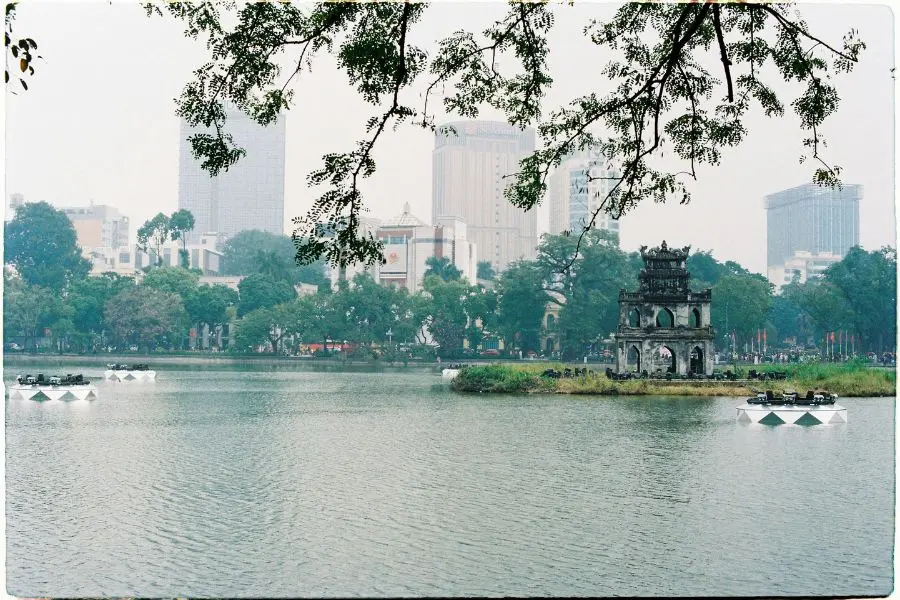
For most first-time visitors, the French Quarter is the easiest base. It is close to Hoan Kiem Lake, Hanoi Opera House, galleries, restaurants and the edge of the Old Quarter, while generally feeling calmer than the busiest historic streets.
For that reason, our luxury Hanoi travel guide generally recommends the French Quarter as the safest all-round choice for a first visit.
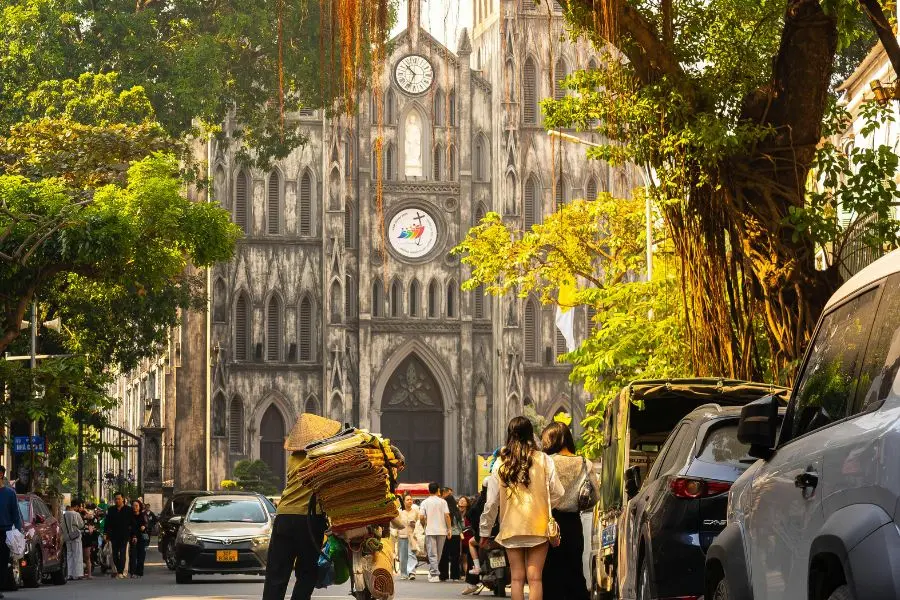
Sofitel Legend Metropole Hanoi suits travellers who value heritage, formal service and a strong sense of place. Capella Hanoi has a more theatrical, intimate personality and works particularly well for design-focused couples. These are not interchangeable hotels: the Metropole feels like a historic institution, while Capella feels more like a highly styled urban retreat.
Our practical advice is to check the exact room category, not only the hotel name. View, floor, wing and connecting-room arrangements can noticeably change the stay. This is one of the small details that generic hotel lists-and many versions of a luxury Hanoi travel guide-often overlook.
The Old Quarter – Best for Atmosphere and Walkability
Stay in the Old Quarter if you want Hanoi tour immediately outside the door. Food stalls, cafés, markets and small temples are easy to reach, and the area remains lively well into the evening.
The compromise is noise and congestion. Even an attractive boutique hotel may face a busy street, and vehicle access can become difficult at certain times. Light sleepers should request a higher-floor interior room and confirm whether nearby construction or weekend pedestrian-zone restrictions could affect arrival.
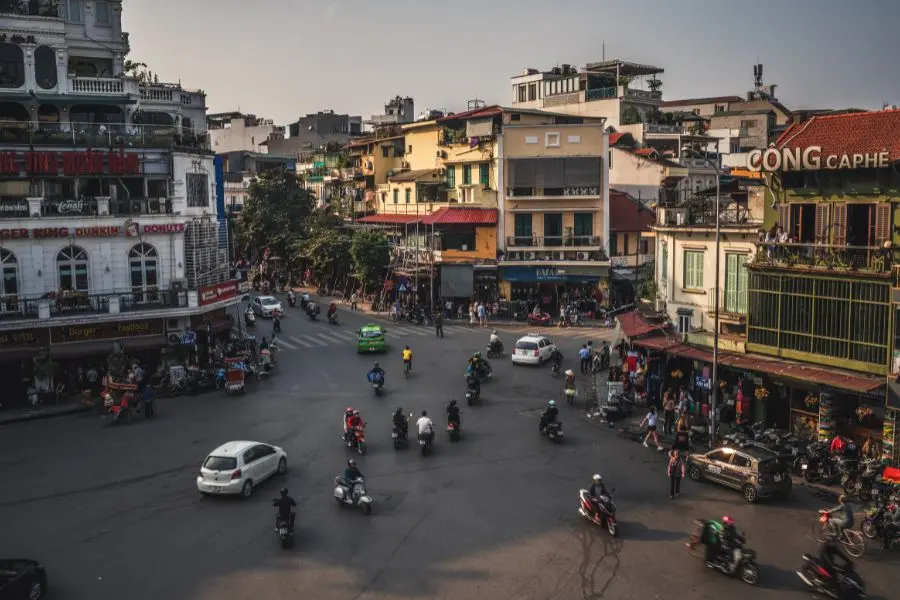
The Old Quarter is often a good fit for a shorter two-night stay. For four nights or more, some travellers prefer the additional space and calmer evenings of the French Quarter or West Lake.
In this luxury Hanoi travel guide, we suggest choosing the Old Quarter for energy and access-not because it will deliver the quietest or most spacious stay.
West Lake: Best for Space, Privacy and Slower Mornings
West Lake is better suited to repeat visitors, families and travellers who do not need to walk to every major sight. The area offers larger rooms, lake views, international restaurants and a more residential rhythm.
InterContinental Hanoi Westlake is distinctive for its overwater rooms and lake setting. However, the same peaceful location means additional driving time when sightseeing around Hoan Kiem and the Old Quarter. In our experience, West Lake works best when the itinerary includes free time at the hotel rather than full-day touring from morning until night.
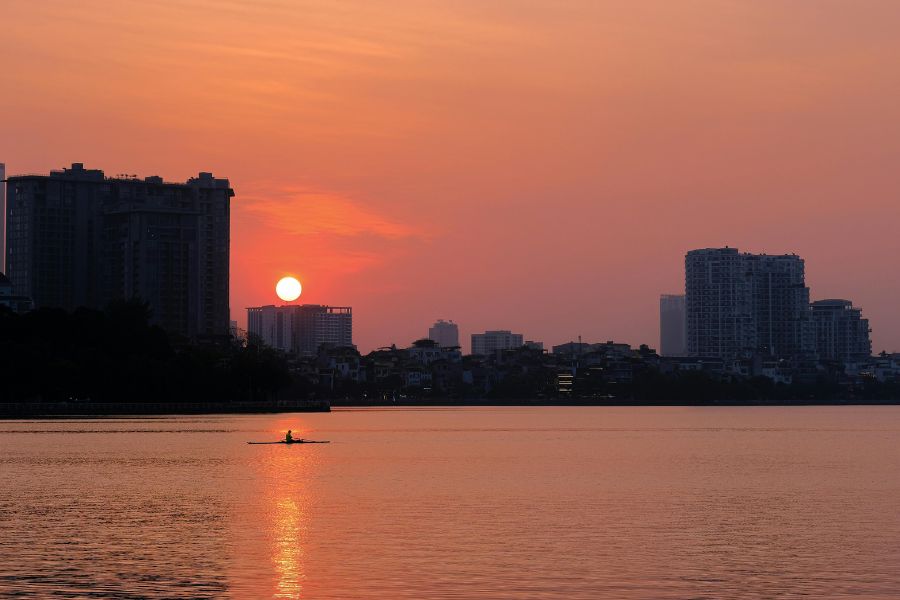
This luxury Hanoi travel guide does not recommend West Lake simply because it feels exclusive. Choose it when you will genuinely use the space, view and slower pace.
The Private Experiences Worth Prioritising
The experiences selected for this luxury Hanoi travel guide favour meaningful access, knowledgeable interpretation and sensible pacing over expensive add-ons with little local value.
Begin With a Well-Paced Heritage Walk
A private walk through the French Quarter and Old Quarter is one of the best introductions to Hanoi, but timing is important. Early morning offers cooler air and a view of local routines before the streets become busy. Late afternoon has more energy but also heavier traffic and crowded pavements.
A knowledgeable guide should do more than identify buildings. They should explain why the city developed as it did, help you cross busy streets confidently and know when to pause for coffee. If mobility is a concern, the route should be shortened in advance rather than improvised after fatigue sets in.
Visit the Temple of Literature Before the Day Becomes Crowded
The Temple of Literature is familiar, but it remains worthwhile when visited with context and at a sensible hour. Allow time to understand its courtyards, stone stelae and role in Vietnam’s scholarly tradition. Rushing through it in 20 minutes turns a meaningful place into a photography stop.
Experience Hanoi Through Food, Not Just Fine Dining
A refined Hanoi itinerary should include both polished restaurants and local dishes. Bun cha, pho, banh cuon and egg coffee reveal different parts of the city’s identity. The key is choosing clean, reliable venues and arranging transport intelligently, not replacing local food with hotel dining for every meal.
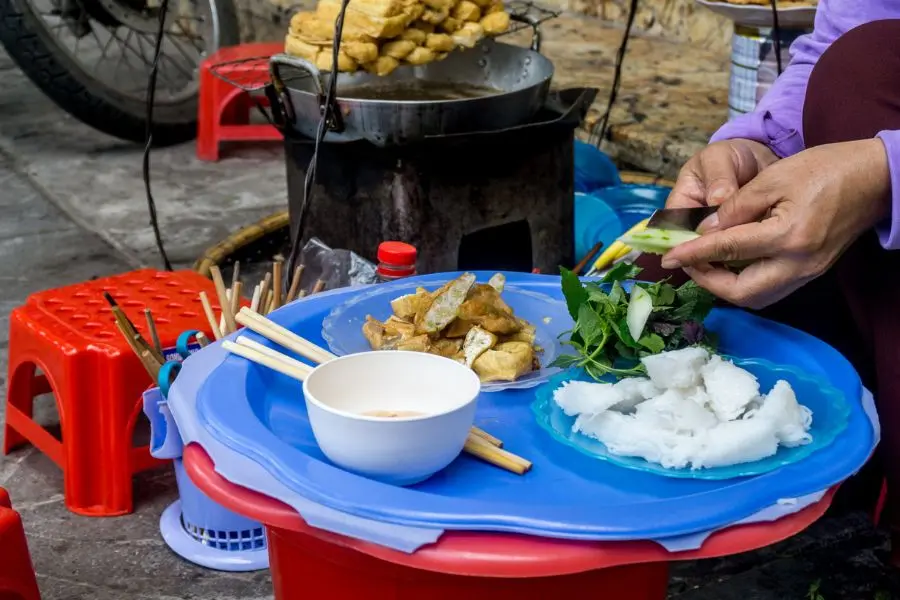
We normally advise travellers to schedule only one elaborate tasting menu during a three-night stay. Fine dining is memorable, but consecutive long dinners can become exhausting after full sightseeing days. This balanced approach is central to our luxury Hanoi travel guide: quality matters more than collecting famous reservations.
Add a Quiet Cultural Experience
Hanoi becomes more personal when the itinerary includes a smaller-scale encounter: a private tea session, a studio visit with a local artist, a carefully guided museum visit or a hands-on cooking experience with meaningful explanation. Availability varies, so these should be confirmed rather than promised vaguely as “exclusive access.”
That distinction matters. Genuine luxury travel depends on reliable arrangements and respectful access, not impressive wording in an itinerary.
Dining in Hanoi: How to Choose Well
Hanoi now offers everything from family-run kitchens to contemporary Vietnamese tasting menus. Instead of ranking restaurants from “best” to “worst,” choose by occasion.
Our luxury Hanoi travel guide treats dining as part of the cultural journey rather than a separate list of fashionable venues.
- Select a tasting menu for a birthday, anniversary or final evening.
- Choose a respected Vietnamese restaurant when travelling with family members who need comfort, air-conditioning and a broad menu.
- Use a guided street-food experience for local context and help with ordering.
- Keep at least one evening flexible. Travellers often appreciate a simple bowl of noodles more than another formal dinner by the third night.
Dietary requirements need to be communicated precisely. “Vegetarian” may still be interpreted differently between kitchens, while allergies require direct confirmation rather than assumptions. A strong luxury Hanoi travel guide should mention this because smooth dining is partly a logistical achievement.
How Many Days Do You Really Need?
Three nights is the practical minimum for most first-time luxury travellers. It allows one main sightseeing day, one lighter cultural or culinary day and enough flexibility to recover from the international flight.
Four nights works better if you want spa time, shopping, a deeper food experience or an unhurried day outside the historic centre. Two nights can work as part of a longer Vietnam itinerary, but the schedule should remain selective.
Rather than filling every hour, this luxury Hanoi travel guide recommends planning around energy levels, meal times and the location of each visit.
A sensible three-night outline looks like this:
- Day 1: Private airport transfer, early check-in if available, light neighbourhood walk and relaxed dinner.
- Day 2: Heritage-focused city tour, long lunch break and an evening performance or tasting menu.
- Day 3: Market or food experience, Temple of Literature, private cultural activity and free time.
- Day 4: Depart for Ninh Binh, Ha Long Bay or the airport.
This structure leaves breathing room. In Hanoi, that is not wasted time; it is what allows the city to feel enjoyable.
When to Visit Hanoi
September to December is often the most comfortable period for walking and outdoor dining. Spring can also be pleasant, although humidity and light rain are possible. Summer is hot and humid, with sudden heavy showers, while winter can feel surprisingly cool because many indoor spaces are not heated to the same level travellers may expect at home.
Weather should influence the order of each day. During hotter months, schedule outdoor visits early, keep the middle of the day lighter and carry a backup plan for rain. Any responsible luxury Hanoi travel guide should build in alternatives instead of treating weather as an afterthought.
Tet, Vietnam’s Lunar New Year period, requires particular care. The atmosphere can be fascinating, but restaurant hours, guide availability and transport arrangements may change. Book early and reconfirm every important service.
Private Transport: Where Comfort Makes a Real Difference
Private transport is valuable in Hanoi, but vehicle size matters. A large luxury van may be comfortable on main roads yet inconvenient in narrow Old Quarter streets. Pick-up points should be agreed in advance, especially around pedestrian zones.
For airport transfers, build in extra time during peak periods and share the correct flight number, not only the arrival time. If travelling with children, older family members or significant luggage, confirm seating and storage requirements before arrival.
The same principle applies to day trips. Ninh Binh and Ha Long Bay appear close to Hanoi on a map, but they should not be treated like quick city excursions. A good vehicle, a realistic departure time and properly planned rest stops matter more than decorative “VIP” labels.
A realistic luxury Hanoi travel guide must discuss transport because poor routing can undermine an otherwise excellent hotel and sightseeing plan.
Common Mistakes Luxury Travellers Make in Hanoi
The recurring mistakes below are included in this luxury Hanoi travel guide because they usually result from overplanning, not from choosing the wrong attraction.
Booking the Highest-Rated Hotel Without Considering Location
A beautiful hotel can still be wrong for your itinerary. Select the neighbourhood first, then compare properties within it.
Planning Every Hour
Hanoi is unpredictable in small ways: traffic slows, weather changes and a café stop lasts longer than expected. Leave space for the city to happen.
Assuming Expensive Means Authentic
Price can buy comfort, privacy and consistency. It does not automatically create cultural depth. The best trips combine premium services with genuine local encounters.
Treating Hanoi Only as a Gateway
Many travellers rush directly to Ha Long Bay or Ninh Binh. Both are worthwhile, but Hanoi deserves more than one tired evening after a flight. As this luxury Hanoi travel guide makes clear, the capital is not merely a transfer point; it is one of the most layered parts of a Vietnam journey.
Who Should Use a Travel Specialist?
Independent booking is perfectly realistic for travellers who enjoy research and have a simple itinerary. A specialist becomes more useful when the journey includes multiple destinations, private guides, special dietary or mobility requirements, peak-season travel, or several generations travelling together.
No luxury Hanoi travel guide can replace a personal conversation when those requirements are complex or unusually specific.
For travellers extending their stay beyond the capital, working with luxury travel specialists in Vietnam can help align hotel choices, private transfers and regional experiences into one coherent journey.
Before booking, ask who will support you during the trip, how changes are handled and whether the itinerary includes realistic transfer times. Those answers reveal more than glossy descriptions.
Final Thoughts
Hanoi is at its best when comfort creates room for curiosity. Stay in the French Quarter for convenience and heritage, choose the Old Quarter for immediacy, or retreat to West Lake for space and quiet. Eat somewhere refined, but also make time for a simple local meal. Visit important landmarks, but do not rush between them.
The central message of this luxury Hanoi travel guide is simple: do not try to make Hanoi feel perfectly controlled. Arrange the difficult details well, leave space in the schedule and let the city remain textured, surprising and unmistakably itself.