
Hanoi Travel Blog - Hanoi Introduction & Information
Half-Day Hanoi Corporate Tour Planning For A Fixed Meeting Schedule

09
Oct
Oct
A company group has finished a morning meeting in Hanoi. They have an afternoon before another business commitment, so a short outing seems straightforward. The difficulty is that the time between meetings is not the same as the time available for sightseeing. Getting participants out of the meeting room, gathering at the vehicle, reaching the first stop and returning to the correct entrance all consume part of that window.
For half-day Hanoi corporate tour planning, work backwards from the next commitment. Protect the return time first, then choose one main experience that fits the remaining time. Add a second stop only if it can be removed without changing the purpose of the outing. This approach gives the organiser a practical answer when a meeting runs late.
For a company considering Viet Vision Team Building within this outing, the practical question is how a designed activity can use the time that remains after travel and essential transitions. Share the meeting schedule before asking for a programme. The activity proposal should fit the verified slot and explain the briefing, participation, and closing time, rather than being added as an extra stop after the route is agreed.
Calculate The Time The Group Can Actually Use
Begin with two times: when the meeting host will release the group and when everyone must be ready for the next session. “Ready” might mean seated in a conference room, rather than arriving outside a hotel. Ask the meeting organiser to define this precisely. A programme that returns to the building at the starting time of the next session has already missed its handover.
Subtract the agreed allowance for gathering, both transfers, vehicle loading, rest and the final walk to the next room. Obtain transfer estimates for the actual pickup point and proposed route from the local operator. A distance on a map is not a complete group movement estimate. The following calculation is an illustration, not a forecast of Hanoi traffic.
| Time Item | Illustrative Allowance | What To Confirm |
|---|---|---|
| Available calendar window | 210 minutes | Meeting release to next-session readiness |
| Gathering and boarding | 20 minutes | Pickup entrance and attendance check |
| Outbound and return transfers | 60 minutes combined | Operator estimates for the proposed route |
| Rest, toilets and regrouping | 20 minutes | Where the group can pause |
| Return handover and contingency | 30 minutes | Time to reach the meeting room |
| Remaining experience time | 80 minutes | The main visit and any optional activity |
If the meeting finishes twenty minutes late, the available experience time falls from eighty to sixty minutes in this example. Do not recover that loss by quietly removing rest or asking the driver to make up time. Revise the experience before departure so the guide and participants receive the same plan.
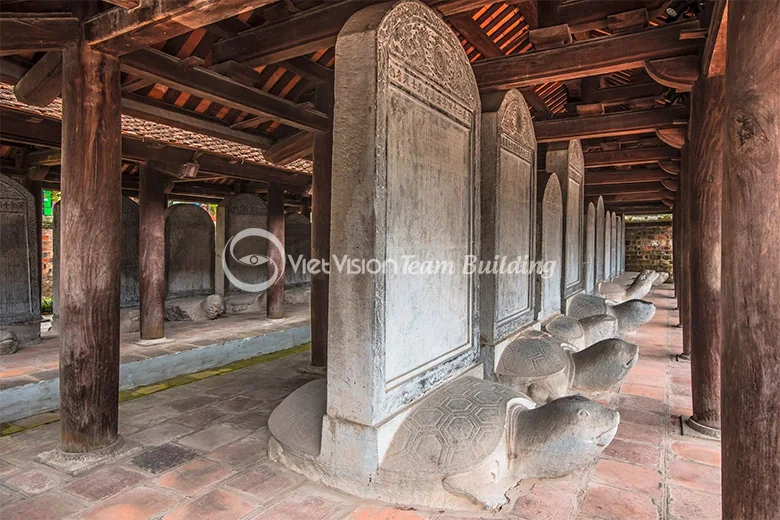
Choose One Main Experience And One Removable Extra
Give the outing a simple purpose. It might introduce visiting colleagues to Hanoi, allow informal conversation after a conference, or create a short shared activity before dinner. These purposes suggest different uses of limited time. A focused cultural visit can work for an introduction; several scattered stops can leave little room for conversation.
If you are still choosing the main experience, Hanoi Local Tour’s guide to attractions for MICE delegates in Hanoi provides a starting list. Use it to shortlist one experience, then ask the operator to check access, visiting conditions and the route for your date. The attraction list should inform the time plan rather than become a promise to fit every place into one afternoon.
Make the extra genuinely optional. A brief photo pause near the main visit is easier to remove than a separately booked activity with a fixed start. Write down what will be dropped first, who approves that decision and what participants will be told. An optional stop should never be the part of the outing that senior management considers essential.
Build A Schedule With Clear Handover Points
For an illustrative group of thirty participants, a run sheet should identify who releases the group from the meeting, who checks attendance before boarding and who receives the group on return. These are responsibilities to assign, not additional staffing claims. One person may hold more than one role if the timing allows it.
| Illustrative Time | Programme Block | Handover Or Decision |
|---|---|---|
| 13:00–13:20 | Meeting release, gathering and boarding | Company contact confirms attendance and departure |
| 13:20–13:50 | Outbound transfer | Guide gives the revised programme and meeting point |
| 13:50–15:10 | Main experience | Guide protects the agreed end of the visit |
| 15:10–15:30 | Rest, toilets and regrouping | Company contact and guide confirm readiness to board |
| 15:30–16:00 | Return transfer | Company contact informs the receiving host of changes |
| 16:00–16:30 | Contingency, arrival and next-session preparation | Participants reach the agreed room before the session |
These blocks illustrate the calculation above; they do not represent a bookable itinerary or a travel-time guarantee. The actual run sheet needs the operator’s route estimate and the venue’s arrangements. Record the vehicle loading point separately from the hotel address, especially when the meeting room, lobby and coach entrance are in different places.
Give participants one meeting point and one regrouping time after the visit. If the group is divided between vehicles, assign a contact for each vehicle and a way to report missing participants before either vehicle leaves. Avoid making the guide reconcile several versions of the schedule sent through different company chat groups.
Add A Team Activity Only When The Time Supports It
A short sightseeing visit can already be valuable. It does not need a game added to justify the afternoon. If the company wants structured interaction, specify what participants should do together and how much preparation, instruction and closing time that requires. A twenty-minute activity needs more than twenty minutes in the calendar once the group has to gather, understand the task and move on.
For example, a quiet observation discussion may fit an approved pause, while a scored challenge may require permission, equipment, dedicated space and separate facilitation. Do not arrange games in a public attraction simply because the group has spare time. Confirm what the venue permits and keep the experience respectful of other visitors.
When the outing includes a separately delivered company activity, ask Viet Vision Team Building to discuss the activity scope against the actual time window. The request should identify the objective, venue permissions, available space and handover with the sightseeing guide. The website is in Vietnamese; confirm the language and precise delivery responsibilities required for your group rather than assuming they are included in a tour booking.
Agree What Happens When The Meeting Runs Late
Create a short decision rule before the day. If the release time slips but the main visit still fits, remove the optional extra. If the usable time no longer supports the booked experience, ask the operator for an agreed alternative or follow the cancellation terms. Do not send the group to the vehicle while the organiser is still deciding which plan applies.
The return deadline should remain visible on the guide’s run sheet. So should the company decision-maker’s contact and any approval needed to change a paid reservation. Protecting the schedule is easier when everyone knows which elements are flexible and which involve financial or attendance commitments.
Before departure, check the release time, attendance, pickup point, main visit, rest point and final handover. After the outing, note whether the allowances were realistic and which transition took longest. This gives the company useful planning evidence for its next visit without pretending a single successful afternoon proves a wider team-development outcome.
Questions Organisers Often Ask About Hanoi Corporate Tour
Is A Half-Day Window Enough For A Company Outing?
It can be, if the usable time supports one worthwhile experience after gathering, transfers, rest and return preparation. Ask for a route-specific plan before committing to multiple stops.
Should We Include A Team Activity In Every Short Tour?
No. Include one when the company has a clear interaction objective and enough time for the briefing, participation and close. A focused cultural visit may better serve a short window.
Which Part Should Be Cut If We Start Late?
Remove the optional element agreed in advance. Keep the return deadline and essential group needs intact; if the main experience no longer fits, use the approved alternative or booking terms.
This guide was prepared with AI-assisted drafting by Viet Vision Team Building. To plan the sightseeing route, send Hanoi Tour your meeting location and fixed return time, together with the group size and intended purpose.