
Hanoi Travel Blog - Hanoi Introduction & Information
Hanoi Corporate Tours For Mixed Mobility Groups: How To Plan Participation
09
Oct
Oct
A company group may include people who enjoy a long walking visit, people who prefer a shorter route and people who need specific access arrangements. Age, job title and nationality do not reliably tell the organiser which category a person belongs to. Ask about the experience participants want and the arrangements they need.
Hanoi corporate tours for mixed mobility groups should be planned around verified route conditions and meaningful participation choices. The aim is not to make everyone perform the same movement. It is to give colleagues a shared purpose, workable access and a clear way to stay connected throughout the outing.
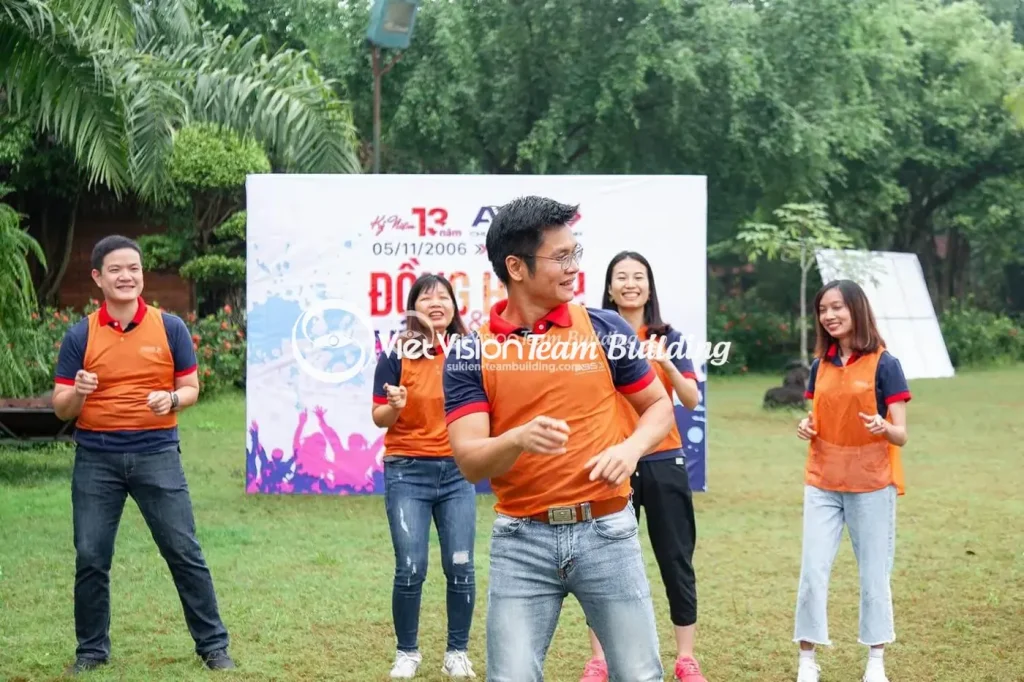
When a Viet Vision Team Building session forms part of the visit, describe these participation needs in the activity brief as well as the sightseeing request. Ask how the proposed task gives colleagues useful roles with different movement demands. Coordinate the rest and regrouping points with the tour guide so the activity design and travel arrangements support the same people.
Ask About Practical Needs Without Labelling People
Use a private response channel before the route is booked. Ask what length of walking people are comfortable with, whether stairs or standing are concerns and whether they need seating, assistance or another arrangement. Allow a participant to discuss a need directly with the organiser rather than explaining it in a public company chat.
Collect only the information needed to make the relevant arrangements. A route-planning survey does not need to become a request for everyone’s medical history. If a participant needs advice about their own health or ability to take part, they should seek appropriate individual guidance. The organiser’s task is to understand and communicate the practical requirement, not diagnose it.
| Useful Question | Planning Purpose | Follow-Up |
|---|---|---|
| What walking duration feels comfortable for this outing? | Set the pace and break pattern | Compare the response with the verified route |
| Would seating or shorter standing periods help? | Identify rest needs | Confirm where seating is actually available |
| Are stairs, entrances or vehicle boarding a concern? | Check access arrangements | Ask the operator about the specific route and vehicle |
| Would you prefer an alternative role in an activity? | Design meaningful choices | Agree the role without public labelling |
| How would you like to discuss a requirement? | Provide a discreet communication route | Share only the operational information needed |
Keep the questions neutral. “Would you prefer a shorter walking section?” is more useful than assuming older colleagues need an easy programme. Review the responses before selecting the tour, and update the arrangements if the confirmed attendance changes.

Check The Whole Journey Rather Than One Entrance
An attraction may have a suitable entrance while the route to that entrance remains difficult for part of the group. Ask the operator to check the vehicle drop-off, path surfaces, steps, walking distance, stopping points and the return route. Confirm the particular spaces the group will visit rather than relying on a general description of the destination.
For illustration, a short path from the vehicle may lead to a visit that involves prolonged standing. Another route may involve more walking but offer useful seats and pauses. The organiser needs both the movement and waiting information to compare them. A label such as “light tour” does not answer these practical questions.
Hanoi Local Tour’s guide to Hanoi attractions for MICE delegates can help begin a cultural shortlist. Before committing, ask for current access details for the exact visit. A place’s cultural appeal should be considered alongside the group’s practical needs; a general attraction guide is not an accessibility assessment.
Check vehicle boarding and loading arrangements too. State any required assistance or equipment in advance and ask the operator to confirm whether the proposed vehicle and service can meet it. Do not present a vehicle as accessible solely because it is privately booked.
Build A Shared Programme With Participation Choices
Start with a common arrival, briefing and closing moment. Between those points, the group may use different participation options if the venue, staffing and timetable support them. The options should be explained as normal choices in the programme, not as a special track for a publicly identified category of employees.
For example, a cultural visit could include a shorter approved section with a seated explanation and a longer guided section, followed by a shared regrouping. This is a design possibility, not a claim that any particular Hanoi attraction offers it. Confirm permissions, staffing and meeting points before proposing it to participants.
If two groups separate, name the contact responsible for each one and the location and time at which they reunite. A person choosing the shorter option should not be left without guidance or useful content. Avoid giving one group an interesting activity while the other simply waits for the programme to end.
For a shared company task, create roles with different movement demands: observing, arranging information, recording a decision or explaining a team result, where those roles serve the actual task. Keep the contribution meaningful. A participant should not be placed in an honorary role with no influence simply because they prefer less physical activity.
Compare Activities By Participation Rather Than Appearance
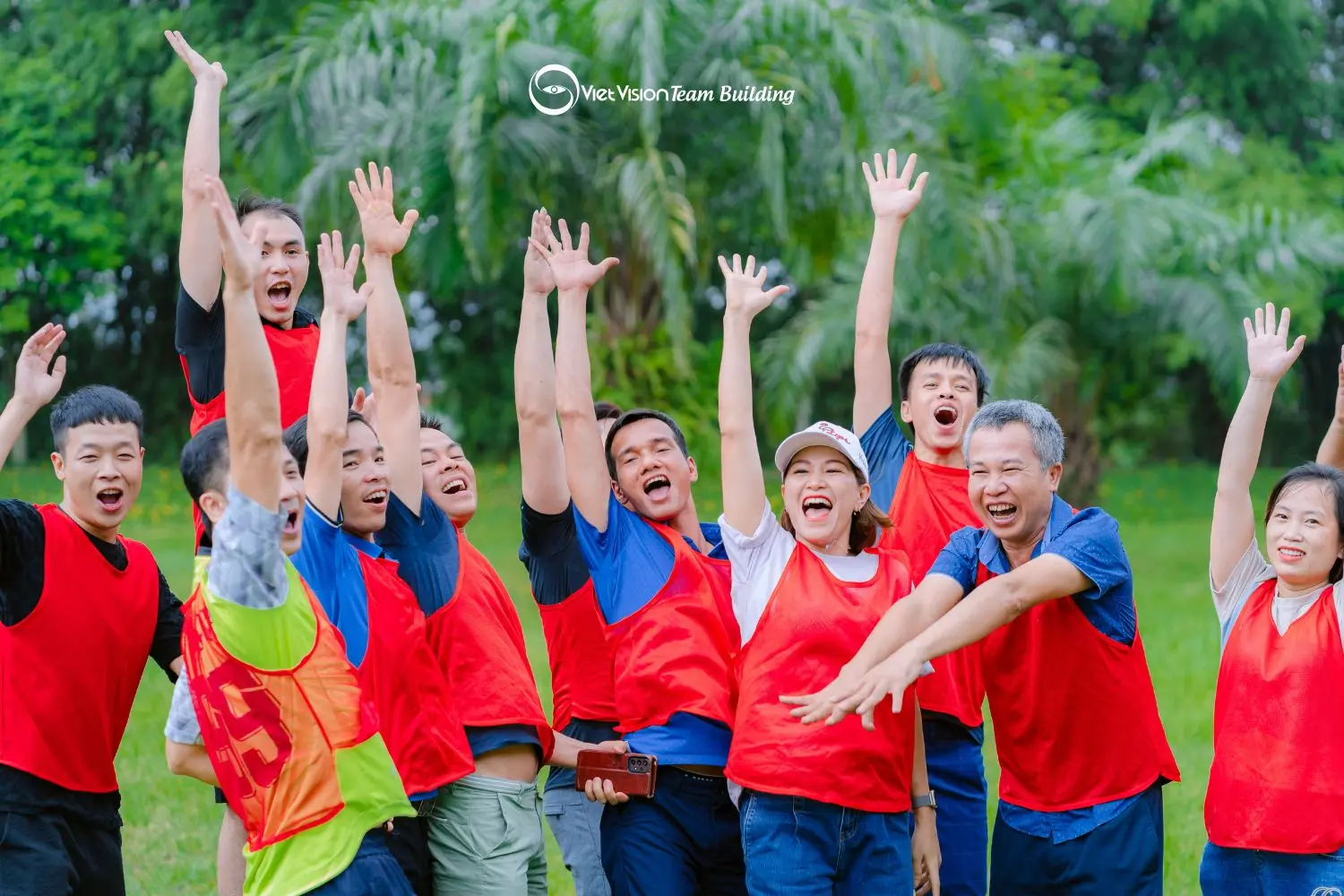
A colourful game photograph does not show whether every colleague can take part. Ask the facilitator how people enter the task, which actions are required and what alternatives are available. Consider the explanation and decision stages as well as the physical part.
| Design Choice | Question To Ask | Useful Adjustment To Discuss |
|---|---|---|
| Movement-based task | Which movements are essential? | Alternative roles that contribute to the same result |
| Timed challenge | Does the time limit exclude some participants? | Adjust the format rather than pressuring people to rush |
| Instructions | Can participants hear, see and understand them? | Clear demonstration and a check before starting |
| Group split | Who stays with each option? | Named leads and a shared regrouping point |
| Closing discussion | Can each role contribute? | Invite observations from different parts of the task |
For more detail on designing participation across age groups, Viet Vision Team Building’s guide to mixed-age team activities provides a Vietnamese-language planning reference. Use it to discuss activity choices with a Vietnamese-speaking colleague if helpful. Individual access needs should still come from participants and be checked with the responsible operator; age alone should not decide anyone’s role.
Protect The Rest And Regrouping Time
Rest is a programme element, not leftover time after every attraction has been fitted in. Ask where the group can pause, sit if needed, use toilets and regroup without obstructing others. Verify these arrangements for the route rather than promising a convenient stop that has not been confirmed.
Allow for the transition between the rest point and the vehicle. A schedule that ends the visit at the boarding time gives participants no time to reach the loading point. If the group uses different route options, check whether their return times are compatible with one departure.
Where the timetable is fixed, reduce the number of experiences before reducing necessary rest or pressuring people to move faster. Communicate the final pace and practical expectations before the day. Participants should know enough to make an informed choice about the outing and contact the organiser about arrangements.
Check What Worked After The Outing
Ask whether the route description matched reality, rest points were usable and alternative roles felt worthwhile. Offer a private channel for feedback about participation needs. Review operational facts with the guide and activity lead without turning individual requirements into public discussion.
Use the findings to improve the next brief: clearer walking information, a different loading point, more realistic breaks or a revised task. Do not measure inclusion only by whether everyone appears in the final group photo. What matters for planning is whether participants had a practical way to engage in the experience.
Questions About Participation Planning
Should Age Determine Which Tour Option A Person Uses?
No. Ask about preferences and practical needs. People of the same age can have different requirements and interests.
Can A Private Tour Be Assumed To Be Accessible?
No. Verify the specific vehicle, loading point, route and venues against the requirements shared by participants. Private booking alone does not establish access.
Can Less Physical Roles Still Be Part Of Team Building?
Yes, when those roles make a meaningful contribution to the same task and closing discussion. Ask the facilitator to explain how participation is designed.
This guide was prepared with AI-assisted drafting by Viet Vision Team Building. To assess a sightseeing route, share your group’s practical participation requirements with our Hanoi Tours travel experts before confirming the programme.