
Hanoi Travel Blog - Hanoi Introduction & Information
Vietnamese Breakfast in Hanoi – What Do Hanoians Eat for Breakfast?
03
Jan
Jan
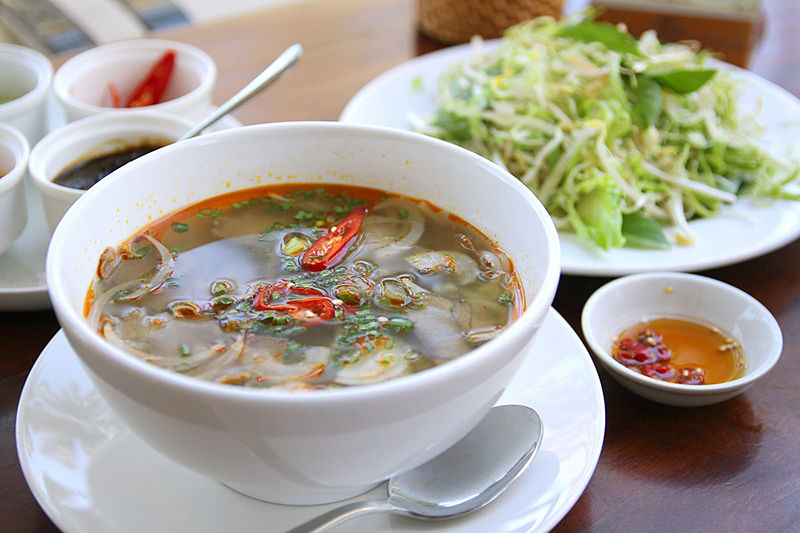
Vietnamese breakfast food becomes a special feature in Vietnam, especially in Hanoi – the ancient capital. Breakfast plays an essential role as the energy source for a whole day, but nowadays Vietnamese breakfast is always rushed to fit the Hanoian lifestyle. “Where to go?” “What to eat?” are always confused people much, thus here are our suggestions for your best Hanoi tours.
What is An Authentic Breakfast in Vietnam?
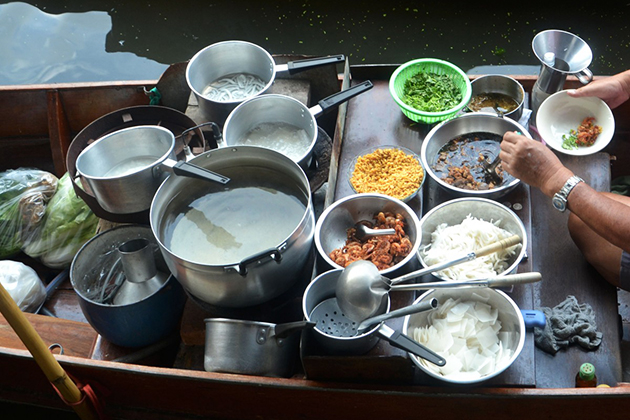
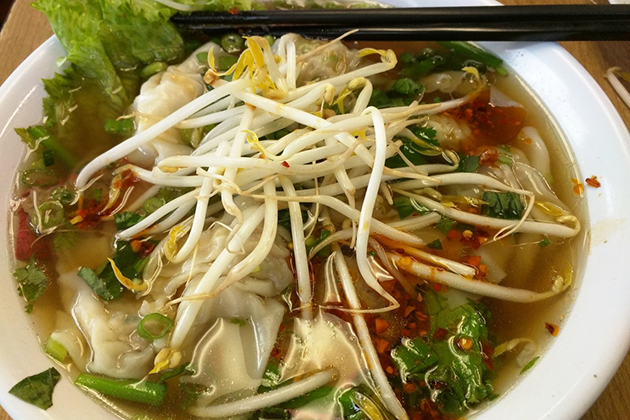
Hanoians have a surprisingly wide choice of morning dishes. While pho is internationally recognised as the classic Vietnamese breakfast, locals do not necessarily eat pho every morning. Depending on the neighbourhood, the season, personal preference and the time available, a Hanoian may choose pho, banh cuon, xoi, banh mi or another noodle or rice-based dish.
A useful way to understand Hanoi breakfast food is to think about its balance between convenience and freshness. Most dishes are prepared or assembled quickly, but the ingredients themselves are often cooked fresh each morning.
The following dishes are among the best choices for travellers who want to explore Vietnamese breakfast in Hanoi.
What Do Vietnamese Have for Breakfast?
Banh Mi (Bread)
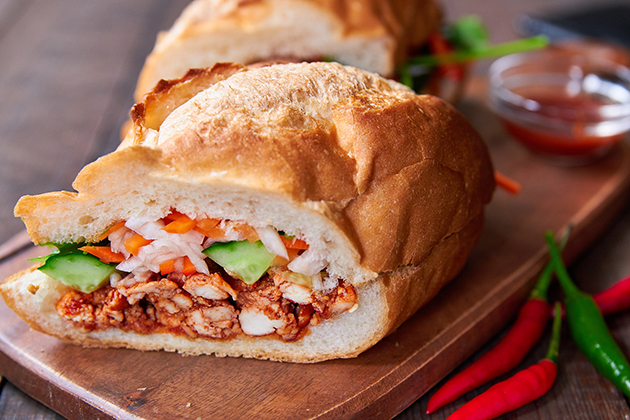
Banh Mi is one of the most recognisable Vietnamese foods internationally, and it remains an extremely practical choice for breakfast in Hanoi.
The story of banh mi is connected with the French colonial period, when bread became established in Vietnamese cuisine. Over time, Vietnamese cooks adapted the baguette to local tastes, creating the distinctive combination of crisp bread, savoury fillings, fresh herbs, vegetables, pâté, sauces and seasonings that travellers know today.
For many Vietnamese people, banh mi is the definition of a quick breakfast. It can be eaten while commuting, taken to school or work, or enjoyed at a small street-side shop. The variety is enormous. Depending on the shop, you may find combinations of pâté, pork, Vietnamese sausage, grilled meat, fried egg, cucumber, coriander, pickled vegetables and chilli sauce.
In Hanoi, you will also encounter variations influenced by international cuisines, including kebab-style banh mi. This reflects the way Vietnamese street food continues to evolve while remaining deeply rooted in local eating habits.
For travellers, banh mi is particularly convenient because it is easy to order, inexpensive and relatively familiar even if you are trying Vietnamese food for the first time.
Suggested Addresses
- Lan Ong bread at 6 Cha Ca, Hang Bo, Hoan Kiem, Hanoi.
- Phuc Bread at No. 9 Yet Kieu, Hanoi.
- Thai Thinh Bread at 35 – 37 Thai Thinh, Dong Da, Hanoi.

Contact us now to explore more of Vietnam’s culinary heritage with our Hanoi Breakfast Food Tour, crafted for food lovers seeking the true taste of Hanoi mornings!
Pho – The Classic Hanoi Breakfast
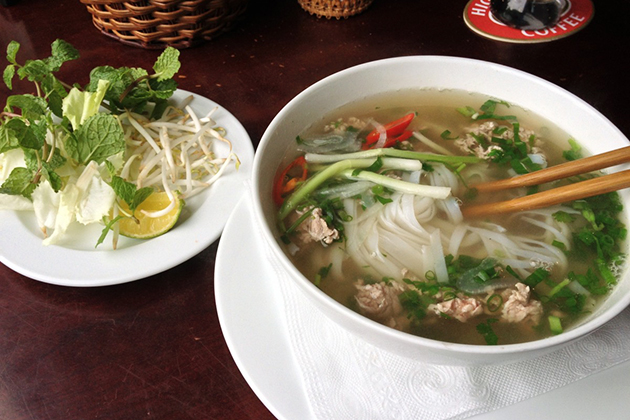
When people think about Vietnamese breakfast, pho is usually the first dish that comes to mind. It is one of the country’s most famous culinary exports and an essential part of the Hanoi food experience.
A bowl of pho may look simple: rice noodles, meat, herbs and broth. Yet the flavour of the broth is where much of its character lies. Beef bones, meat, spices and aromatics are slowly cooked to create a fragrant base. The exact combination and preparation method vary from one restaurant to another, which is why two bowls of pho can taste remarkably different even when they contain similar ingredients.
For breakfast in Hanoi, pho bo, or beef pho, is particularly popular. Pho ga, or chicken pho, is another classic choice. Depending on the restaurant, you may also encounter variations such as pho bo tai, pho ga, pho sot vang and other preparations.
A bowl of steaming pho in the early morning is particularly atmospheric. The heat of the broth is welcome on a cool Hanoi morning, while the fresh herbs, lime and chilli allow diners to adjust the flavour to their preference.
Suggested Addresses:
- Pho Bat Dan at 49 Bat Dan, Hoan Kiem, Hanoi
- Pho Thin at 13 Lo Duc, Hai Ba Trung, Hanoi
- Pho Ly Quoc Su: 10 Ly Quoc Su, Hoan Kiem District, Hanoi
- Pho Vui: 142 Xa Dan 2, Dong Da, Hanoi
- Pho Suong: 24 Trung Yen, Dinh Liet, Hoan Kiem, Hanoi
Want to explore more famous Pho restaurant in Hanoi recommended by locals and Michelin guide? Read more.
Xoi (Sticky Rice)
Xoi, or Vietnamese sticky rice, is another important part of traditional Vietnamese breakfast.
Compared with pho, xoi is less internationally famous, but it is deeply connected with everyday Vietnamese life. In Hanoi, you can find vendors selling hot sticky rice in small shops, market areas and along busy streets. It is particularly popular with people who want something inexpensive, filling and easy to take away.
The foundation is glutinous rice, which is steamed until soft and chewy. It can then be combined with sweet or savoury ingredients. Popular varieties include xoi lac with peanuts, xoi gac, xoi ngo with corn and xoi xeo made with mung beans and fried shallots. Savoury versions may also come with chicken, Vietnamese sausage, pâté, pork or eggs.
One of the most enjoyable things about eating xoi for breakfast is its texture. The sticky rice is warm, substantial and satisfying without requiring a long meal.
Xoi is also a useful introduction to the difference between Vietnamese breakfast culture and Western breakfast habits. Rather than separating “breakfast food” from other meals, Vietnamese cuisine often uses rice, noodles and savoury ingredients at different times of the day.
Suggested Addresses:
You can find the basket of Xoi in everywhere in the morning, but here are some places we highly recommend for you:
- Xoi Yen: 35B Nguyen Huu Huan, Hoan Kiem District, Hanoi
- Xoi Suon Cay: 628 Truong Chinh, Dong Da, Hanoi
- Xoi Loc: 68 Ta Quang Buu, Bach Mai, Hai Ba Trung, Hanoi
- Xoi Cat Lam: 24B Duong Thanh, Hoan Kiem, Hanoi
Banh Cuon
If you want to try something that feels particularly connected to Hanoi’s morning food culture, banh cuon should be high on your list.
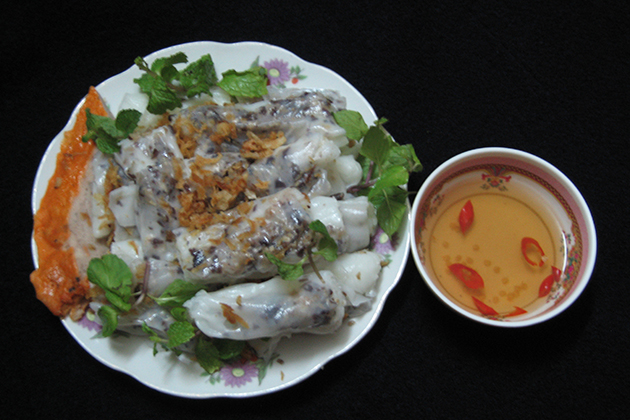
Banh cuon consists of extremely thin steamed rice sheets filled traditionally with seasoned minced pork and wood ear mushrooms. The sheets are delicate, soft and slightly chewy, while the filling adds savoury depth. The dish is usually served with a dipping sauce and often accompanied by cha que, Vietnamese pork sausage or other toppings.
The preparation itself is part of the experience. At traditional restaurants, the cook spreads a thin layer of rice batter over a steaming cloth stretched across a pot. Once the sheet is cooked, it is carefully lifted, filled and rolled.
This is one of the reasons banh cuon makes such a memorable Vietnamese breakfast for international visitors. You are not simply tasting a dish; you can often watch a traditional cooking technique taking place directly in front of you.
Michelin has continued to recognise banh cuon as an important part of Hanoi’s street-food culture. In the 2026 MICHELIN Guide, Banh Cuon Gia Truyen Thanh Van on Hang Ga Street became a new Bib Gourmand selection. The guide highlights its family-run tradition, handmade rice rolls and house dipping sauce, with pork, shrimp and chicken fillings available.
Suggested Addresses:
- Banh Cuon Ba Hanh: 26B Tho Xuong, Phu Doan, Hoan Kiem, Hanoi
- Banh Cuon Gia Truyen: 81 Le Van Huu, Hai Ba Trung, Hanoi
- Banh Cuon Thuy Khe: Alley 29 Thuy Khe, Tay Ho, Hanoi
Traditional Cakes of Vietnam
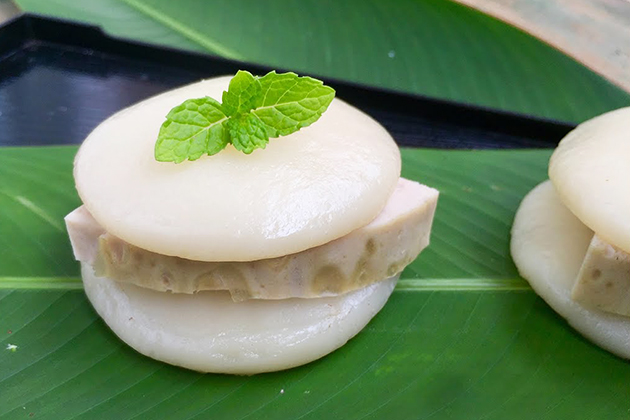
Vietnamese breakfast is not limited to noodles, rice and bread. There are also many traditional cakes made primarily from rice, glutinous rice, mung beans and other familiar Vietnamese ingredients.
Some examples include banh day, banh ran, banh nep, banh gio and banh khuc. Depending on the type, these cakes may be sweet, savoury or filled with ingredients such as mung bean, pork or mung-bean paste.
They are particularly convenient for people who need breakfast on the go. In traditional neighbourhoods, travellers may still encounter vendors carrying baskets of freshly prepared cakes and calling out to customers in the early morning.
For visitors staying in Hanoi hotels, these foods can be an enjoyable way to move beyond the city’s most internationally famous dishes. They may not always appear on English-language restaurant menus, which is exactly what makes finding them such a rewarding part of exploring local food culture.
Ready to taste the soul of Hanoi in every bite? From iconic pho and crispy banh mi to sticky rice wrapped in warmth, Hanoi’s morning cuisine is a must-try for every traveler. Take your journey further with our immersive Hanoi tour, where local experts guide you through the city’s most authentic and flavorful morning spots.
Other Hanoi Breakfast Food Worth Trying
Although pho, banh mi, xoi and banh cuon are excellent starting points, Hanoi breakfast food extends far beyond these four dishes.
Bun rieu, a noodle soup with a distinctive tomato-based broth and crab flavour, is another traditional Vietnamese dish that can be enjoyed in the morning. Its combination of rice vermicelli, broth, herbs and toppings offers a very different experience from pho.
Bun thang is another Hanoi specialty worth knowing about. It is a more delicate noodle soup traditionally associated with Hanoi and is known for its clear broth and carefully prepared ingredients. It is especially interesting for travellers who want to understand the more refined side of northern Vietnamese cuisine.
You may also come across mien luon, a dish featuring glass noodles and eel, as well as other regional noodle soups. These foods demonstrate an important feature of Hanoi’s breakfast culture: locals have many choices, and the “best” breakfast depends on personal taste.
The current MICHELIN Guide’s Hanoi listings include a broad range of Vietnamese and noodle specialists, showing just how diverse the city’s food scene has become.
A Simple Hanoi Breakfast Food Route
If you only have one morning to explore Vietnamese breakfast, you do not need to try everything.
Start early with a bowl of pho. This gives you a chance to experience one of Hanoi’s most iconic dishes while the city is still waking up.
After breakfast, take a slow walk through the Old Quarter. Rather than immediately searching for another full meal, look for a small portion of xoi or a traditional cake as a snack.
Later in the morning, try banh cuon. Watching the rice sheets being steamed and rolled adds an element of culinary theatre that makes the experience especially memorable.
If you still have room, finish with Vietnamese coffee. Although coffee is not itself a breakfast dish, it is an integral part of Hanoi’s morning rhythm. A cup of strong Vietnamese coffee, or the city’s famous egg coffee, can be the perfect conclusion to a morning of food exploration.
This approach also allows you to experience several textures and cooking methods rather than eating three large meals in a row.
Frequently Asked Questions About Vietnamese Breakfast
What is the most popular Vietnamese breakfast?
Pho is one of the most internationally famous Vietnamese breakfast dishes, particularly in Hanoi. However, Vietnamese breakfast varies widely, and locals also commonly eat banh mi, xoi, banh cuon and other noodle or rice-based dishes.
What do Hanoians eat for breakfast?
Hanoians eat a variety of savoury dishes for breakfast. Popular choices include pho, banh cuon, xoi and banh mi, while bun rieu, bun thang and other regional noodle dishes are also available.
Is pho eaten for breakfast in Hanoi?
Yes. Pho is a very common breakfast choice in Hanoi, particularly at traditional specialist restaurants. However, it is not accurate to assume that every Vietnamese person eats pho every morning. Hanoi has a much broader breakfast culture.
What is the best breakfast in Hanoi for first-time visitors?
For a first visit, pho is an obvious starting point because it is one of the city’s signature dishes. Banh cuon is another excellent choice if you want something more closely connected with Hanoi’s traditional morning food culture. Banh mi and xoi are ideal if you prefer something quick and easy to eat.
What time should I eat breakfast in Hanoi?
For the most authentic experience, aim for approximately 6:30–8:30 am. Many local breakfast shops start early, and some dishes are particularly associated with the early morning. Opening times vary, so check before travelling to a specific restaurant.
Is Vietnamese breakfast spicy?
Not necessarily. Many Vietnamese breakfast dishes are not inherently spicy. Chilli is often served separately so diners can adjust the level of heat according to their preference. Pho, banh cuon and xoi can generally be enjoyed without chilli.
Is Vietnamese breakfast suitable for vegetarians?
There are vegetarian breakfast options in Hanoi, although traditional dishes often contain meat or fish sauce. Vegetarian restaurants and specialist eateries are increasingly available, and it is important to explain your dietary requirements clearly when ordering.
Can I find Vietnamese breakfast near Hanoi’s Old Quarter?
Yes. The Old Quarter and surrounding central districts are among the easiest areas for visitors to explore Hanoi breakfast food. Pho, banh mi, xoi and banh cuon are all widely represented, although individual restaurants and opening hours can change.
Looking for more travel ideas? Visit our official homepage Hanoi Local Tour for unique itineraries, cultural insights, and unforgettable experiences across Vietnam!