
Hanoi Travel Blog - Hanoi Introduction & Information
Mu Cang Chai Vietnam Travel Guide 2026 – Best Time To Visit & Things To Do in Most Beautiful Rice Terraces
03
Jun
Jun
Nestled deep within the misty mountains of northwestern Vietnam, Mu Cang Chai Vietnam is a destination where nature, culture, and tradition come together in extraordinary harmony. Renowned for its magnificent terraced rice fields that cascade across steep mountain slopes, this remote district in Yen Bai Province is widely regarded as one of the most breathtaking landscapes in Southeast Asia.
Unlike Vietnam’s bustling cities and popular coastal destinations, Mu Cang Chai offers a journey into a quieter and more authentic side of the country. Here, endless layers of rice terraces stretch across valleys and mountains, while traditional Hmong villages preserve centuries-old customs and ways of life. The scenery changes dramatically throughout the year, from mirror-like terraces during the planting season to vibrant green fields and the iconic golden landscapes of harvest time.
As one of the most rewarding destinations in northern Vietnam, Mu Cang Chai is often combined with other regional highlights. Travelers looking to discover more of the country’s rich heritage can explore our Hanoi tours for curated experiences that perfectly complement a mountain adventure.
Why Is Mu Cang Chai Vietnam Famous?
Mu Cang Chai Vietnam is internationally recognized for its extraordinary terraced rice fields, often considered among the most beautiful agricultural landscapes in the world.
Over generations, local Hmong communities transformed steep mountain slopes into intricate terraces capable of cultivating rice at high elevations. These terraces are not only essential for local agriculture but have also become cultural and environmental masterpieces that attract visitors from around the globe.
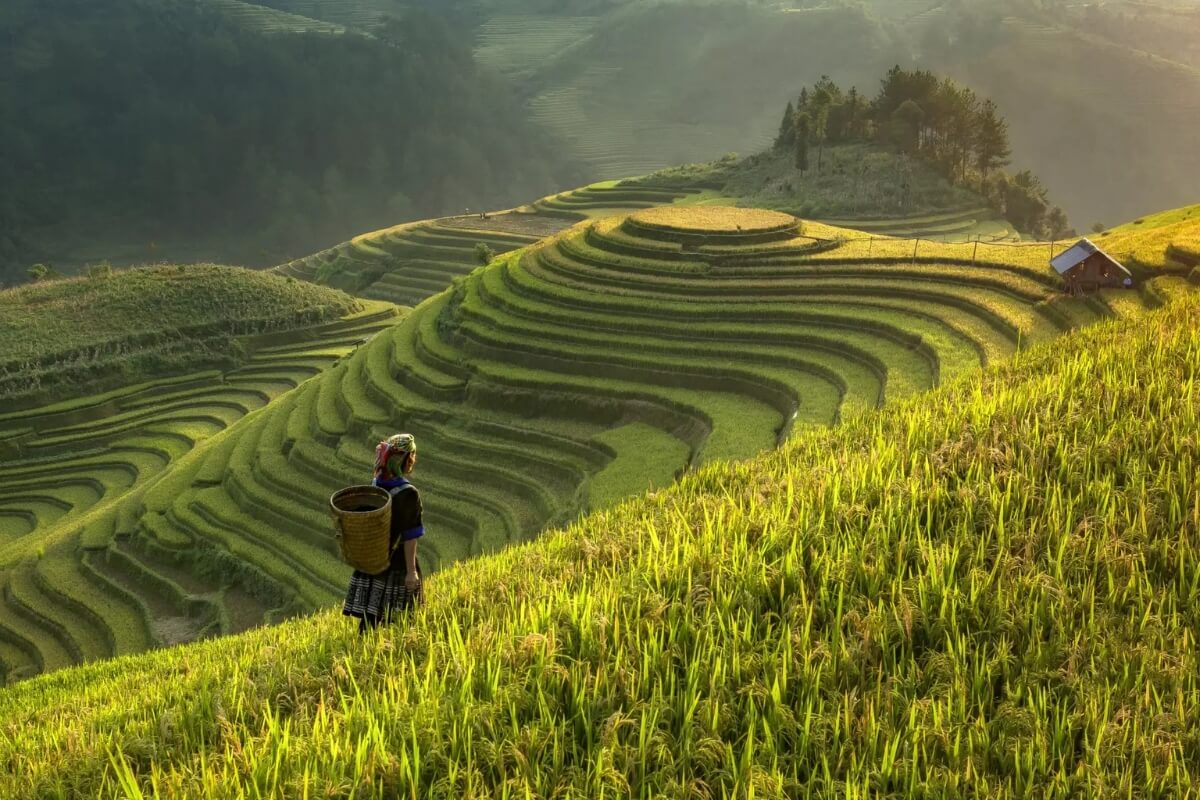
The district’s most famous terraces are so remarkable that parts of the area have been designated as a National Heritage Site by the Vietnamese government.
Unlike many modern tourist destinations, Mu Cang Chai remains largely authentic. Traditional wooden houses, local markets, and agricultural lifestyles continue to shape everyday life, offering visitors a rare glimpse into Vietnam’s cultural heritage.
Where Is Mu Cang Chai Vietnam?
Mu Cang Chai is situated in Yen Bai Province, approximately 300 kilometers northwest of Hanoi. The district lies along National Highway 32 and is surrounded by towering mountains, deep valleys, and picturesque villages.
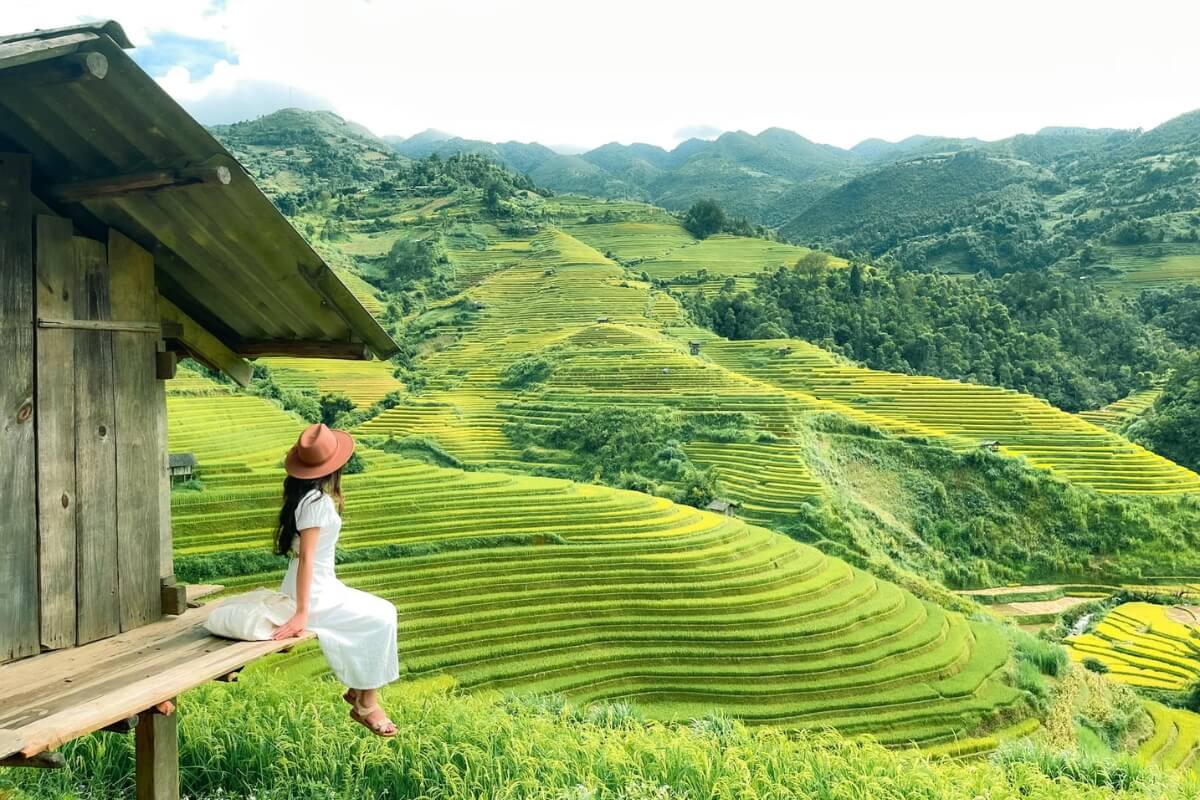
Its location places it within Vietnam’s spectacular northern highlands, a region famous for ethnic diversity and stunning natural scenery. The journey from Hanoi typically takes between six and eight hours, depending on transportation and road conditions.
Although the trip requires some effort, many travelers consider the scenic mountain roads part of the overall experience.
The History Behind Mu Cang Chai Rice Terraces
The famous terraces of Mu Cang Chai Vietnam are the result of centuries of ingenuity and hard work by the Hmong people.
Facing steep mountain terrain unsuitable for traditional farming, local communities gradually developed terrace systems that allowed them to cultivate rice while conserving water and soil. These terraces were carefully constructed by hand using simple tools and local knowledge passed down through generations.
Today, the terraces represent not only agricultural achievement but also cultural identity. They reflect the harmonious relationship between humans and nature that continues to define life in the mountains of northern Vietnam.
Visitors often find themselves amazed by the scale of the landscape, especially when considering that these terraces were created without modern machinery.
You can visit our North Vietnam Tours to explore more: https://www.hanoilocaltour.com/products/north-vietnam-tours/
Best Time To Visit Mu Cang Chai Vietnam
Timing your visit can significantly influence your experience in Mu Cang Chai Vietnam.
Water Pouring Season (May To June)
The water-pouring season marks the beginning of the rice-growing cycle. During this period, farmers flood the terraces in preparation for planting.
The reflective water creates stunning mirror-like landscapes that attract photographers from around the world. Early morning and late afternoon provide particularly magical lighting conditions.
Green Season (July To August)
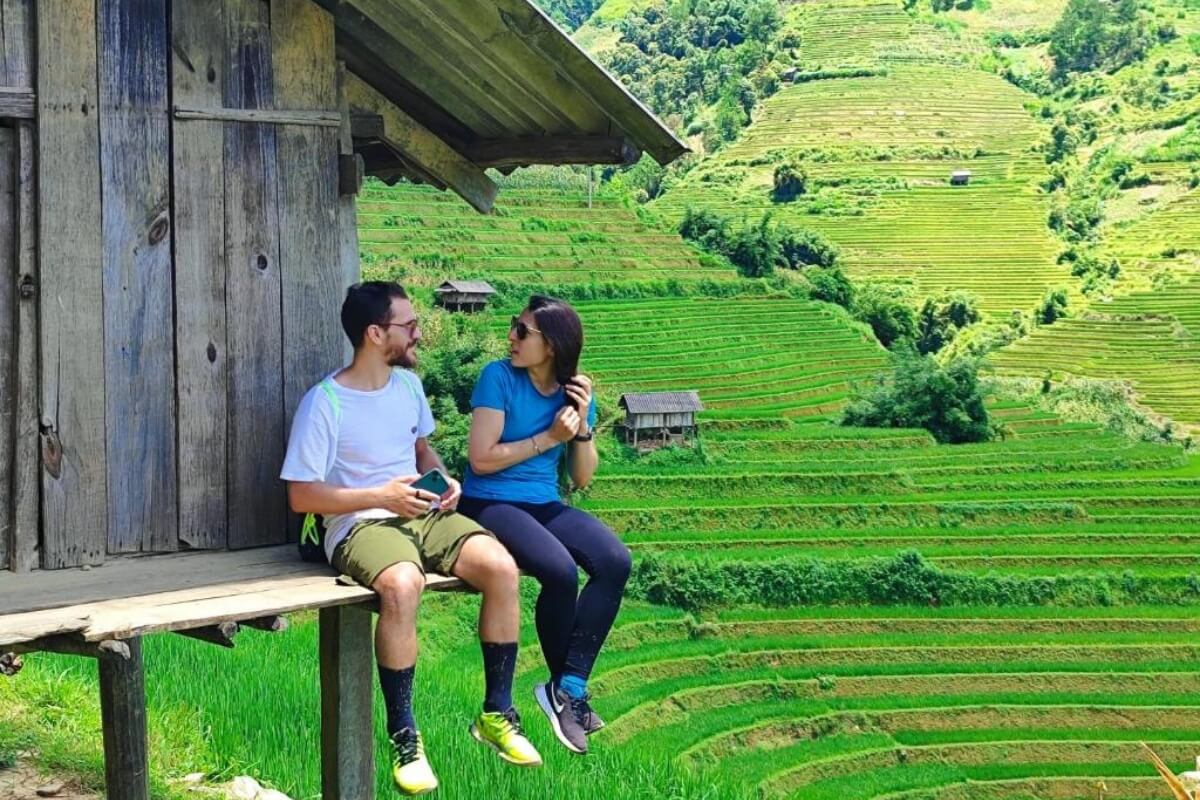
As rice plants mature, the terraces transform into vibrant layers of emerald green.
This period offers excellent opportunities for trekking and cultural exploration. The weather remains relatively warm, and the mountains appear lush and alive.
Golden Harvest Season (September To Early October)
The harvest season is widely considered the most beautiful time to visit Mu Cang Chai Vietnam.
The rice terraces turn brilliant shades of gold, creating breathtaking patterns across the mountainsides. This is also the peak photography season and attracts both domestic and international visitors.
Booking accommodation well in advance is highly recommended during this period.
Winter Season (November To February)
Winter brings cooler temperatures and fewer tourists.
While the terraces are no longer filled with rice, visitors can enjoy peaceful landscapes, mist-covered mountains, and authentic local experiences without crowds.
Top 10+ Things To Do In Mu Cang Chai Vietnam
Admire The Spectacular Rice Terraces
The rice terraces are undoubtedly the main reason travelers visit Mu Cang Chai Vietnam. Spread across steep mountainsides and valleys, these terraces have been carefully cultivated by Hmong communities for centuries. Walking among the terraces allows visitors to appreciate the incredible engineering skills and agricultural heritage that transformed rugged mountains into one of the world’s most beautiful landscapes.
Each season offers a completely different perspective, from shimmering water-filled fields in early summer to vibrant green terraces and golden harvest scenes later in the year.
Trek Through Traditional Hmong Villages
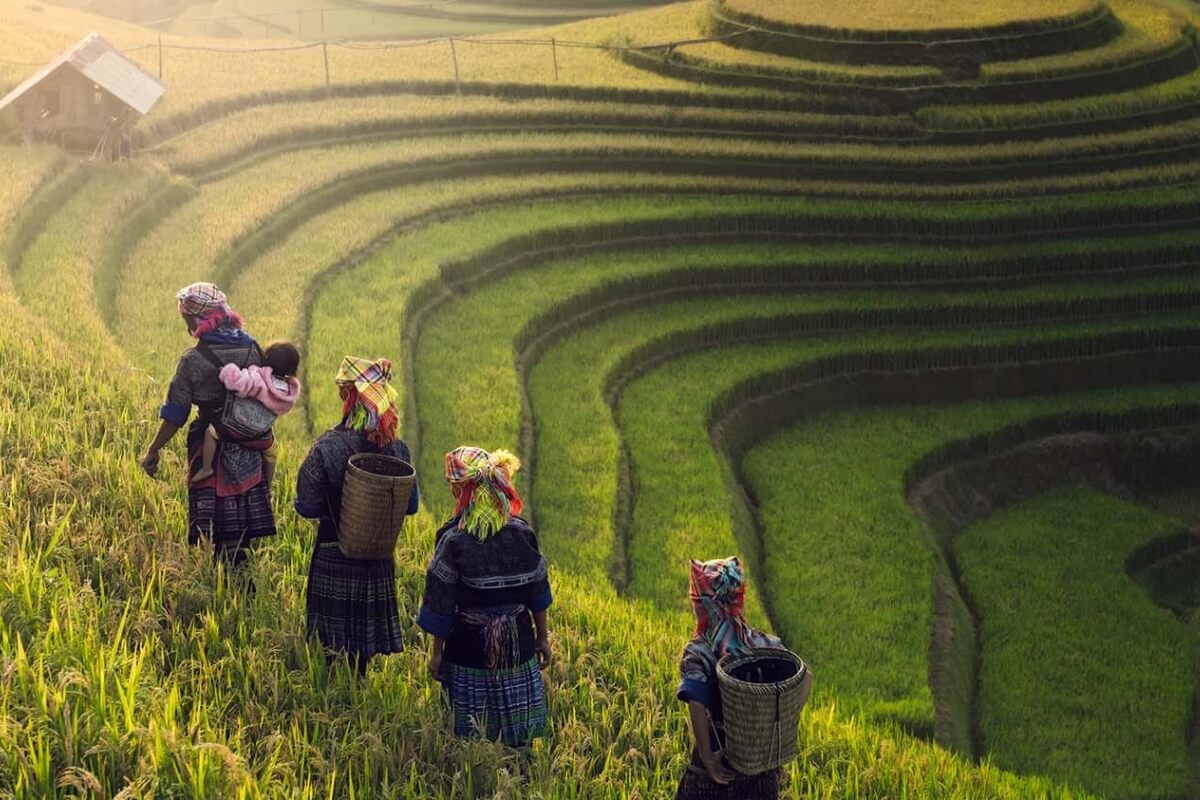
Trekking is one of the most rewarding activities in Mu Cang Chai Vietnam. Numerous trails connect remote villages, rice terraces, forests, and mountain valleys, allowing visitors to experience daily life in the highlands.
Walking through villages such as Che Cu Nha and La Pan Tan provides opportunities to meet local families, observe traditional farming practices, and gain a deeper understanding of Hmong culture. Many routes can be customized for different fitness levels, making trekking accessible to a wide range of travelers.
Drive Across The Magnificent Khau Pha Pass
Khau Pha Pass is considered one of the most beautiful mountain roads in Vietnam and offers an unforgettable driving experience. The winding route cuts through dramatic mountain landscapes, revealing stunning views of valleys, forests, and terraced fields.
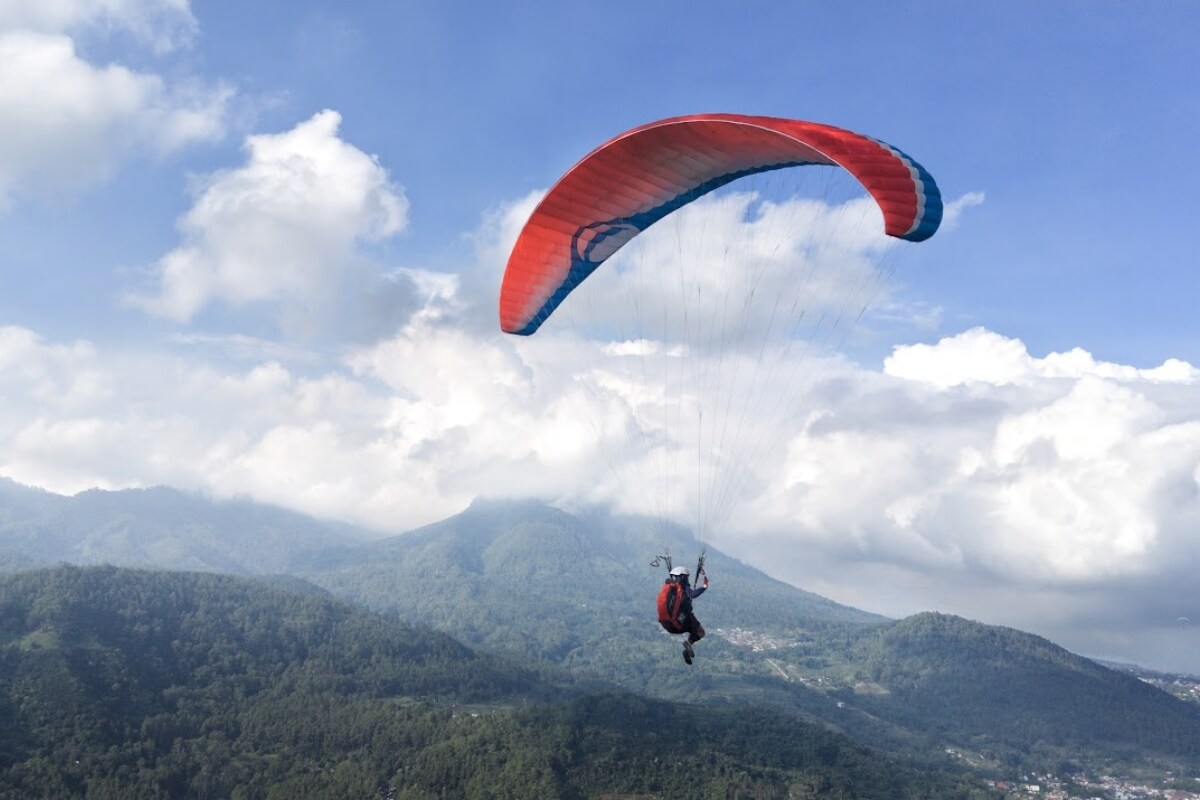
Whether traveling by private car or motorbike, the journey along Khau Pha Pass is often regarded as one of the highlights of visiting Mu Cang Chai. Frequent viewpoints along the route allow travelers to stop and capture incredible photographs.
Stay Overnight In A Traditional Homestay
One of the best ways to experience local culture is by staying in a traditional homestay. Many Hmong families welcome guests into their homes, offering comfortable accommodation, home-cooked meals, and opportunities for cultural exchange.
A homestay experience allows travelers to learn about local customs, traditional architecture, farming practices, and daily routines while supporting community-based tourism initiatives.
Photograph The Golden Harvest Season
Mu Cang Chai is widely recognized as one of Vietnam’s top photography destinations. During September and early October, the rice terraces transform into spectacular shades of gold, creating extraordinary patterns across the mountains.
Professional photographers and travel enthusiasts visit from around the world to capture this seasonal phenomenon. Early mornings often bring mist-covered valleys that add even more drama to the scenery.
Discover Local Markets And Ethnic Traditions
Local markets play an important role in the social and economic life of the region. Visiting a market offers a fascinating opportunity to observe traditional clothing, handicrafts, agricultural products, and daily interactions among different ethnic communities.
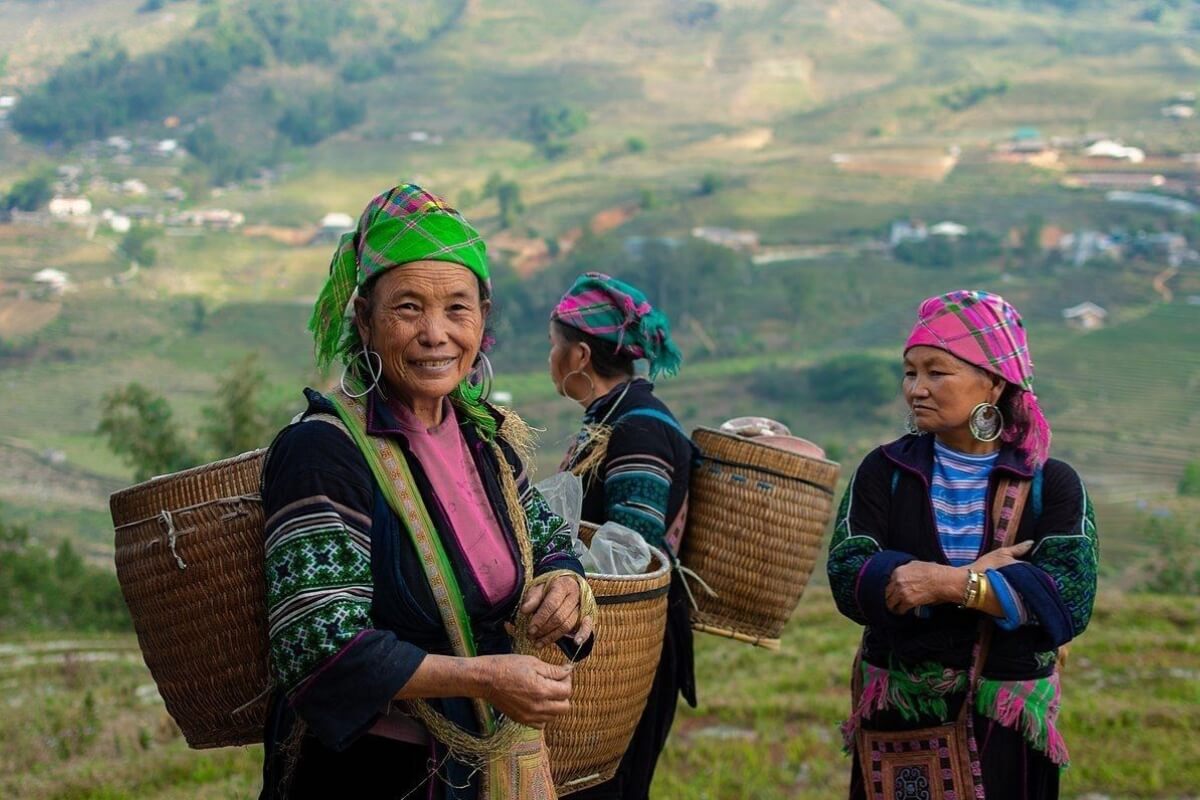
Travelers can purchase handmade souvenirs, sample local foods, and gain valuable insights into the cultural diversity that makes northwest Vietnam so unique.
Taste Authentic Highland Cuisine
Exploring local cuisine is an essential part of any visit to Mu Cang Chai Vietnam. Traditional dishes such as five-color sticky rice, bamboo-cooked rice, smoked buffalo meat, grilled stream fish, and herbal black chicken reflect the rich culinary heritage of the region.
Many homestays and local restaurants prepare meals using fresh ingredients sourced directly from nearby farms and forests, offering visitors an authentic taste of mountain life.
Relax In The Natural Hot Springs Of Tu Le
Located on the route between Hanoi and Mu Cang Chai, Tu Le is famous for its natural hot springs. After a day of hiking or exploring the mountains, soaking in warm mineral-rich waters provides the perfect opportunity to relax and recharge.
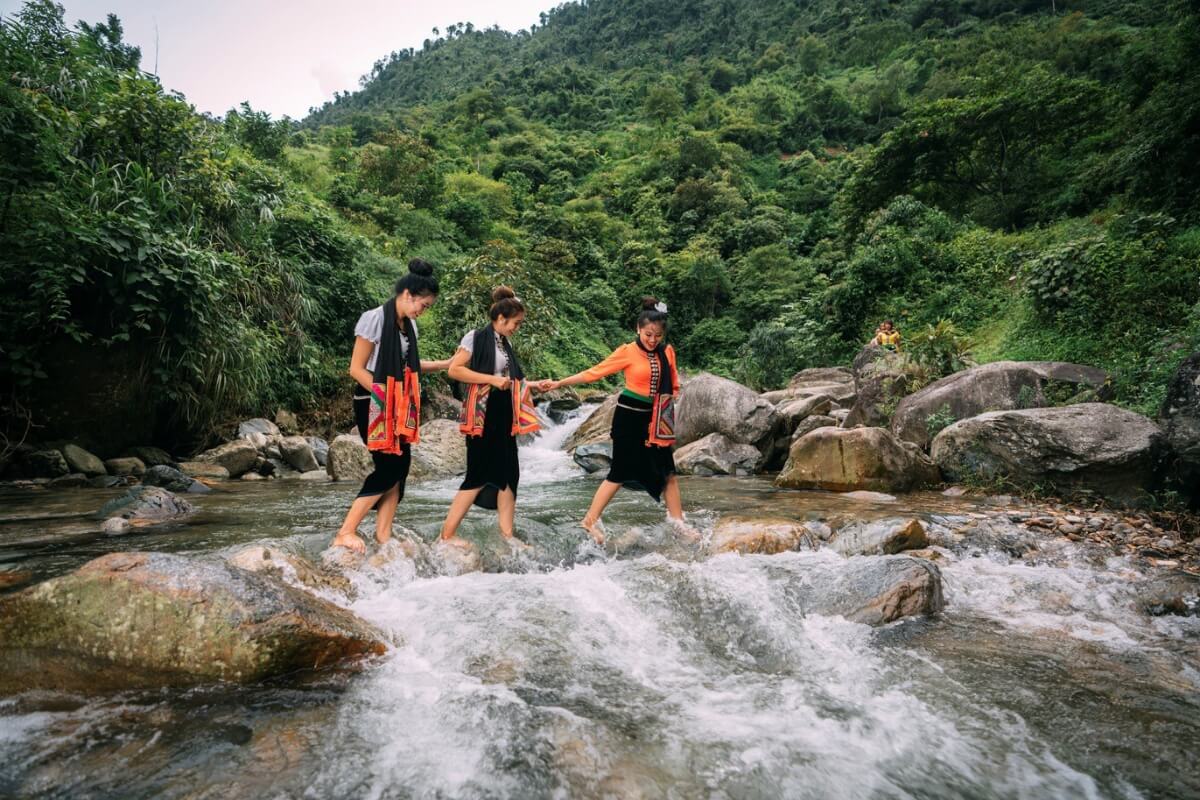
The surrounding valley scenery creates a peaceful atmosphere, making Tu Le a popular stop for travelers heading to or from Mu Cang Chai.
Experience The Water-Pouring Season
While the golden harvest season attracts the most attention, the water-pouring season from May to June is equally fascinating. During this period, farmers flood the terraces in preparation for planting rice.
The reflective surfaces create mirror-like landscapes that beautifully capture the sky, clouds, and surrounding mountains. Many photographers consider this one of the most visually striking times to visit Mu Cang Chai Vietnam.
Enjoy A Scenic Motorbike Adventure
For adventurous travelers, exploring Mu Cang Chai by motorbike offers freedom and flexibility. The region’s mountain roads pass through dramatic landscapes, remote villages, and breathtaking viewpoints that are often inaccessible by larger vehicles.
Riding through the valleys and mountain passes allows visitors to fully appreciate the scale and beauty of northern Vietnam’s highlands while creating unforgettable travel memories.
Travel Tips For Visiting Mu Cang Chai Vietnam
Road conditions can vary depending on weather and season, so travelers should allow flexibility in their schedules. Comfortable walking shoes are essential for exploring terraces and villages.
Photography enthusiasts should plan early morning excursions to maximize lighting conditions. Respecting local customs and seeking permission before photographing people helps create positive interactions with communities.
Cash is advisable, as card payment facilities remain limited in some remote areas.
FAQs About Mu Cang Chai Vietnam
Is Mu Cang Chai Vietnam worth visiting?
Absolutely. Mu Cang Chai is widely regarded as one of Vietnam’s most beautiful destinations thanks to its iconic rice terraces, ethnic culture, and spectacular mountain scenery.
How To Get To Mu Cang Chai Vietnam
Most international travelers begin their journey in Hanoi.
Private car transfers offer the most comfortable option, especially for travelers seeking convenience and flexibility. Limousine buses provide a balance between comfort and affordability, while motorbike journeys appeal to adventure seekers.
The route passes through beautiful mountain scenery, making the journey itself a memorable part of the trip.
Many travelers combine Mu Cang Chai with destinations such as Sapa, Nghia Lo, Tu Le, and Ha Giang for a broader northern Vietnam itinerary.
How many days should I spend in Mu Cang Chai?
A minimum of two to three days is recommended to explore the main attractions, enjoy trekking activities, and experience local culture.
What is the best month to visit Mu Cang Chai Vietnam?
September is generally considered the best month because the rice terraces reach their golden harvest stage, creating the region’s most famous landscapes.
Is Mu Cang Chai suitable for families?
Yes. Families can enjoy scenic drives, cultural experiences, easy village walks, and comfortable accommodation options suitable for different age groups.
Is Mu Cang Chai better than Sapa?
Both destinations are beautiful, but Mu Cang Chai offers a more authentic and less crowded experience, while Sapa provides more developed tourism infrastructure and services.