
Hanoi Tourist Attractions - Best Places to Visit in Hanoi
Nam Cang Village Sapa – Complete Travel Guide & Best Trekking Tips Updated 2026-2027
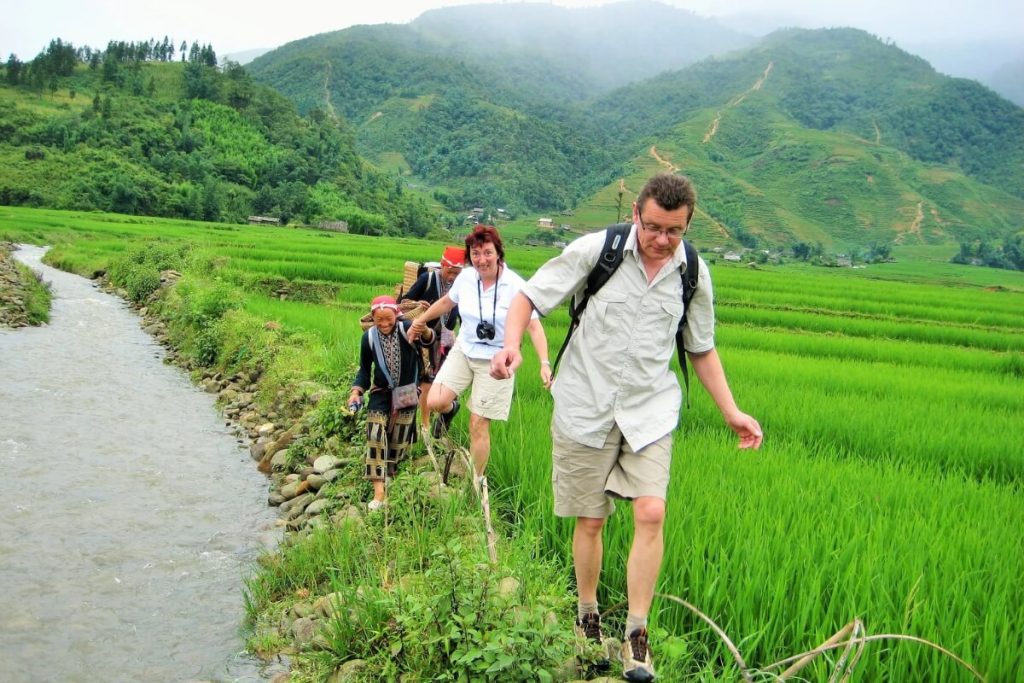
14
Aug
Aug
Nam Cang Village Sapa – An Authentic Escape into Northern Vietnam
Located deep in the mountains of Sapa, Nam Cang is known for its peaceful valley, terraced rice fields, forested mountains, streams and the traditional lifestyle of the Red Dao community. Unlike central Sapa, where tourism has become an important part of everyday life, this remote village offers a slower rhythm and a more intimate connection with the landscape.
The village is located roughly 30–36 km from central Sapa, depending on the route and point of reference. Vietnam’s national tourism authorities describe Nậm Cang as one of the lesser-known areas of Sapa, surrounded by mountains, rice terraces and small villages.
If your idea of a memorable Sapa trip is an authentic cultural encounter rather than a busy sightseeing itinerary, Nam Cang Village Sapa deserves a place on your travel plans. For travelers continuing their journey through northern Vietnam, our Hanoi tours offer a carefully curated way to discover the capital through authentic local experiences.
What Is Nam Cang Village?
Nam Cang is a mountain village in the Sapa area of Lao Cai, in northern Vietnam. It sits at the far end of a valley surrounded by mountains, forests and agricultural land. Its relatively remote location is one of the reasons the village has retained a peaceful atmosphere compared with some of Sapa’s more accessible destinations.
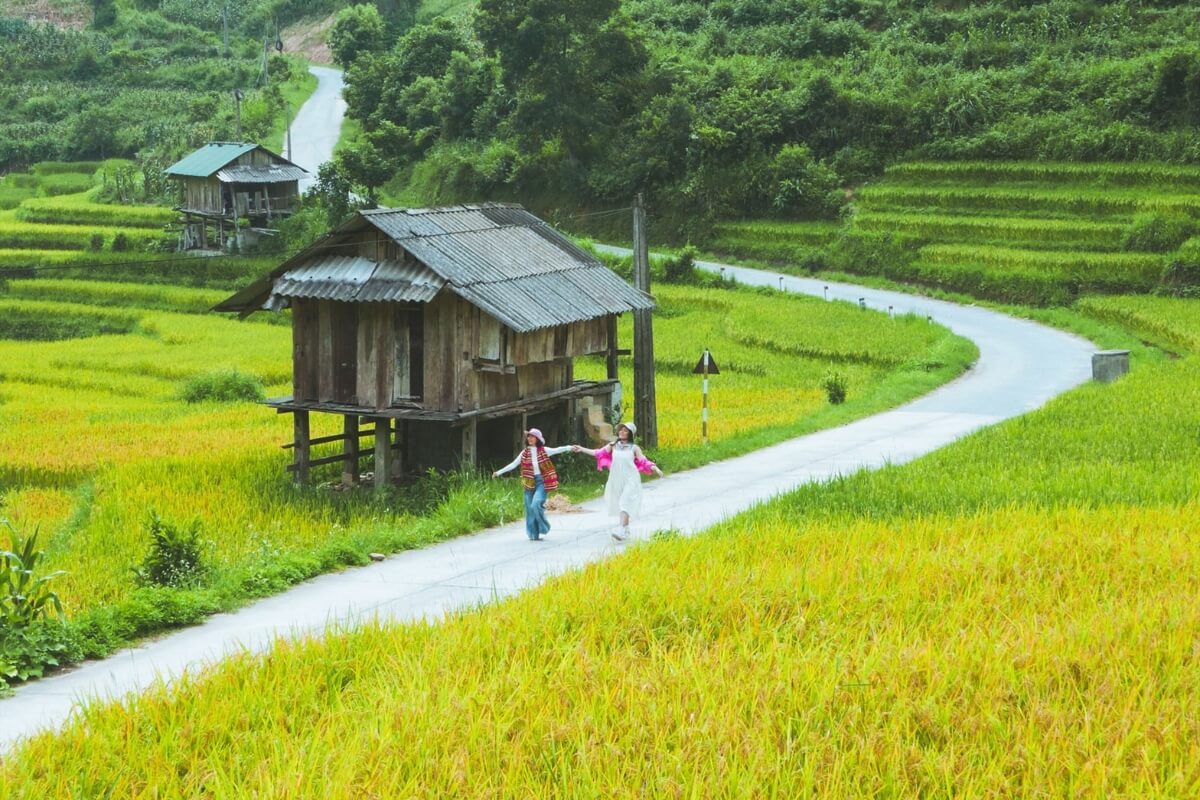
The area is particularly associated with the Red Dao people, one of the ethnic communities that have traditionally lived in the Sapa region. According to the Sapa Tourism Office, Red Dao communities are concentrated in several parts of Sapa, including Nam Cang, Ta Phin, Thanh Kim, Suoi Thau and Trung Chai.
The Red Dao have a distinctive cultural identity expressed through traditional clothing, embroidery, farming practices, herbal knowledge, architecture and community traditions. Their relationship with the surrounding landscape is also an important part of village life. In Nam Cang, agriculture, forests and streams are not simply scenery for visitors; they remain closely connected to the local way of living.
This is what makes Nam Cang Sapa different from a conventional tourist attraction. There is no need for a major monument or elaborate attraction. The village itself, together with the people and landscape, is the experience.
Why Visit Nam Cang Sapa?
Sapa is famous internationally for its dramatic mountain scenery and terraced rice fields. The official Vietnam Tourism website describes Sapa as a destination where deep valleys, rice terraces, rivers and mountains create some of northern Vietnam’s most spectacular landscapes.
However, many travelers discover that the most memorable moments come after leaving the town itself.
Nam Cang Village offers precisely this kind of experience. The journey takes you farther into the countryside, where the landscape becomes quieter and the pace of life changes naturally.
One of the greatest attractions is the opportunity to experience Sapa’s rural environment without the feeling of being surrounded by large groups of tourists. You may walk past farmers working in the fields, see traditional houses among the terraces or hear a mountain stream flowing below the village.
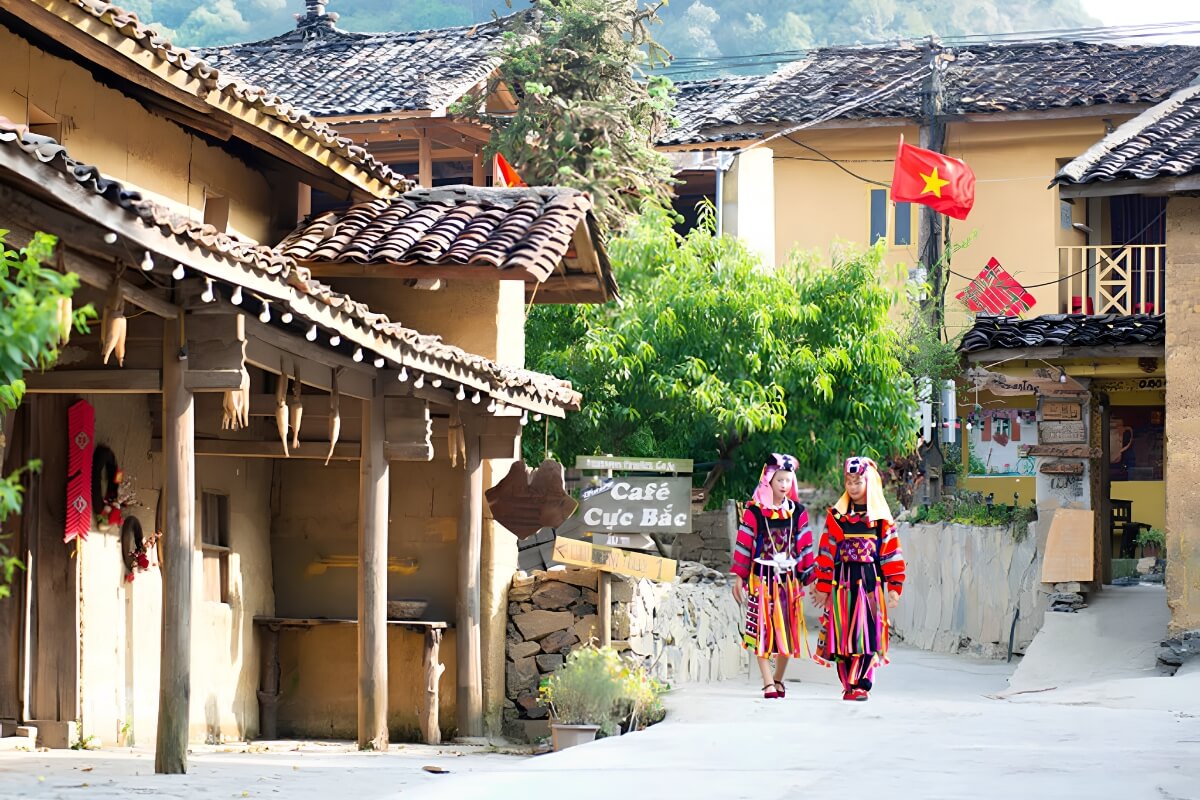
The Landscape Around Nam Cang Village
The scenery is perhaps the first thing you notice when arriving in Nam Cang.
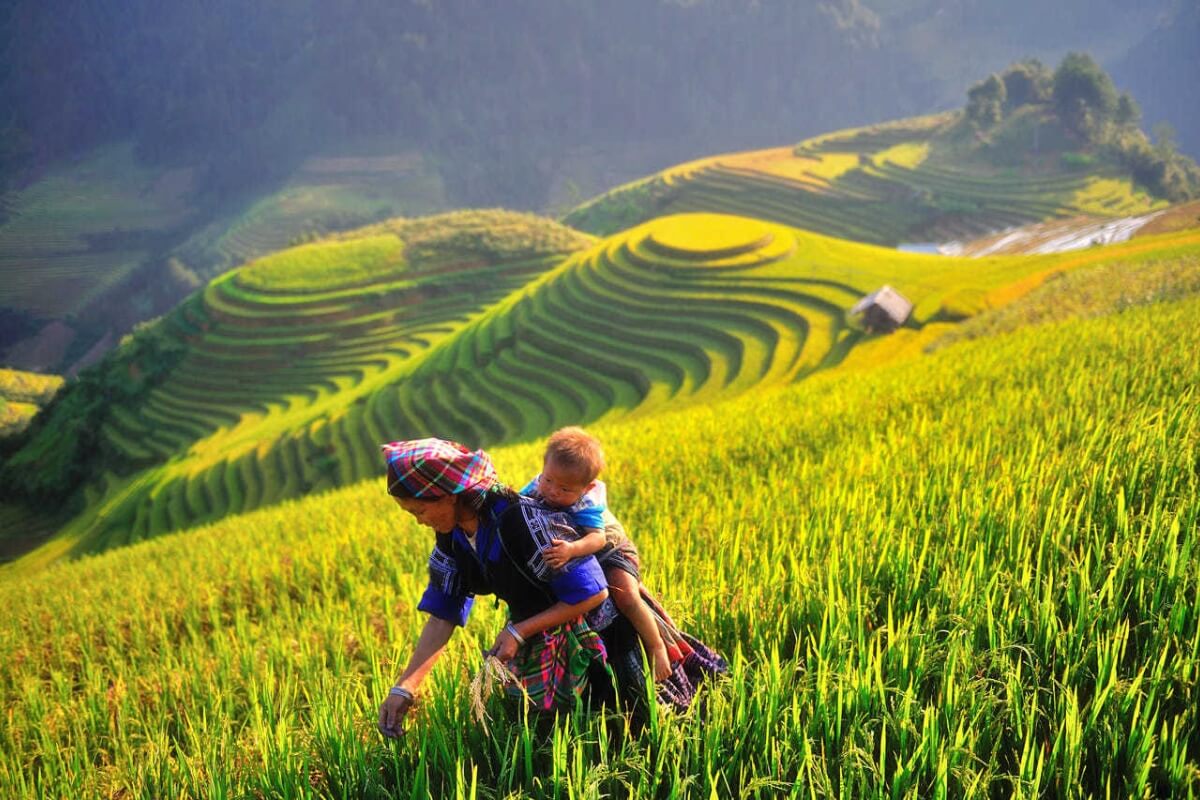
The village lies within a mountain valley where terraced fields follow the natural contours of the hills. Depending on the season, these terraces can appear as reflective pools, bright green fields or golden slopes ready for harvest.
The landscape is especially beautiful because it feels integrated rather than staged. Small houses, agricultural fields, streams and forested mountains form one continuous rural environment.
Vietnam’s tourism authorities specifically identify Nam Cang as an area with impressive terraced rice fields and relatively pristine mountain scenery.
During the rice-growing season, the terraces change dramatically. Water-filled paddies can mirror the sky and surrounding mountains. As rice plants mature, the landscape becomes increasingly green before gradually turning golden toward harvest.
The harvest period is particularly attractive for photographers. Official tourism information highlights Nam Cang among the Sapa destinations where visitors can experience the golden rice season.
But the scenery is not limited to rice fields. Forested hills, rocky mountain slopes, narrow streams and traditional village paths give the area a more varied character than a simple rice-field viewpoint.
Experience the Red Dao Culture in Nam Cang
One of the strongest reasons to visit Nam Cang Village is the opportunity to understand Red Dao culture in a natural setting.
The Red Dao are one of the important ethnic communities of Sapa, with their own traditions, clothing, agricultural practices and knowledge of local plants. Their distinctive red headwear and richly embroidered clothing are among the most recognizable cultural features of the region.
However, responsible cultural travel should go beyond photographs.
A better experience is to spend time listening to local stories, learning about everyday life and understanding how traditional knowledge continues to influence the community.
One particularly well-known Red Dao tradition is the use of medicinal plants for herbal bathing. Vietnam Tourism has documented the preparation of traditional Red Dao herbal baths, including the collection and preparation of forest plants by local women from Nam Cang.
For visitors, this can become a fascinating cultural experience because it connects traditional knowledge with the natural environment around the village.
Rather than treating the community as an attraction, travelers should approach these experiences with curiosity and respect. Ask before taking photographs, follow local guidance and remember that homes, farms and religious or cultural spaces are part of people’s everyday lives.
This respectful approach is especially important when visiting ethnic minority communities throughout Sapa.
Top Things to Do in Nam Cang Village
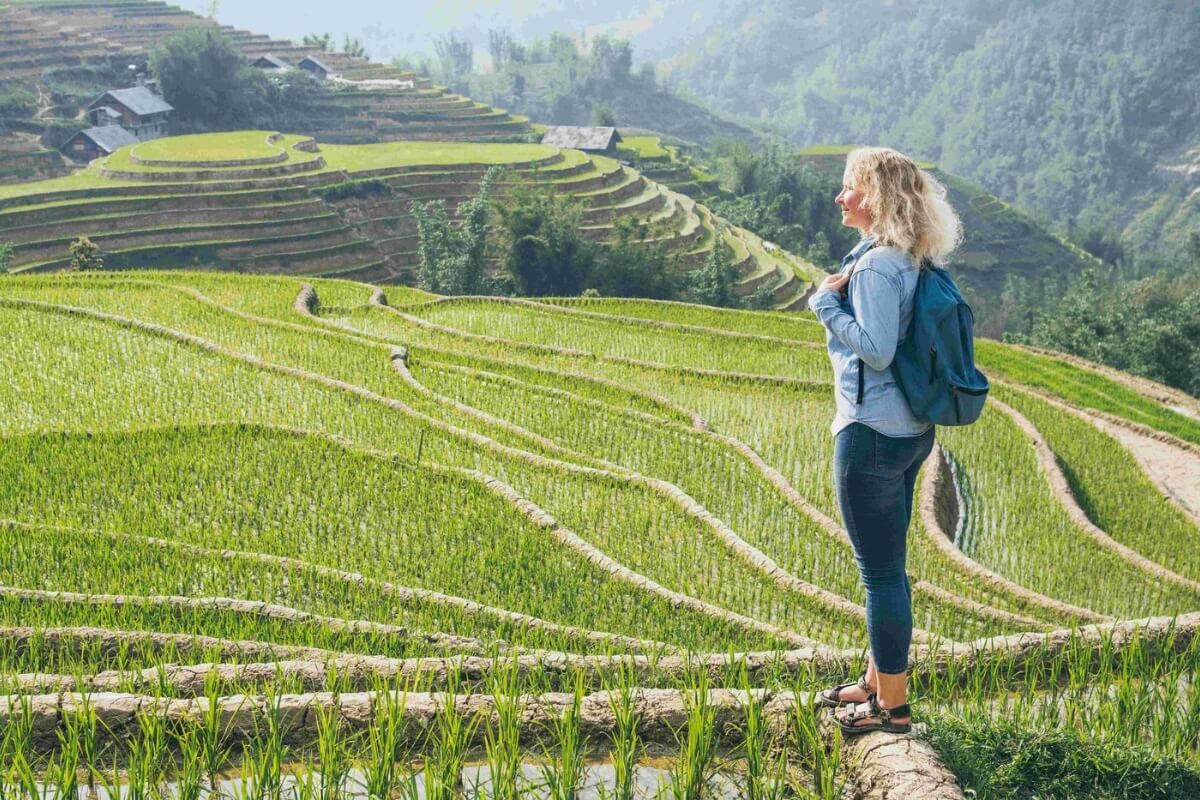
Trekking Through Rice Terraces
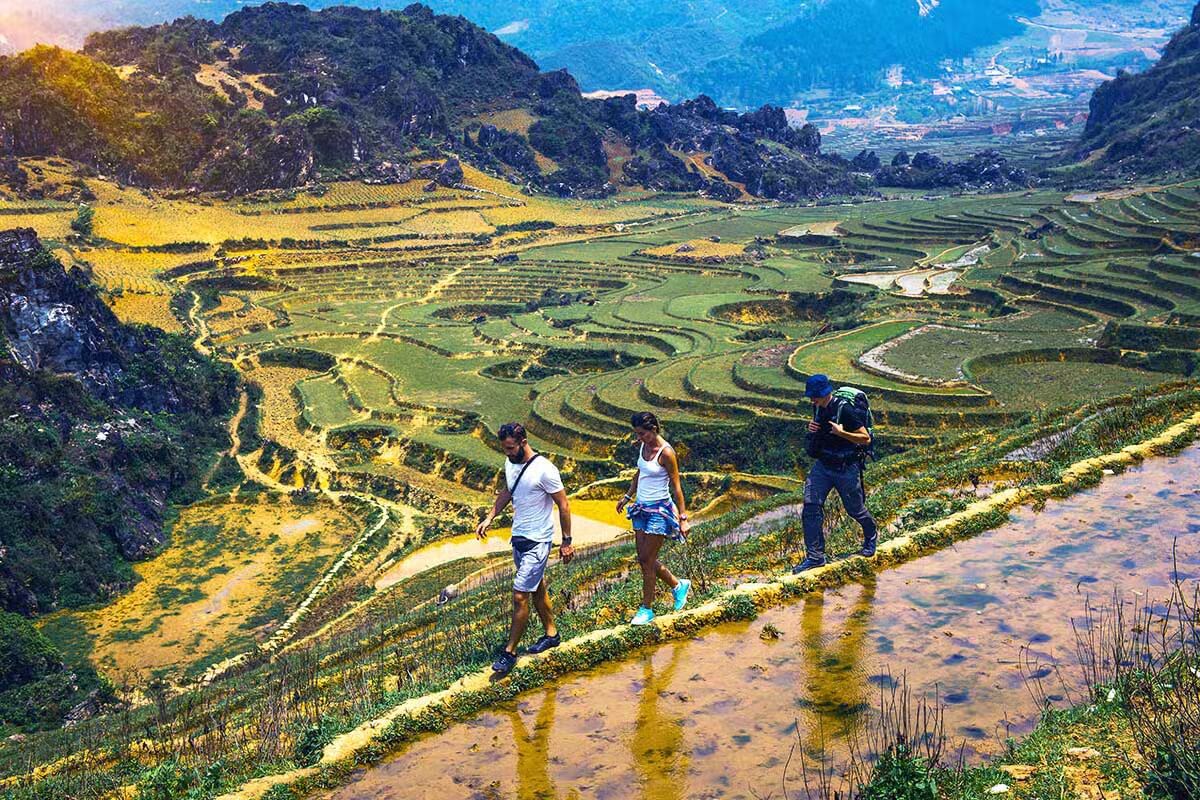
Trekking is one of the best ways to experience Nam Cang Sapa.
Instead of simply stopping at a viewpoint, walking allows you to understand how the landscape fits together. Trails can pass between rice terraces, small streams, forests and houses, creating a constantly changing panorama.
The level of difficulty depends on the route and weather. Some walks are relatively gentle, while longer mountain routes can involve uneven paths, steep sections and slippery surfaces after rain.
For travelers who are not experienced hikers, a local guide is highly recommended. The Sapa Tourism Office notes that mountain trails around Sapa may not always have clear signage and that weather can change quickly, with rain and fog affecting conditions.
A knowledgeable local guide can also transform a simple walk into a cultural experience by explaining agricultural practices, plants, houses, traditions and village life along the way.
Walk Among the Rice Terraces
You do not need to complete a demanding trek to appreciate the countryside.
A slower walk around the village can be just as rewarding, particularly for travelers who prefer photography, nature and cultural observation to strenuous hiking.
The terraces are particularly photogenic in the early morning and late afternoon when the light becomes softer. During the green season, the fields create layers of vivid vegetation across the mountains. During harvest, the same landscape becomes warmer and more dramatic.
The exact appearance of the rice fields depends on the agricultural cycle and weather, so travelers should avoid expecting the same scenery year-round.
Visit a Red Dao Family
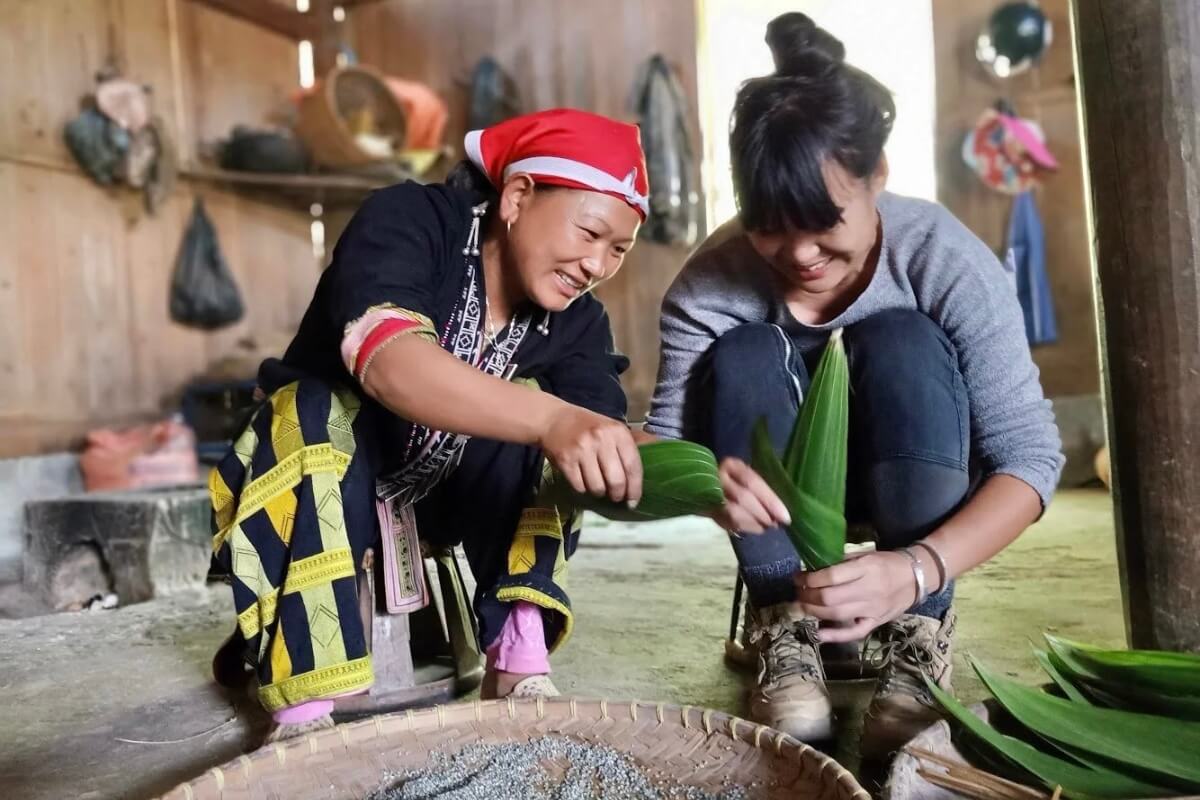
Meeting a local family can be one of the most meaningful experiences in Nam Cang Village.
Depending on the arrangement, visitors may have the opportunity to share a meal, learn about traditional household life or simply talk with residents about their community.
A homestay can make this experience even more immersive. Instead of visiting for a short period and leaving, staying overnight gives you the chance to see the village at a different pace.
After the day-trippers have gone, the valley becomes noticeably quieter. Evening meals, conversations and the sounds of the surrounding countryside can provide a very different perspective on Sapa.
Experience a Traditional Red Dao Herbal Bath
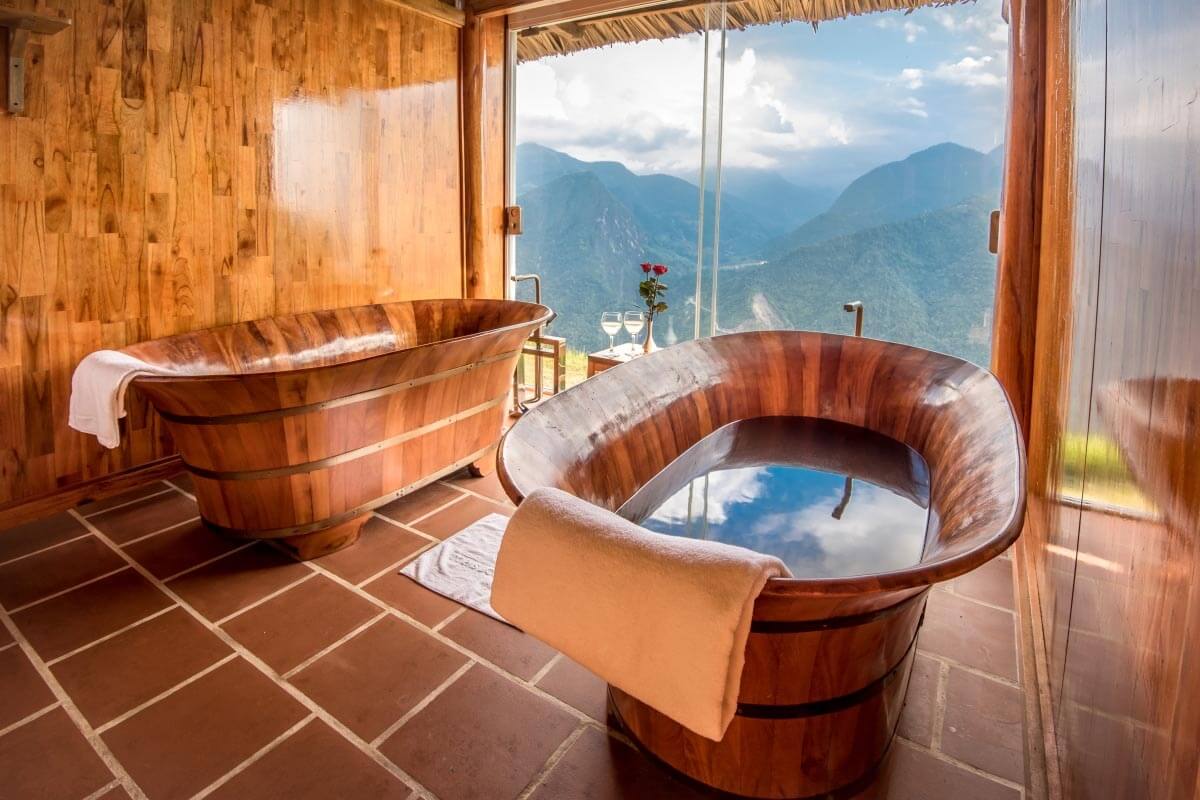
A Red Dao herbal bath is another cultural experience associated with Nam Cang.
Traditionally, Red Dao communities have used combinations of forest plants in herbal baths for generations. The practice is closely connected to local knowledge of medicinal plants and mountain environments. Vietnam Tourism notes that traditional preparations can contain numerous plant ingredients and require careful preparation before bathing.
For modern travelers, the experience can feel wonderfully restorative after trekking.
However, it is worth understanding the difference between a traditional cultural practice and a modern spa treatment. The value of the experience lies not only in relaxation but also in learning about the knowledge and traditions behind it.
Relax Beside the Mountain Streams
Nam Cang is also known for its streams and natural water environment.
The Sapa Tourism Office identifies the area as a place where visitors can enjoy stream fishing and relax beside the water, reflecting the village’s connection with its natural surroundings.
For travelers accustomed to fast-paced city life, simply sitting beside a stream can become one of the most enjoyable parts of the visit.
There is no schedule to follow and no major attraction to rush toward. The experience is about slowing down and allowing the landscape to become part of the journey.

Best Time to Visit Nam Cang Sapa
There is no single best month for everyone because Nam Cang Sapa changes significantly throughout the agricultural year.
For travelers who want to see green rice terraces, the growing season is particularly attractive. The mountains become lush and vibrant, creating the classic image of Sapa’s countryside.
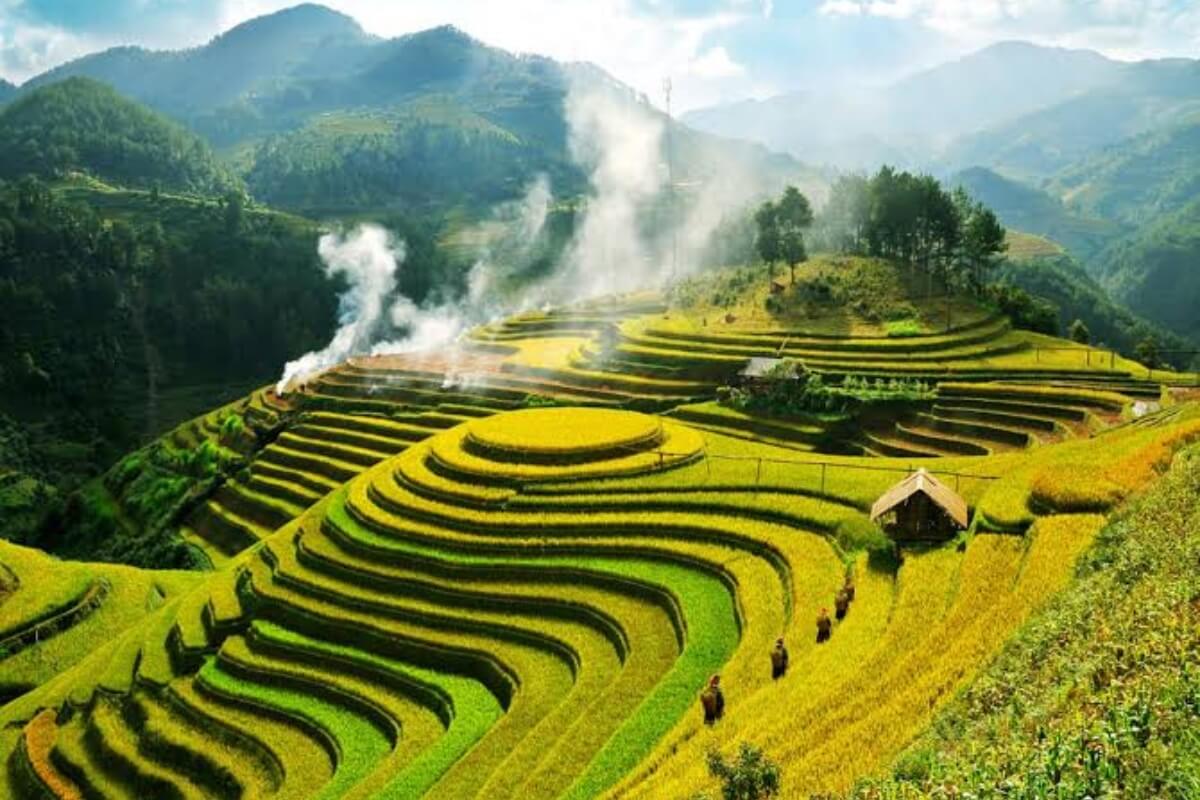
For golden rice fields, September is generally one of the most attractive periods, although the exact timing varies according to weather and farming conditions. Official tourism information notes that the golden season in Sapa’s villages can be relatively short, sometimes lasting only a few weeks.
The period around April to June can offer another distinctive landscape, when water is introduced into rice terraces and the paddies may reflect the sky and surrounding mountains.
Summer can bring lush vegetation but also heavier rainfall. Mountain roads and trekking paths may become slippery, so travelers should allow flexibility in their plans.
Autumn is particularly appealing for photographers and travelers interested in rice harvest landscapes. Cooler temperatures also make walking more comfortable.
Winter brings a different atmosphere. Sapa can become cold, misty and atmospheric, although conditions are less predictable. If you are visiting primarily for trekking and rice terraces, check the local weather forecast before traveling.
The most important point is that the landscape is agricultural, not decorative. The fields follow the rhythm of farming, so the exact scenery depends on the season.
How to Get to Nam Cang Village from Sapa
Nam Cang is located well beyond central Sapa, which is part of its appeal.
Current local travel information places the village at approximately 30 km from Sapa and around 1.5 hours by road, while official Vietnamese tourism information has described the distance from central Sapa as approximately 36 km. The exact journey time and distance can vary according to the route, road conditions and starting point.
For international travelers, a private car or organized tour is generally the most comfortable option, particularly if you are traveling with luggage or prefer not to navigate mountain roads yourself.
A motorbike can offer more independence, but the mountain roads require confidence and appropriate riding experience. Rain can make roads and smaller paths more difficult.
Another option is to combine Nam Cang with a trekking itinerary. Experienced trekkers may use longer routes connecting different villages, but these should be planned carefully with a local guide because terrain and weather can change quickly.
If your priority is comfort, safety and efficient use of time, arranging private transportation with an experienced local tour operator is usually the most practical choice.
Can You Visit Nam Cang as a Day Trip?
Yes, it is possible to visit Nam Cang Village on a day trip from Sapa, but the experience can feel rushed if you want to combine transportation, trekking and cultural activities.
The journey itself takes time because the village is relatively remote. A day trip works best when the itinerary is carefully planned around one or two meaningful experiences rather than attempting to see everything.
For example, you might travel from Sapa in the morning, explore the village with a local guide, walk through the surrounding rice terraces, enjoy lunch with a local family and return to Sapa in the afternoon.
However, if you have more time, staying overnight is arguably more rewarding.
The remote location means that Nam Cang becomes particularly peaceful in the evening. Local accommodation ranges from family-run homestays to more comfortable eco-lodge-style properties, giving travelers different ways to experience the valley.
For couples, mature travelers and guests who prefer a slower pace, an overnight stay can be a particularly appealing option.
Where to Stay in Nam Cang
Accommodation in Nam Cang is generally focused on homestays and small-scale eco-friendly properties rather than large international-style hotels.
This is important to understand before visiting. The appeal of staying here is not five-star hotel infrastructure; it is the opportunity to sleep in a quiet mountain environment and experience local hospitality.
For travelers accustomed to upscale accommodation, one practical approach is to combine the two experiences: stay in a high-quality hotel in Sapa and make Nam Cang a carefully organized day trip, or choose a well-reviewed eco-lodge for one night before returning to Sapa.
Topas Riverside Lodge is one example associated with the area. Vietnam Tourism highlights it as a wooden lodge located above a stream in a Red Dao village and specifically recommends it for travelers interested in experiencing local ethnic culture.
Whichever accommodation you choose, expectations should be based on location and experience rather than conventional luxury-hotel standards.
Nam Cang Village vs. Other Sapa Villages
Sapa has many villages worth visiting, including Ta Van, Lao Chai, Ta Phin and others. Each offers a slightly different experience.
Ta Van is relatively well known among international visitors and has a developed homestay scene. Lao Chai is closely associated with spectacular mountain and rice-terrace scenery. Ta Phin is particularly interesting for travelers interested in Red Dao culture and traditional herbal baths.
Nam Cang Village, however, stands out because of its remoteness.
The further journey is precisely what makes the destination attractive to travelers who want to escape the busier areas of Sapa. Rather than choosing Nam Cang because it has the largest number of attractions, choose it because you want fewer distractions.
If your travel style is slow, culturally curious and nature-focused, Nam Cang can be one of the most rewarding additions to a Sapa itinerary.
Frequently Asked Questions About Nam Cang Village
What to Bring for a Nam Cang Trip
Packing for Nam Cang depends on the season and the activities you plan to do.
Comfortable walking shoes are essential if you intend to trek. During rainy periods, waterproof footwear or appropriate protection can make a significant difference because mountain paths can become muddy.
Light layers are useful because temperatures can change throughout the day. A lightweight waterproof jacket is also advisable, particularly during wetter months.
If you are staying overnight, bring basic personal items and any medication you require. Travelers staying in smaller homestays or eco-lodges should not expect the same facilities as a city hotel.
A reusable water bottle is also a good choice. It reduces unnecessary plastic waste and is practical during longer walks.
For photographers, early mornings and late afternoons can provide beautiful light across the terraces, while mist and clouds can create a more atmospheric mood in the mountains.
Where is Nam Cang Village?
Nam Cang Village is located in the mountainous Sapa area of Lao Cai in northern Vietnam. It lies roughly 30–36 km from central Sapa, depending on the route and reference point.
What is Nam Cang Village famous for?
Nam Cang is best known for its peaceful mountain scenery, terraced rice fields, Red Dao culture, traditional village life, streams and trekking opportunities. It is also associated with traditional Red Dao herbal baths.
Is Nam Cang Sapa worth visiting?
Yes, especially for travelers who prefer authentic cultural experiences, peaceful landscapes and less-visited destinations. Its remote location makes it particularly appealing as an alternative to some of Sapa’s busier villages.
How far is Nam Cang from Sapa?
Nam Cang is approximately 30–36 km from Sapa, depending on the route. By road, the journey generally takes around 1.5 hours, although weather and road conditions can affect travel time.
What ethnic group lives in Nam Cang?
Nam Cang is particularly associated with the Red Dao community. The Red Dao are one of the major ethnic communities in the Sapa region and have distinctive traditions, clothing and knowledge of local medicinal plants.
Can I visit Nam Cang on a day trip from Sapa?
Yes. A day trip is possible, although the journey and activities should be planned carefully. If you have enough time, staying overnight can provide a more relaxed experience and allow you to enjoy the village after most day visitors have left.
Is Nam Cang suitable for older travelers?
Yes, provided the itinerary is adapted to your fitness level. You do not need to undertake a demanding trek to enjoy the village. Private transportation, gentle walks and cultural experiences can make Nam Cang suitable for mature travelers who prefer comfort without sacrificing authentic experiences.