
Hanoi Travel Blog - Hanoi Introduction & Information
Decoding the Imperial Citadel of Thang Long Night Tour Updated 2026 – 2027
26
Mar
Mar
The Imperial Citadel of Thang Long is one of the most fascinating historical landmarks in Hanoi, offering visitors a chance to look beyond the modern capital and discover the layers of Vietnamese history that have shaped the city for more than a thousand years.
Located at 19C Hoang Dieu in Ba Dinh, Hanoi, the Imperial Citadel is closely connected with the history of Thang Long, the ancient name of Hanoi. Its story dates back to 1010, when King Ly Thai To decided to move the capital from Hoa Lu to Dai La and established Thang Long as the political centre of Dai Viet.
UNESCO inscribed the Central Sector of the Imperial Citadel of Thang Long – Hanoi on the World Heritage List in 2010. UNESCO describes the site as a place that served as a centre of regional political power for almost thirteen centuries, with archaeological remains demonstrating the continuity of different cultures and political periods.
For international travelers interested in Vietnamese culture, architecture and history, an Imperial Citadel of Thang Long Night Tour can therefore be much more than an evening sightseeing activity. It is an opportunity to understand Hanoi through the stories, objects and spaces that have survived across generations.
During the 90-minute night tour to explore the Imperial Citadel of Thang Long, Hanoi, you will admire the unique architectural space, experience ancient royal activities and observe thousand-year-old antiques with your own eyes. Although the 90-minute trip is not long, you will definitely have the most new and unique experiences in your hanoi tours
What Is the Imperial Citadel of Thang Long?
The Imperial Citadel of Thang Long was the political and administrative heart of Hanoi for centuries. Its importance comes not only from the monuments that can still be seen today, but also from the archaeological layers preserved beneath the modern landscape.
The citadel was established as the capital of Dai Viet in 1010 under King Ly Thai To. The decision to move the capital from Hoa Lu to Dai La marked an important moment in Vietnamese history. From this point, Thang Long developed into a major political, cultural and architectural centre.
However, the history of the site extends even further back. According to UNESCO, the citadel was constructed on the remains of a Chinese fortress dating from the 7th century. The archaeological evidence therefore provides an unusually long historical sequence, showing how different societies, political authorities and architectural traditions developed in the same area over many centuries.
This continuity is one of the reasons the Imperial Citadel of Thang Long is so significant. Visitors are not looking at a single monument built during one particular period. Instead, they are experiencing a historical landscape in which different layers of Hanoi’s past overlap.
The central sector includes important structures and archaeological areas such as Doan Mon, Kinh Thien Palace and the archaeological site at 18 Hoang Dieu. The site reflects cultural influences from different parts of Asia, particularly the interaction between influences from China to the north and the ancient Kingdom of Champa to the south.
Today, the Imperial Citadel remains one of the most important heritage destinations in Hanoi and one of the places where visitors can explore the capital’s history in a particularly concentrated way.
Why Experience the Imperial Citadel of Thang Long at Night?
A daytime visit to the Imperial Citadel of Thang Long allows travelers to explore the monuments and archaeological remains at their own pace. A night tour creates a different experience by placing greater emphasis on atmosphere, storytelling and cultural interpretation.
As the sun goes down, the historical architecture becomes quieter and the experience feels more intimate. Rather than viewing the citadel simply as an archaeological site, visitors are guided through a sequence of activities designed to help them imagine how the royal centre once functioned.
The Imperial Citadel of Thang Long Night Tour described in this article lasts approximately 90 minutes. Although the journey is relatively short, it brings together several different aspects of the heritage site.
Visitors can walk through Doan Mon, watch a recreation of a royal court ceremony, explore an exhibition of archaeological artifacts, participate in an incense-offering ceremony, visit the ancient King’s Well and take part in an interactive artifact-decoding activity using laser projection technology.
For travelers who have already explored Hanoi’s Old Quarter, Hoan Kiem Lake and its traditional streets, this evening experience offers a different perspective on the city.
It shifts the focus from everyday Hanoi to the capital’s royal and archaeological past.
Experience a Night Tour to Explore Imperial Citadel of Thang Long
The Imperial Citadel of Thang Long Night Tour officially begins at around 7:00 PM according to the itinerary described here.
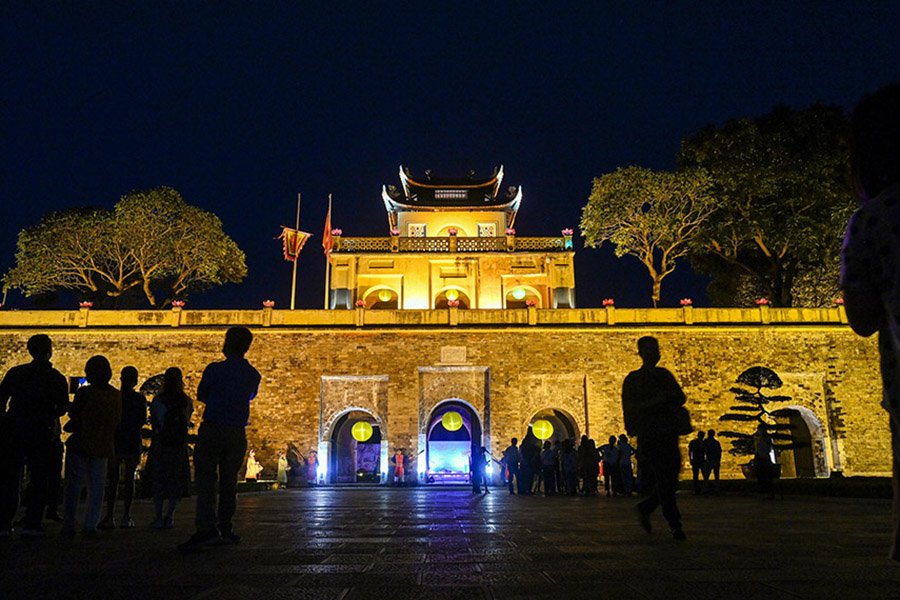
The journey starts at Doan Mon, one of the most recognizable surviving gates within the citadel complex.
From this point, visitors begin a historical journey that combines architecture, performance, archaeology and cultural traditions.
1. Start the Journey at Doan Mon Gate
Doan Mon is one of the important surviving structures within the Imperial Citadel of Thang Long. Historically, it served as a major entrance toward the central royal area.
The gate is particularly interesting because the central passage was traditionally associated with the emperor. During the night tour, visitors have the opportunity to walk through this historic space and begin to imagine the ceremonial character of the imperial court.
For international visitors, the experience is enhanced by the presence of guides and performers who help explain the meaning of the architecture and the rituals associated with the royal court.
Rather than simply photographing an old gate, visitors can understand why access, movement and ceremonial routes were so important in an imperial capital.
As you enter Doan Mon, talented actors recreate elements of the King’s Court Ceremony, accompanied by the traditional “Thang Long Royal Court” dance.
The performance provides an engaging introduction to the history of the citadel, especially for visitors who may not already be familiar with Vietnam’s dynastic history.
2. Experience a Recreation of the Royal Court Ceremony
One of the memorable elements of the Imperial Citadel of Thang Long Night Tour is the recreation of a traditional royal ceremony.
The performance brings together costumes, movement, and ceremonial traditions to create a visual impression of how court life may have looked in the past.
For international travelers, this part of the journey is particularly useful because Vietnamese imperial history can otherwise feel abstract when presented only through dates and archaeological terminology.
Seeing performers recreate elements of court culture makes the history easier to understand.
It also gives visitors an opportunity to appreciate the importance of ritual in the traditional Vietnamese royal court.
The experience is not intended to replace historical research or archaeological evidence. Instead, it provides a cultural interpretation that helps visitors connect the physical heritage site with the traditions that once surrounded it.
3. Discover “Thousand Years of Thang Long – Hanoi from Underground”
After leaving Doan Mon, the night tour continues to a gallery featuring the main theme “Thousand Years of Thang Long – Hanoi from Underground.”
This section introduces visitors to the archaeological side of the Imperial Citadel of Thang Long.
The archaeological discoveries are particularly important because much of the site’s history survives beneath the ground. Excavations have revealed architectural materials, ceramics and other artifacts connected with different historical periods.
UNESCO highlights the Imperial Citadel’s archaeological layers as important evidence of its long continuity as a centre of power. The archaeological record is one of the defining characteristics of the World Heritage property.
During the tour, visitors can observe ancient artifacts associated with different feudal dynasties in Vietnam.
Rather than simply viewing objects behind glass, visitors learn the historical context behind them. The tour guide explains the artifacts and connects individual discoveries with the broader story of Thang Long and Hanoi.
This makes the exhibition particularly valuable for travelers interested in archaeology, traditional ceramics and the development of Vietnamese royal culture.
The ceramics are also fascinating because they provide clues about daily life, craftsmanship, trade and the organization of the royal centre.
For travelers who enjoy cultural tourism, this section can be one of the most intellectually rewarding parts of the evening.
4. Visit Kinh Thien Palace and Experience the Incense Offering Ceremony
After exploring the gallery, the Imperial Citadel of Thang Long Night Tour continues toward the area of Kinh Thien Palace.
Kinh Thien was historically associated with important royal ceremonies. Today, the surviving archaeological and architectural remains help visitors understand the significance of this part of the imperial complex.
At the palace steps, visitors can participate in an incense offering ceremony and express gratitude to the historical figures and emperors associated with the development and protection of Thang Long.
The ceremony provides a quieter moment within the tour.
After the performances and archaeological exhibition, visitors have an opportunity to pause and reflect on the long history represented by the site.
In Vietnamese culture, respect for ancestors and previous generations remains an important part of traditional life. The incense offering therefore provides an opportunity for international visitors to encounter an aspect of Vietnamese cultural practice that may not be immediately visible during a conventional city sightseeing tour.
In front of Kinh Thien Palace, visitors can also listen attentively to the eulogy “Dang Van”, adding another cultural dimension to the experience.
5. Explore the Archaeological Relics Behind the National Assembly Building
The next stage of the Imperial Citadel of Thang Long Night Tour takes visitors to the archaeological relic site located behind the National Assembly building.
This area provides another perspective on the enormous archaeological significance of the citadel.
One of the highlights is the ancient Tran Dynasty well, commonly known as King’s Well, believed to have been formed around the 13th–14th centuries.
During archaeological excavation, researchers discovered ceramics and architectural materials associated with the Tran Dynasty within the well.
For visitors, the well is more than an old water source. It represents an everyday element of life within the former imperial centre.
Water was essential to palace life, and archaeological evidence from wells can help researchers understand how historical communities lived, built and organized their spaces.
The presence of such remains also demonstrates why archaeological conservation is so important at the Imperial Citadel of Thang Long.
The visible monuments are only part of the story. Beneath and around them are archaeological layers containing evidence of earlier periods.
6. Experience the King’s Well
One of the more unusual activities included in the itinerary is the opportunity to collect water from the ancient well.
Visitors are given a small glass bottle to collect clean, treated well water.
According to the tour experience described here, the water is presented as a symbolic connection with the past, recalling the period when the well was associated with the royal centre.
This activity adds a sensory element to the tour. Instead of only looking at archaeological remains, visitors are able to participate in a small ritual connected with the site’s history.
For international travelers, experiences like this can make a heritage visit more memorable because they create a personal connection with the destination.
Of course, the well itself should be treated with respect as part of a protected historical and archaeological site.
7. Decode Ancient Artifacts Through Laser Projection Technology
The final stage of the Imperial Citadel of Thang Long Night Tour introduces a more modern approach to historical interpretation.
After collecting water from the well, visitors begin an artifact-decoding activity.
The organizing team provides clues and uses laser projection technology above the archaeological remains to help visitors interpret the artifacts and understand their historical context.
This combination of ancient archaeological material and modern visual technology creates an engaging contrast.
The artifacts may be hundreds or thousands of years old, while the interpretation uses contemporary technology to make their stories accessible to modern visitors.
The decoding activity is also interactive. Instead of simply listening to a guide, visitors are encouraged to observe carefully, connect clues and use what they have learned during the tour.
Those who successfully decode the information can receive gifts from the organizers.
The activity is particularly suitable for travelers who enjoy experiences that combine education and entertainment.
8. End the Night With Vietnamese Tea and Lotus Jam
After completing the decoding activity, visitors sit together and enjoy a cup of fragrant tea accompanied by lotus jam.
This quiet ending provides a pleasant contrast to the more active parts of the Imperial Citadel of Thang Long Night Tour.
Tea has an important place in Vietnamese social and cultural traditions. Sharing tea creates a relaxed environment where visitors can talk about the experience, ask questions and reflect on what they have discovered.
For international travelers, this final moment can be just as memorable as the archaeological discoveries because it introduces a simple aspect of Vietnamese hospitality.
Rather than ending immediately after the final attraction, the experience closes with conversation, tea and reflection.
What Makes the Imperial Citadel of Thang Long Special?
The importance of the Imperial Citadel of Thang Long lies in the extraordinary length and continuity of its history.
UNESCO recognizes the site as a place where different archaeological layers and monuments demonstrate the long continuity of Thang Long as a centre of political power. The property reflects nearly thirteen centuries of history and cultural exchange.
The site is also significant because its history does not belong to only one dynasty. The remains reveal different periods of Vietnamese history, from early political centres through successive dynasties and later historical transformations.
This makes the Imperial Citadel of Thang Long different from a conventional monument built during a single historical period.
The archaeological remains at 18 Hoang Dieu are particularly valuable because they reveal layers of structures and materials that help researchers reconstruct earlier periods of Thang Long.
UNESCO has emphasized the importance of continued archaeological research, conservation and presentation of the site. Recent World Heritage decisions have also highlighted ongoing work relating to the archaeological strategy, conservation and the future presentation of the central axis.
This continuing research means that the story of Thang Long is not completely finished. New discoveries and interpretations can continue to add detail to our understanding of Hanoi’s past.
How Long Does the Imperial Citadel of Thang Long Night Tour Take?
The Imperial Citadel of Thang Long Night Tour described in this itinerary lasts approximately 90 minutes.
Although 90 minutes may seem short compared with a full-day sightseeing program, the experience covers several different areas and activities.
The itinerary includes Doan Mon, the royal court performance, the archaeological gallery, Kinh Thien Palace, the incense offering ceremony, the archaeological relic area, King’s Well and the artifact-decoding activity.
Because of the number of activities included, visitors can experience several different aspects of the site within a relatively compact evening schedule.
Travelers should nevertheless check the latest official operating schedule, ticket conditions and availability before visiting, as cultural programs and special evening experiences can change.
Best Time to Experience the Imperial Citadel of Thang Long at Night
One of the main advantages of visiting the Imperial Citadel of Thang Long in the evening is the atmosphere.
Hanoi can be busy during the day, particularly around major tourist attractions. At night, the citadel provides a quieter cultural environment where visitors can focus more closely on the architecture, performances and historical storytelling.
The evening setting also makes the experience visually distinctive.
The illuminated architecture creates opportunities for photography, particularly around Doan Mon and other important structures.
If photography is important to you, bringing a camera or smartphone is recommended.
At the same time, visitors should remember that the Imperial Citadel is a protected heritage site. Photography should not interfere with performances, other visitors or conservation requirements.
Important Notes for Visiting the Imperial Citadel of Thang Long Night Tour
Based on the travel experience described in this article, visitors should bring a camera to capture the atmosphere of the citadel at night.
It is also advisable to wear comfortable clothing and shoes because the experience involves walking between different areas of the heritage complex.
While observing ancient artifacts, visitors should not touch objects unless specifically invited to do so by staff. Archaeological artifacts are fragile and require careful conservation.
The same principle applies to the architectural remains and archaeological areas. Visitors should follow instructions from guides and site staff throughout the experience.
If you are planning your Hanoi itinerary in advance, check the latest information about the Imperial Citadel of Thang Long Night Tour, including the operating schedule, ticket availability and any special programs. Prices and arrangements may vary depending on the event or occasion.
For international visitors, it is also useful to allow enough time before the tour to travel to the site without rushing. The Imperial Citadel is located in Ba Dinh, close to several other important historical attractions in central Hanoi.
Some Images of Imperial Citadel of Thang Long Night Tour

Through many ups and downs of history, Imperial Citadel of Thang Long is still an extremely majestic and magnificent architectural work
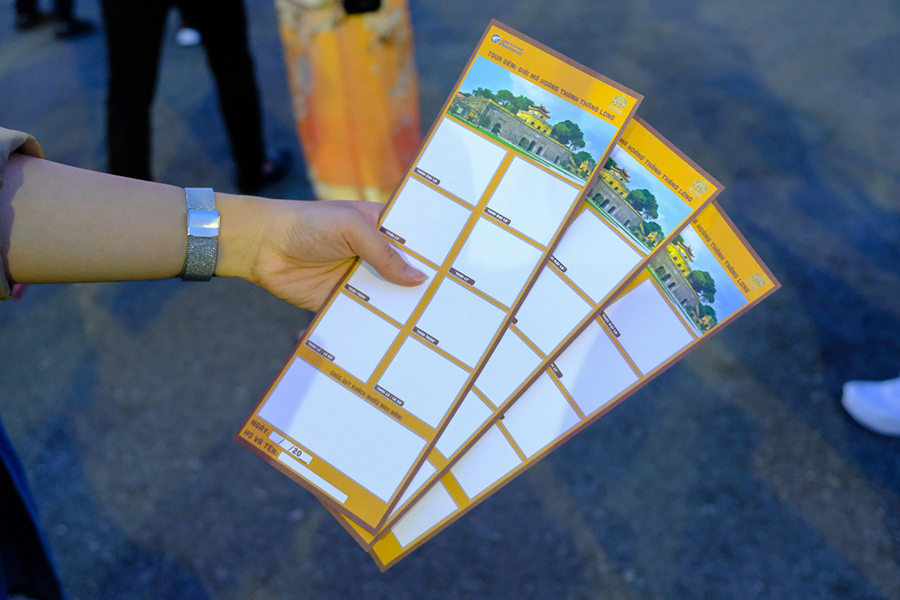
Before starting the night tour to explore the Imperial Citadel of Thang Long, Hanoi, you will be given a ticket to decode at the end of the journey.
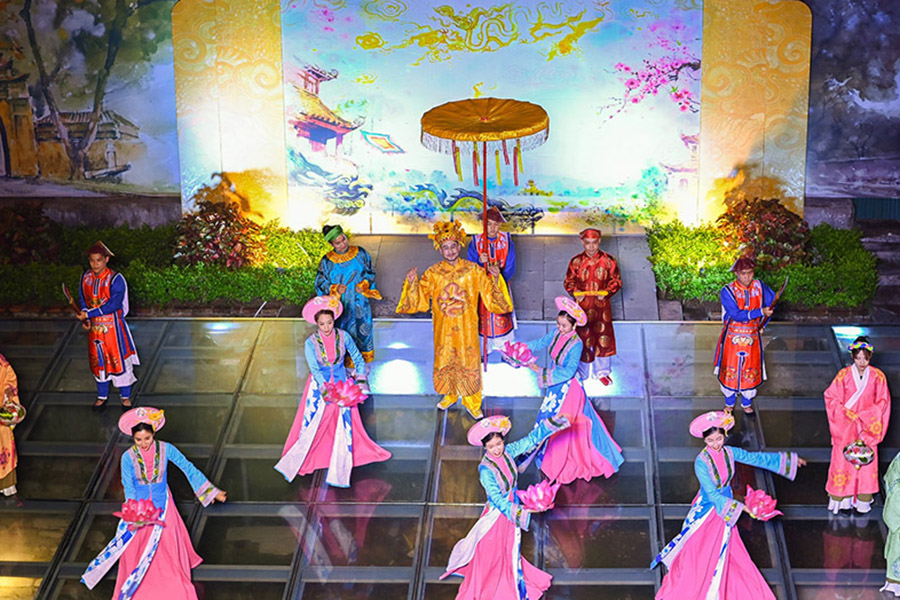
The show recreates the King’s Court Ceremony
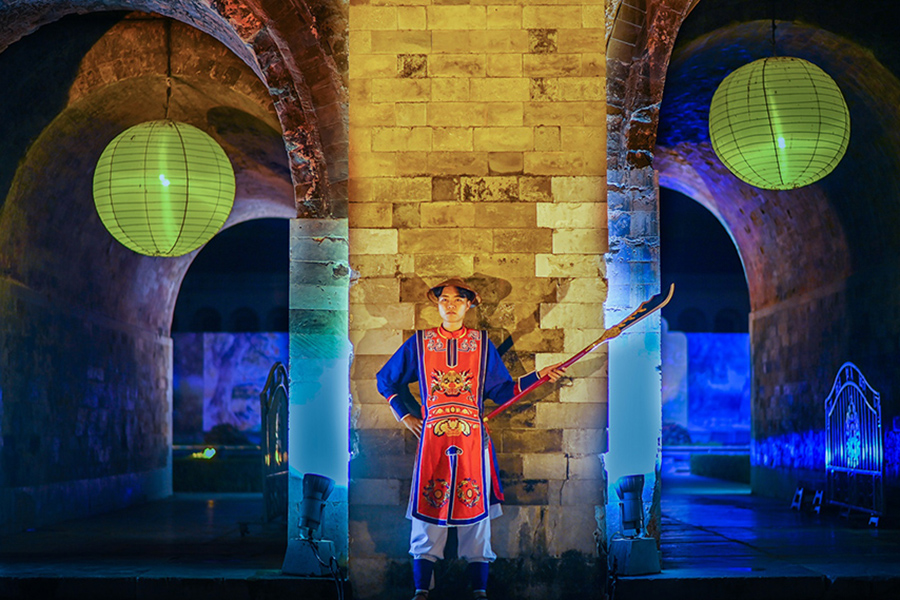
Staff at Doan Mon relic wear guard uniforms and guide people through the experience
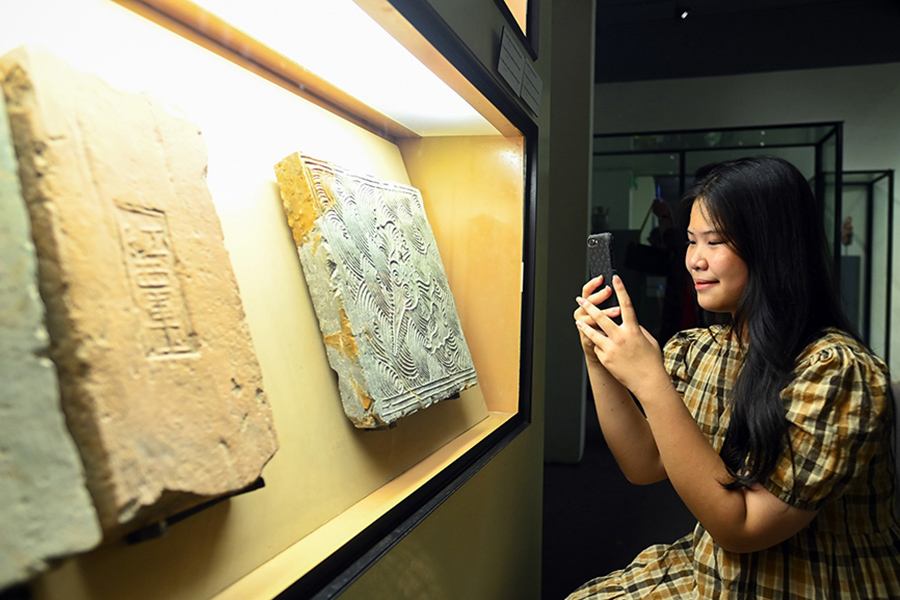
Observe ancient artifacts dating back thousands of years in the gallery.
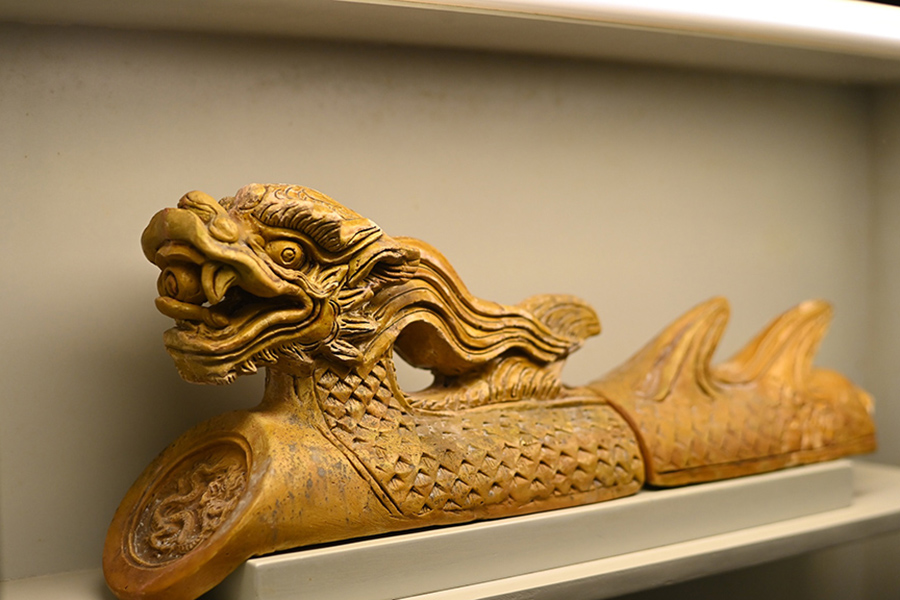
Night tour to explore the Imperial Citadel of Thang Long, Hanoi will bring you closer to history through artifacts associated with feudal dynasties in our country.
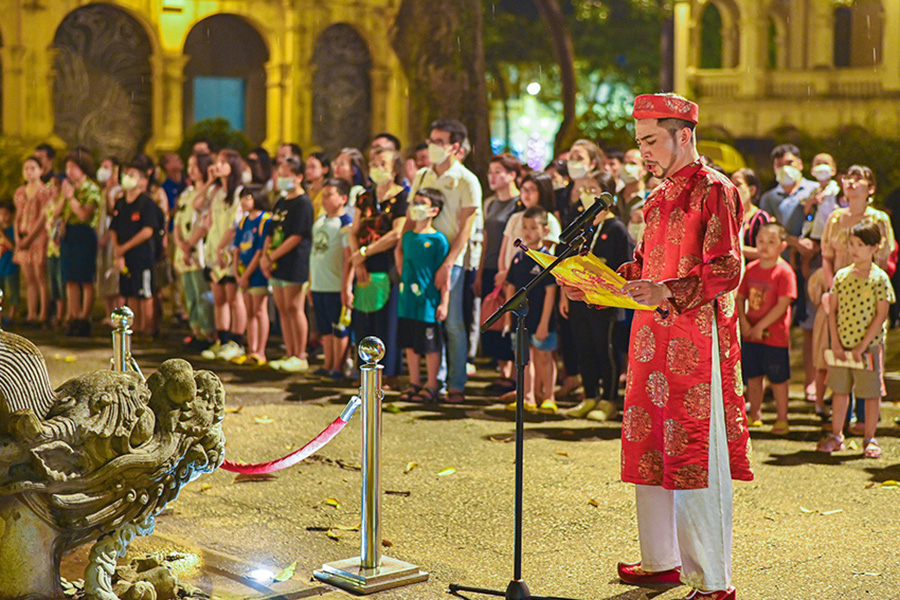
In front of Kinh Thien Palace, everyone attentively listened to the eulogy “Dang Van”
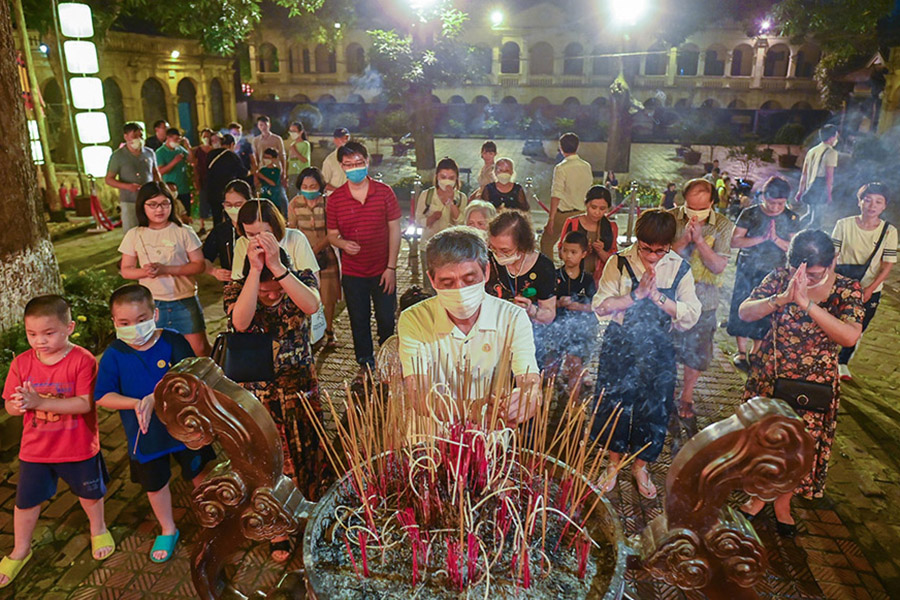
Incense offering ceremony to express gratitude to the ancestors
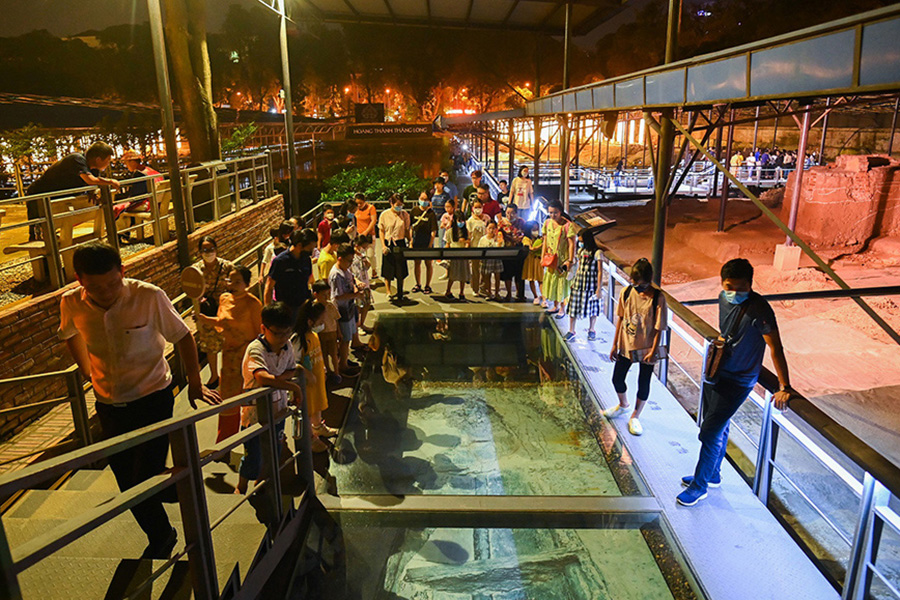
Visit the archaeological relics located behind the National Assembly building
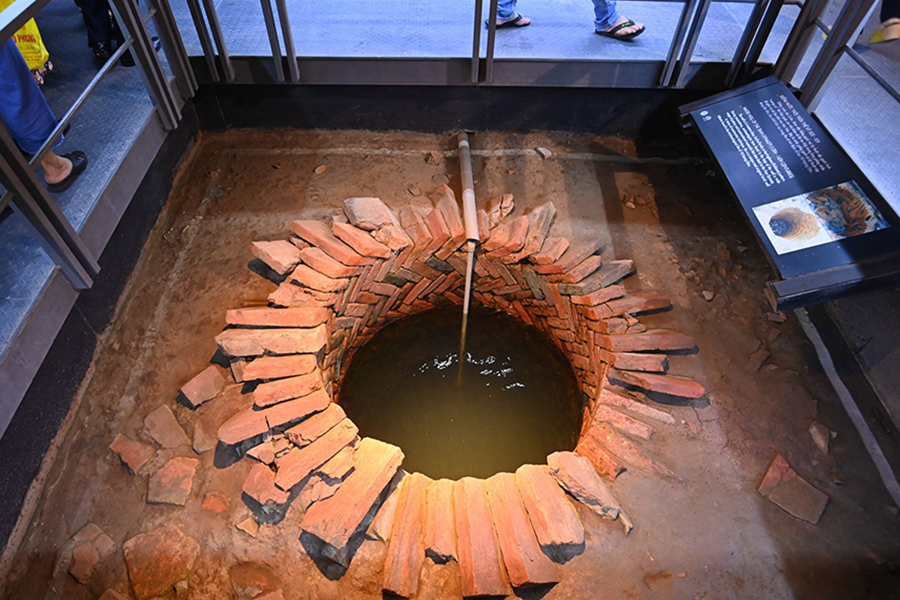
King’s Well – Sacred symbol of Imperial Citadel of Thang Long
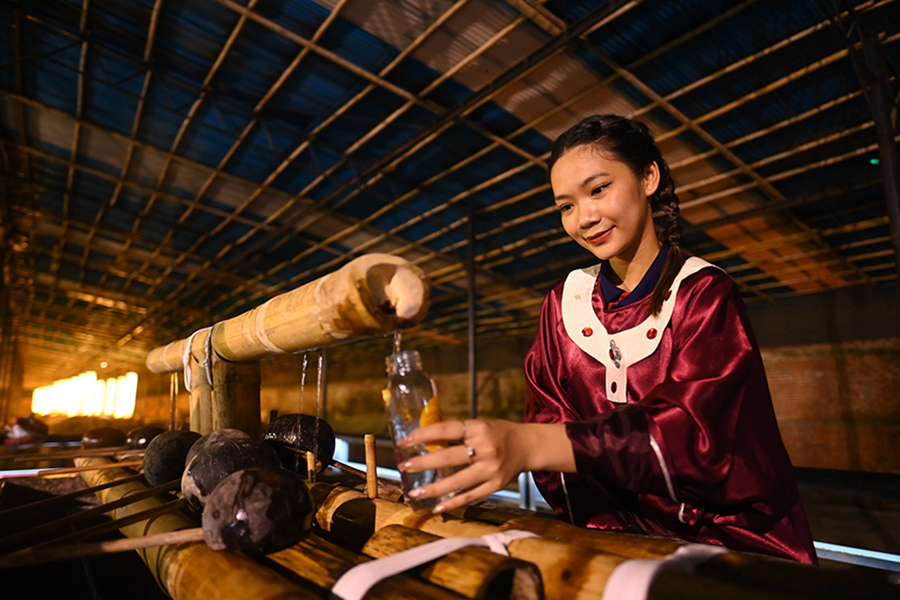
You will be given a small glass bottle to collect clean, treated well water
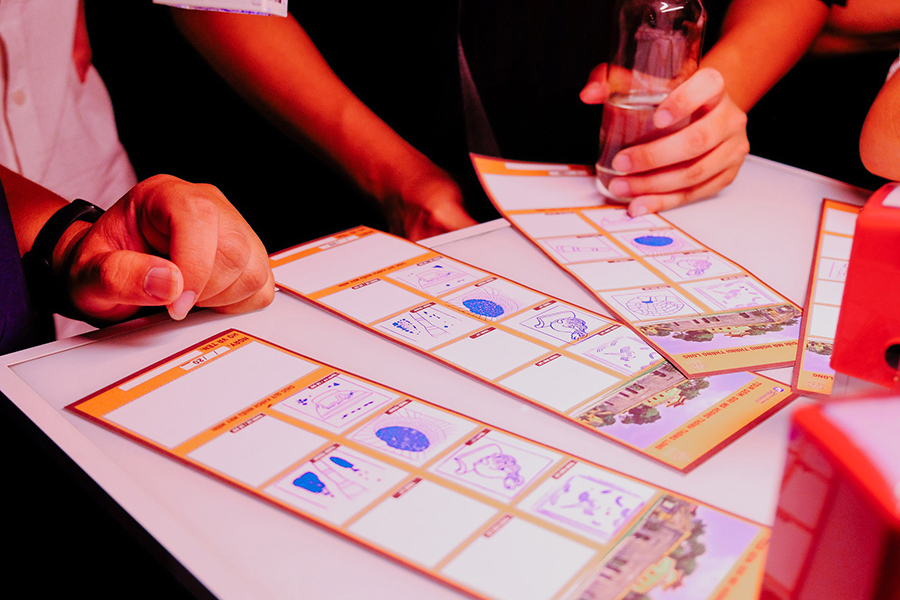
Ending the night tour to explore Imperial Citadel of Thang Long is an extremely interesting decoding activity
Above, the Hanoi Local Tour has shared with you the attractions of the night tour to explore the Imperial Citadel of Thang Long, Hanoi – A unique trip to find the heroic history of the nation. What are you waiting for? Grab your backpack and go on this exciting journey of experience right away!